
The Science of Gut Microbiome Aging
Your gut microbiome—the trillions of bacteria residing in your digestive tract—plays a pivotal role in how you age. Research increasingly links a balanced gut microbiome to reduced inflammation, stronger immune function, and slower biological aging. This connection between gut microbiome aging and longevity is a growing field, with studies showing that age-related shifts in gut bacteria can accelerate chronic disease.
As we get older, our microbiome naturally changes. Beneficial bacteria like Bifidobacteria decrease, while pro-inflammatory species increase.
This dysbiosis can trigger systemic inflammation, a key driver of aging. By supporting your gut health, you may help slow this process and promote healthier years ahead.
Understanding the dynamics of gut microbiome aging is essential for developing interventions. Recent research highlights specific dietary and lifestyle factors that can modulate this process.
Key Strategies to Support a Healthy Gut
Eat a Diverse Range of Fiber-Rich Foods
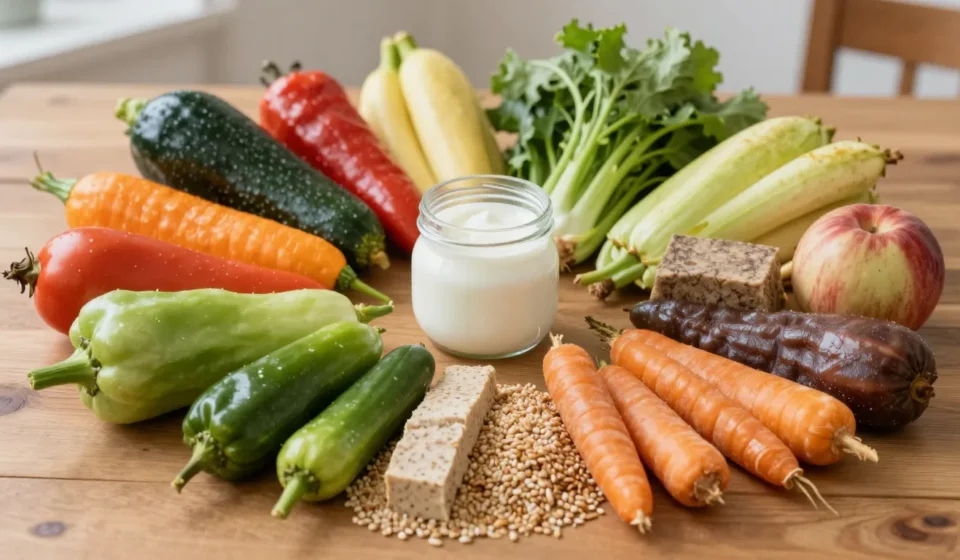
Dietary fiber feeds beneficial gut bacteria, promoting diversity. Aim for at least 30 different plant foods per week—fruits, vegetables, whole grains, legumes, nuts, and seeds.
Each type of fiber nourishes different microbial species, enhancing resilience.
Studies show that high-fiber diets reduce inflammation and improve immune markers. This diversity directly counteracts gut microbiome aging, as seen in a 2019 Nature study correlating fiber intake with healthier aging.
Incorporate Fermented Foods
Fermented foods like yogurt, kefir, sauerkraut, kimchi, and kombucha contain live probiotics that can boost microbiome diversity. A recent Stanford trial demonstrated that a fermented food diet increased immune function and decreased inflammatory markers.
Regular consumption of fermented foods helps counteract gut microbiome aging by introducing beneficial bacteria. Start with small servings to allow your gut to adjust.
Limit Processed Foods and Added Sugars
Ultra-processed foods and added sugars feed harmful bacteria, promoting dysbiosis and inflammation. Reducing these can help restore balance.
Even a few days of a whole-foods diet can positively alter your microbiome composition.
This step is critical for slowing gut microbiome aging. Focus on whole, minimally processed options for most meals.
Consider Probiotic and Prebiotic Supplements
Probiotics may help replenish beneficial bacteria, especially after antibiotic use. Prebiotics—fibers that feed good bacteria—include inulin, fructooligosaccharides, and resistant starch.
Both can support gut health, but effectiveness varies by strain and individual.
Supplements can be a useful adjunct to dietary changes for supporting gut microbiome aging. Consult a healthcare professional to choose the right supplement for your needs.
Manage Stress and Sleep Quality
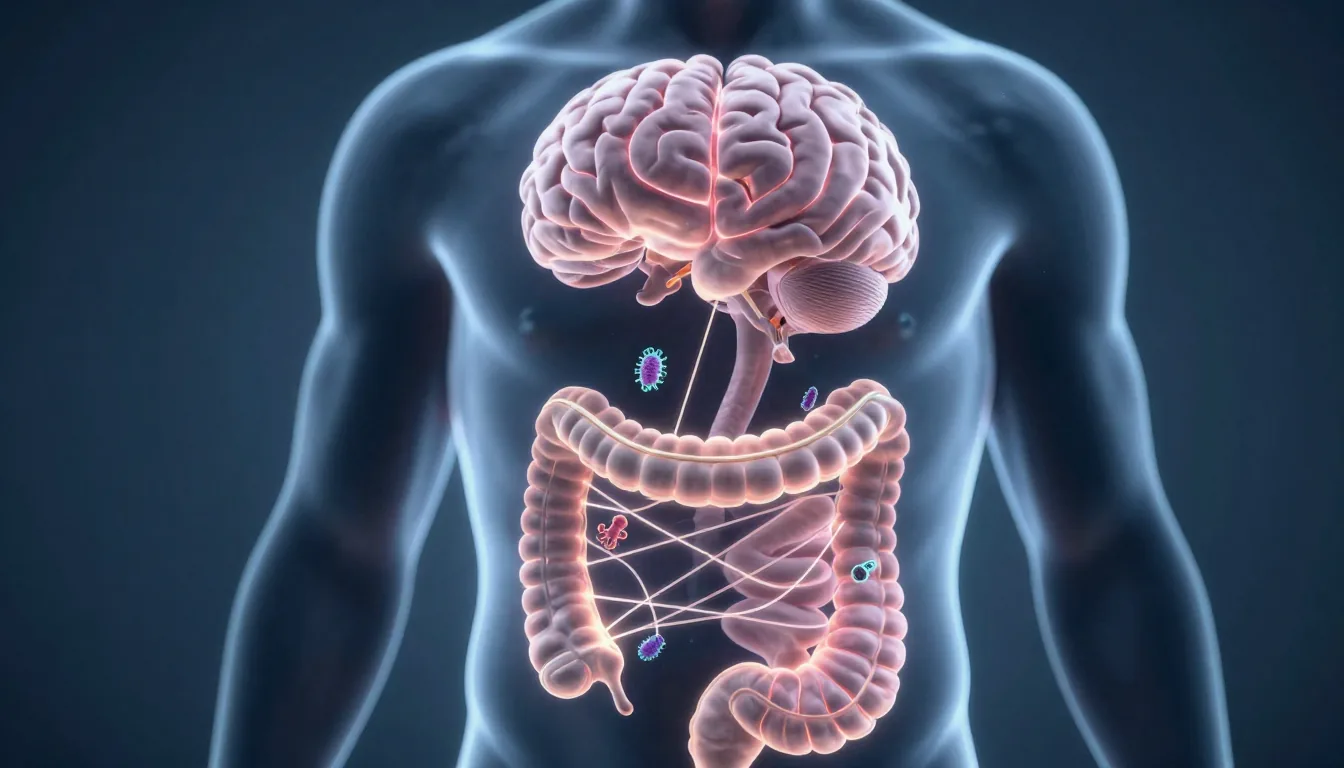
Chronic stress and poor sleep disrupt the gut-brain axis, altering microbiome composition. Practices like meditation, deep breathing, and consistent sleep schedules can positively influence gut bacteria and reduce inflammation.
Stress accelerates gut microbiome aging, so managing it is key. One study found that mindfulness therapy increased beneficial Lactobacillus species in anxious participants.
Stay Physically Active
Regular exercise increases microbiome diversity and promotes anti-inflammatory bacteria. Both aerobic and resistance training show benefits.
Aim for at least 150 minutes of moderate activity per week.
Physical activity promotes a diverse microbiome, counteracting gut microbiome aging. Even walking daily can support a healthier gut and slower aging.
Avoid Unnecessary Antibiotic Use
Antibiotics deplete both harmful and beneficial bacteria, often leading to long-term dysbiosis. Only use them when prescribed for bacterial infections, and consider taking probiotics during and after the course.
Antibiotics can disrupt gut microbiome aging; use only when necessary. Discuss probiotic timing with your doctor for optimal recovery.
The Role of Inflammation and Immune Function
A healthy gut microbiome reinforces the intestinal barrier, preventing toxins from leaking into the bloodstream—a condition called leaky gut that triggers inflammation. Beneficial bacteria produce short-chain fatty acids like butyrate, which calm immune responses and support regulatory T cells.
Inflammation is a central driver of gut microbiome aging. Butyrate has been shown to improve mitochondrial function and reduce cellular senescence.
By fostering a balanced microbiome, you help keep inflammation in check and immune defenses robust.
For deeper reading, explore these resources: Gut Microbiome and Aging Research and Harvard Health on Gut-Brain Axis.
Practical Takeaways for Longevity
- Eat a diverse, fiber-rich diet with plenty of plants.
- Include fermented foods regularly.
- Minimize processed foods and sugar.
- Manage stress and prioritize sleep.
- Exercise consistently.
- Use antibiotics wisely.
Your gut is a powerful partner in aging well. Small, consistent steps can lead to lasting benefits. For more on Health & Wellness, explore our other articles.
Always consult your healthcare provider before making significant diet or lifestyle changes, especially if you have underlying health conditions.