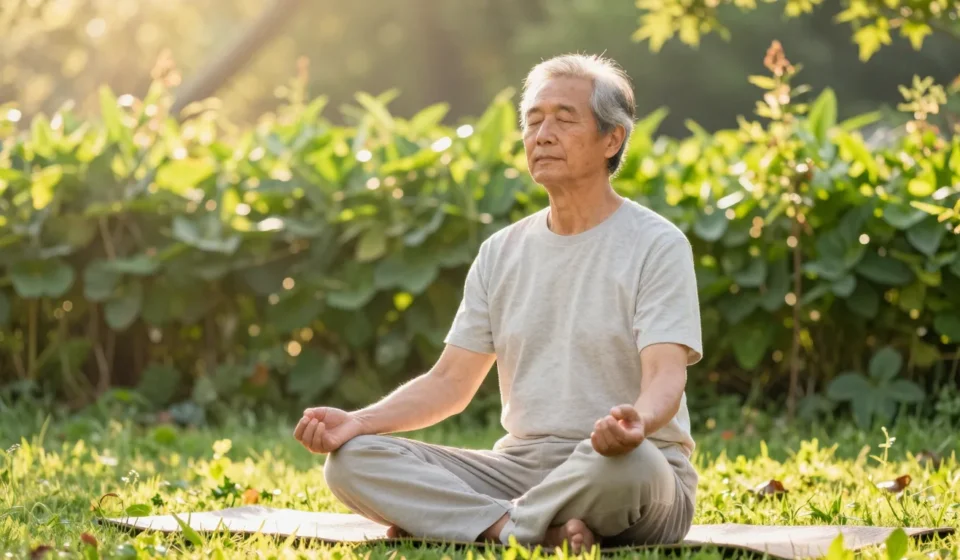

Stress is a silent killer that accelerates biological aging. Learning how to reduce stress aging is crucial for a long, healthy life. Research confirms that managing stress can slow cellular decline and improve vitality.
Why Reduce Stress Aging Matters
Chronic stress accelerates aging through cortisol dysregulation, inflammation, and telomere shortening. Understanding how to reduce stress aging is essential for preserving cellular health. A study in Translational Psychiatry links high cortisol to shorter telomeres—a hallmark of aging.
Elevated cortisol also impairs immune function and increases oxidative stress. Learning to reduce stress aging can add years to your life.
Reducing stress is a powerful anti-aging strategy.
1. Mindfulness Meditation
Daily mindfulness meditation lowers cortisol by 15–20%, according to a 2017 meta-analysis in Health Psychology Review. Just 10 minutes per day can improve stress resilience. Try a guided app or focus on your breath each morning.
For older adults, meditation decreases loneliness and inflammation markers. A 2020 study found that mindfulness-based stress reduction (MBSR) increased telomere length in caregivers.
Start small—even two minutes counts; consistency matters more than duration.
Regular practice also reduces sympathetic nervous system activity, promoting relaxation. This helps counter the fight-or-flight response that drives aging.
Even short sessions yield cumulative benefits.
2. Nature Exposure (Forest Bathing)
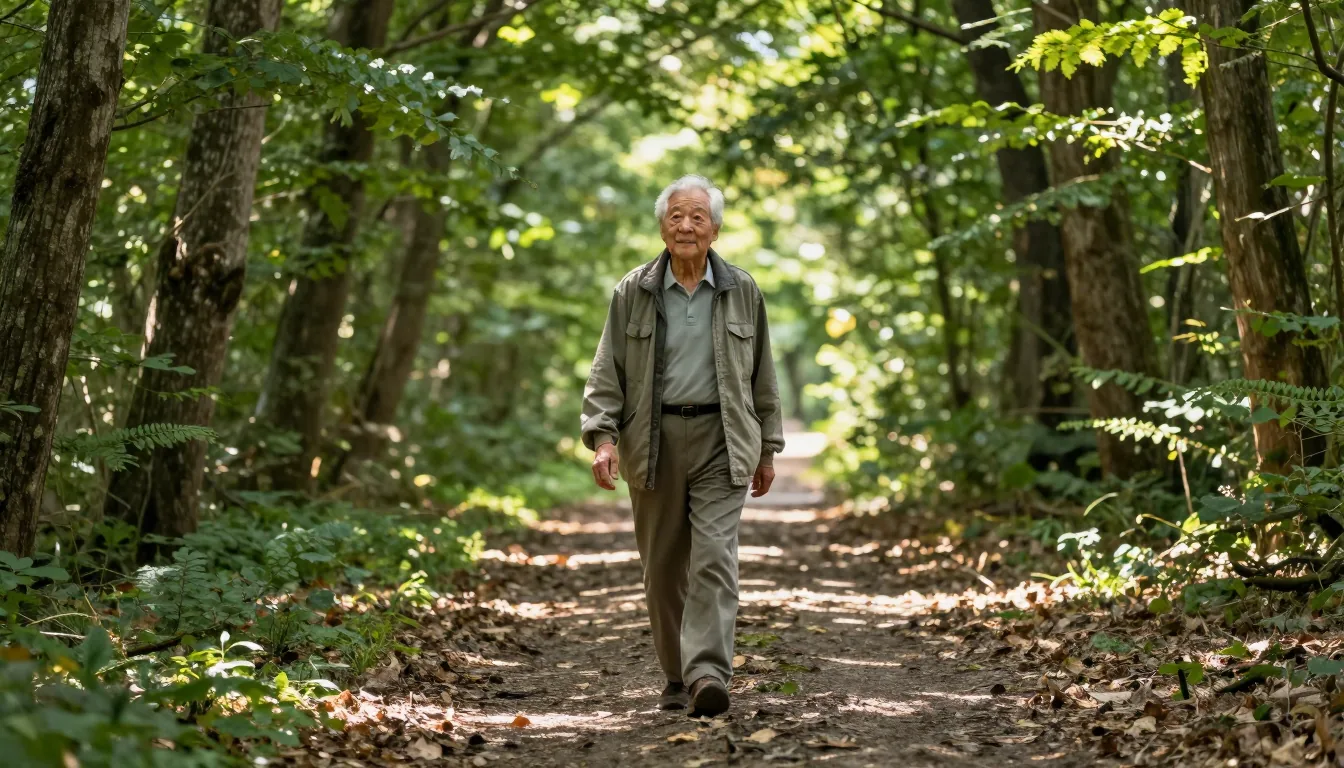
Spending 20 minutes in a green setting reduces cortisol significantly. A 2019 study in Frontiers in Psychology found that forest bathing lowers blood pressure and heart rate. This practice, known as shinrin-yoku, originated in Japan.
Nature exposure also boosts mood and cognitive function. Even viewing nature scenes through a window can lower stress hormones.
Forest bathing is a delightful way to reduce stress aging.
Phytoncides—wood essential oils—may enhance immune activity. It is a simple, accessible tool for healthy aging.
Combining nature time with mindfulness amplifies effects.
3. Stress Resilience Training (SRT)
Structured programs like biofeedback or cognitive-behavioral training teach you to modulate stress responses. SRT can reduce cortisol by up to 30% over eight weeks.
Techniques include paced breathing and progressive muscle relaxation.
Evidence from this 2015 trial shows SRT improves heart rate variability—a marker of autonomic function. This translates to better stress handling and slower cellular aging. Consider a certified trainer or online course.
Many apps now offer guided biofeedback sessions. Combining SRT with daily practice yields the best results.
It empowers you to take control of your stress response.
4. Regular Physical Activity
Exercise—especially moderate aerobic activities like brisk walking—clears cortisol from the bloodstream. Consistency matters: aim for 30 minutes most days.
Yoga and tai chi combine movement with breath control for added stress relief.
A 2018 meta-analysis confirmed that exercise lowers basal cortisol and reduces stress reactivity. Pair with social exercise for mood benefits.
Always consult your doctor before starting a new regimen.
Even short bouts of activity help. High-intensity interval training (HIIT) may be effective for some.
The key is finding an enjoyable routine to sustain long-term.
5. Quality Sleep Hygiene
Sleep deprivation spikes cortisol. Prioritize 7–9 hours nightly with a consistent schedule and a cool room.
Avoid screens one hour before bed to support melatonin production.
Poor sleep accelerates aging; good sleep repairs stress damage. Simple strategies: limit caffeine after 2 PM, use blackout curtains, and wind down with a book.
If stress keeps you awake, try a bedtime meditation.
Consistency in sleep patterns reinforces circadian rhythms. For more tips on healthy aging, explore our Health & Wellness archive. Prioritizing sleep is one of the most effective ways to reduce stress aging naturally.
Combining these science-backed approaches can significantly slow biological aging. Start with one or two techniques and build from there.
Small daily steps lead to lasting change.
Disclaimer: This article is for informational purposes only and not a substitute for medical advice. Consult your healthcare provider for personalized guidance.