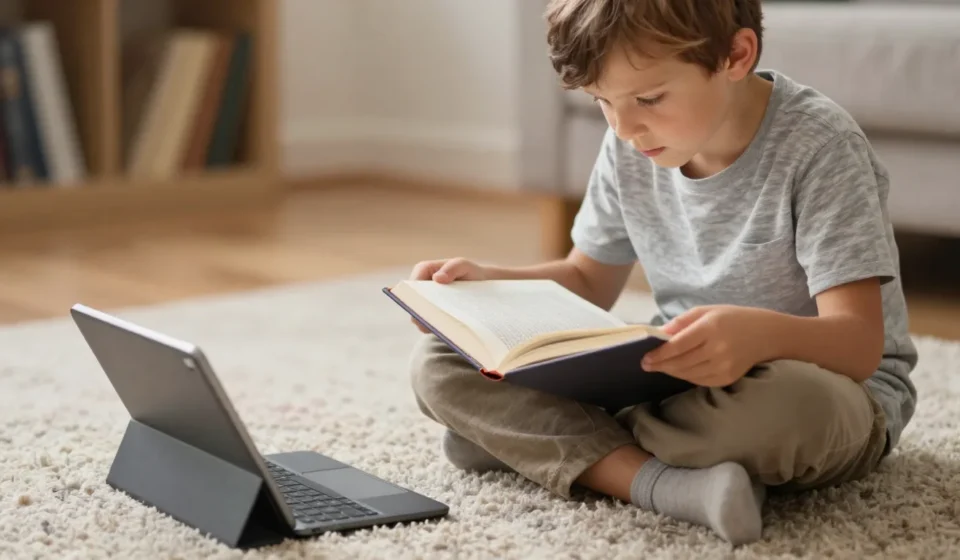

The Great Debate: Screen Time vs Reading
Every parent has wondered about screen time vs reading. Is one truly better for learning?
Research says it's not that simple, but the differences are striking.
Let’s dig into the evidence without the judgment. We’ll look at how each medium affects comprehension and focus.
How the Brain Processes Each Medium
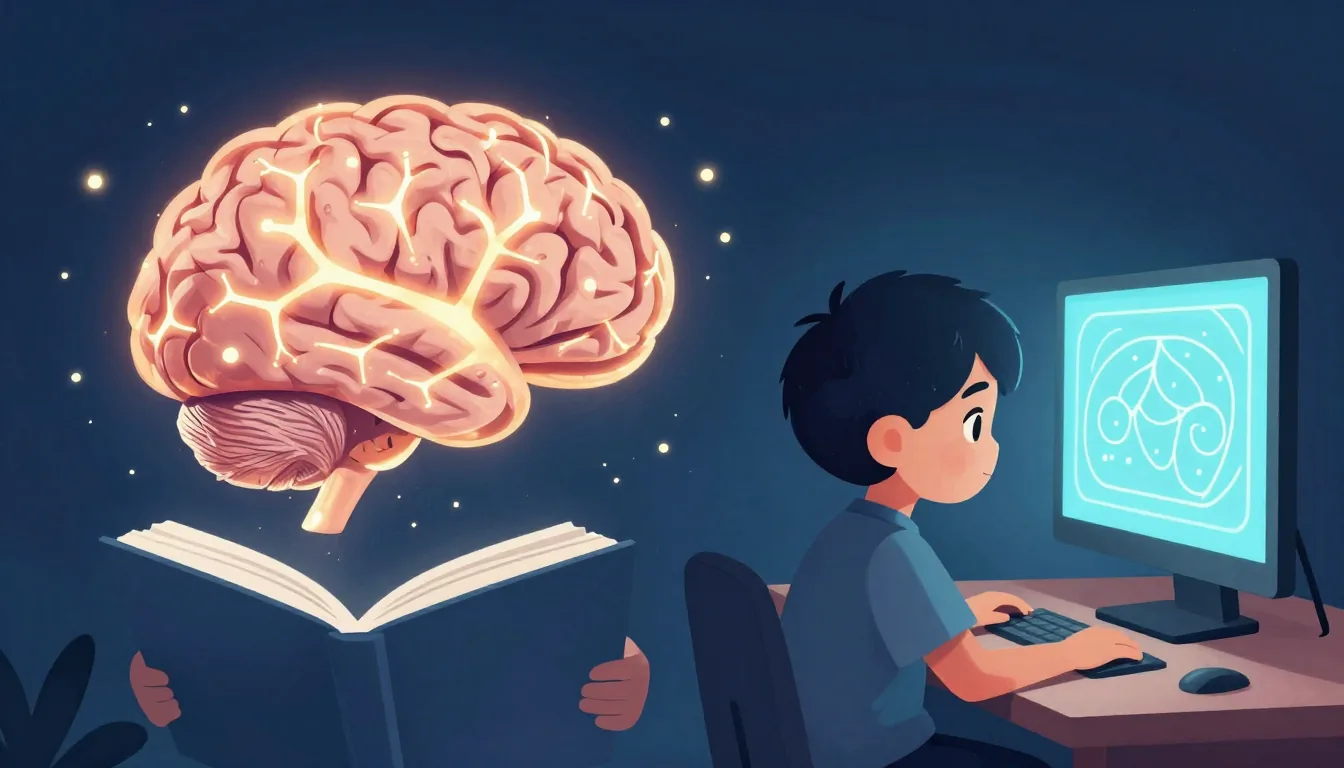
When kids read a physical book, their brains create a mental map of the story. This spatial and sequential processing strengthens deep comprehension.
Screens, on the other hand, encourage skimming and rapid attention shifts. A 2019 study in Educational Research Review found that paper reading leads to better recall of plot details.
Digital reading, especially with hyperlinks, fractures focus. The brain’s reward system gets hijacked by quick dopamine hits.
The Role of Attention Spans
Screen time vs reading also affects attention differently. Reading builds sustained focus; screens train the brain for constant novelty.
A 2020 paper in Pediatrics linked excessive screen use to shorter attention spans in preschoolers. But not all screen time is equal.
Interactive reading apps can mimic book-like engagement. The key is the content and how it's used.
Parental co-viewing matters too.
Comprehension and Deep Thinking
When kids read from paper, they tend to read slower and re-read more often. This promotes deeper processing.
Screen reading often leads to ‘faux-reading’—scanning for keywords rather than absorbing meaning. A 2020 Nature study showed that students who read printed texts scored higher on comprehension tests.
However, digital texts with good design can close the gap. It’s not the medium alone but how we use it.
What About Educational Apps?
Many parents hope educational apps can bridge the gap. Some research suggests that well-designed apps can teach specific skills, like phonics.
But they rarely teach critical thinking or narrative comprehension as effectively as books. The American Academy of Pediatrics emphasizes that quality content and interaction outweigh screen time quantity.
Yet, for developing brains, real-world interaction and reading remain superior for language development.
Building Vocabulary and Language
Reading aloud from books exposes kids to richer vocabulary and complex sentence structures than most screen media. A 2018 study in Journal of Developmental & Behavioral Pediatrics found that screen time was linked to fewer parent-child conversations.
These conversations are crucial for language growth. Audio books and interactive story apps can help if used together with a parent.
The key is active engagement, not passive consumption. Screen time vs reading isn’t a binary—it’s about balance.
Why Books Win for Vocabulary
Books contain rare words that rarely appear in screen media. A study from Reading Research Quarterly noted that children’s books have 50% more rare words than TV shows.
This exposure boosts vocabulary acquisition significantly. However, when parents watch educational programs with their kids, vocabulary gains improve.
The interaction makes the difference. So if you choose screens, stay engaged.
Practical Tips for Parents
So what can you do? Prioritize reading aloud daily, even for older kids.
Set screen time limits based on quality, not just clock time.
Encourage active screen use like creating stories rather than watching videos. Also, model reading yourself.
Kids mimic what they see.
Another idea: combine both by reading an ebook together on a tablet. The interaction matters more than the medium.
This hybrid approach can offer the best of both worlds.
Remember: Parenting & Family resources can help you navigate these choices. The goal is not to demonize screens but to make informed decisions.
For more evidence, check out the AAP’s Media and Children guidelines and this Scientific American article. The bottom line: both have roles, but for deep learning, screen time vs reading shows that reading still wins. Ultimately, conscious choices lead to better outcomes for your child’s development.