
Why Soil pH Testing Is Crucial for Plant Health
Understanding soil pH testing is essential for any gardener who wants thriving plants. The pH level determines nutrient availability, and most vegetables prefer a slightly acidic to neutral range of 6.0 to 7.0.
Without proper readings, you risk stunted growth or yellowing leaves.
Fortunately, you don't need expensive lab equipment. Simple household items and affordable kits can give you reliable insights.
This guide walks you through 7 practical methods to measure acidity or alkalinity from the comfort of your home.
Collecting a Representative Soil Sample
Before any soil pH testing, gather samples from multiple spots in your garden. Dig down 4–6 inches, remove roots and rocks, and mix the soil in a clean container.
For best results, test when the soil is moist but not wet, and avoid areas near compost piles or recent fertilizer.
Let your sample air-dry overnight on newspaper if using a kit that requires dry soil. This step ensures consistent readings regardless of recent rain or watering.
Method 1: The Vinegar and Baking Soda Fizz Test
This classic household trick quickly indicates whether your soil is acidic or alkaline. Place two tablespoons of soil in a bowl and add half a cup of vinegar.
If it fizzes, your soil is alkaline (pH above 7). No reaction means it may be neutral or acidic.
To confirm acidity, take a fresh sample, moisten it with distilled water, then add baking soda. A fizzy reaction indicates acidic soil (pH below 7).
This method only gives a qualitative result, not a precise number, but it's a great starting point.
Method 2: Red Cabbage pH Indicator
Red cabbage contains anthocyanin, a natural pigment that changes color with pH. Boil chopped cabbage in distilled water for 10 minutes, then strain to get a purple liquid.
Add a tablespoon of soil to a cup of this liquid and stir.
If the liquid turns pink, your soil is acidic; green or blue indicates alkaline. The deeper the color shift, the stronger the acidity or alkalinity.
Compare with a color chart online for a rough pH estimate.
Method 3: Using a Home pH Test Kit
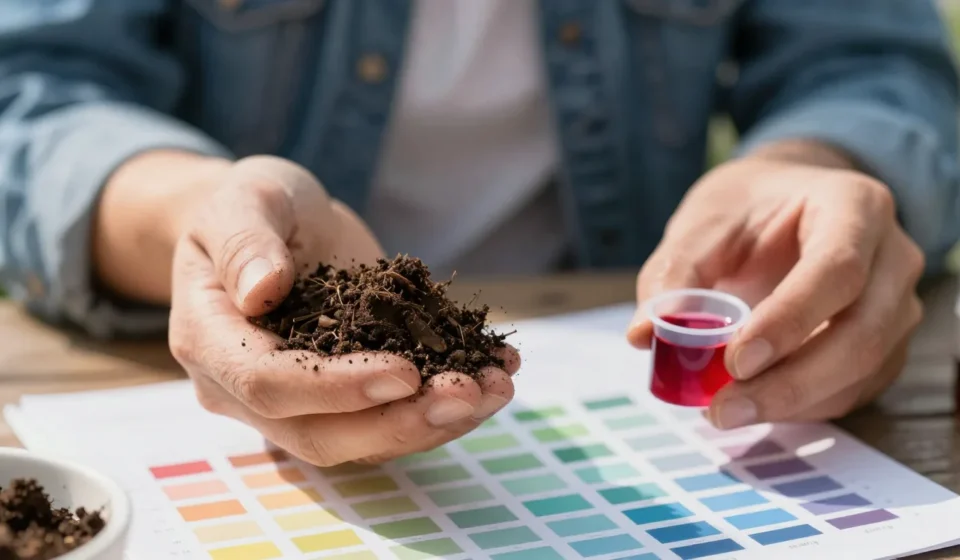
Affordable test kits from garden centers provide more accuracy for soil pH testing. They typically include a test tube, indicator solution, and color chart.
Mix a small amount of soil with distilled water, add the powder or drops, and shake well.
After the liquid settles, compare the color to the chart. Most kits cover the range 4.5–7.5 and are reliable within 0.5 pH units.
This is a solid option for gardeners who want repeatable results without spending much.
Method 4: Digital pH Meter
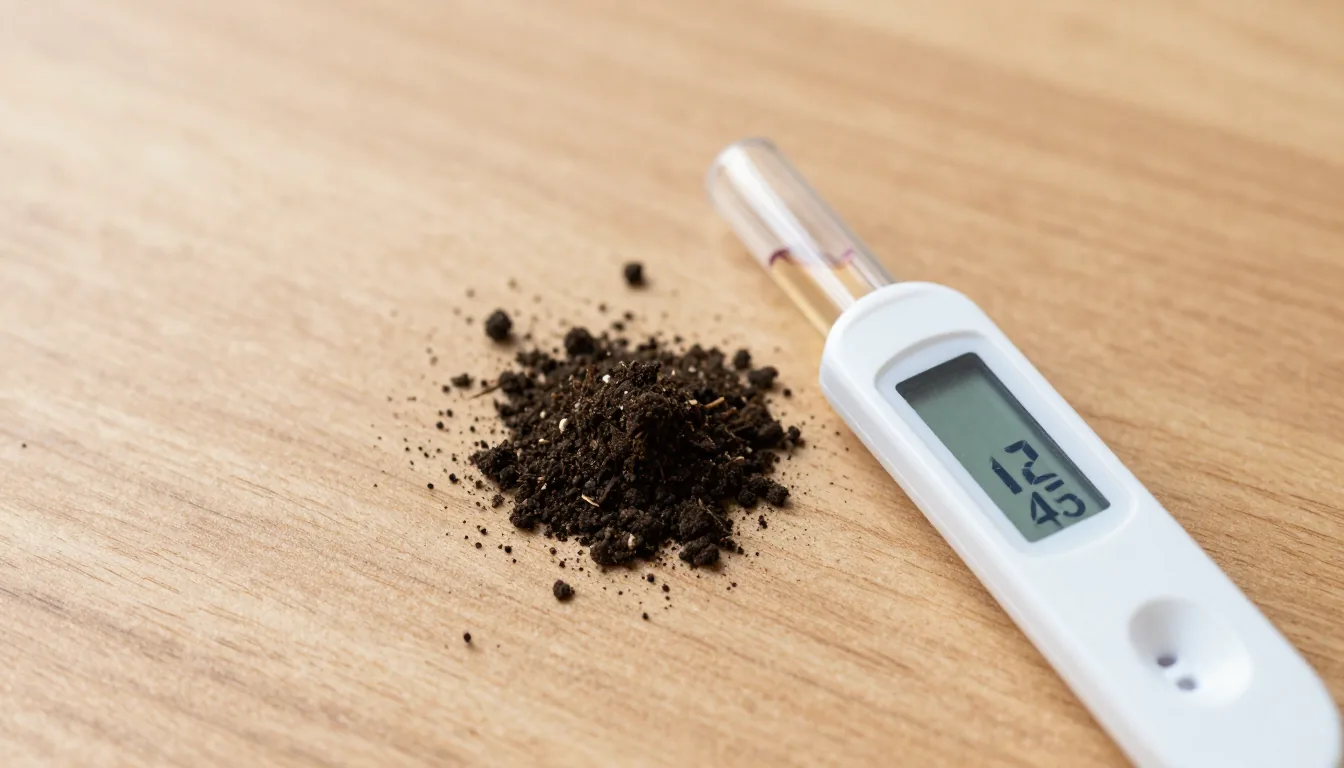
A digital pH meter gives quick, precise readings. Insert the probe into moist soil and wait 30–60 seconds for a stable number.
Clean the probe after each use with distilled water to maintain accuracy.
While more expensive than kits, meters are reusable and eliminate guesswork. Calibrate occasionally with buffer solutions to ensure longevity.
They're ideal for serious growers or large gardens.
Method 5: Litmus Paper Strips
Litmus paper offers a simple dip-and-read approach for quick soil pH testing. Make a soil slurry with distilled water, dip the strip, and watch for a color change.
Match the strip to a provided scale to find your pH.
These strips are cheap and portable, but less accurate than meters. They work best as a screening tool to detect major imbalances.
Method 6: Professional Lab Test (Mail-In)
For the most comprehensive analysis, send a soil sample to a cooperative extension lab. They provide a detailed report including pH, nutrient levels, and organic matter content.
While not immediate, this method gives you a full picture of soil health. Search for your local extension service online; many offer low-cost testing.
For more gardening insights, explore our Gardening & Nature archive.
Improving Your Soil pH
Once you know your pH from soil pH testing, adjust it naturally. To lower pH (make more acidic), add elemental sulfur or pine needles.
To raise pH (make more alkaline), incorporate garden lime or wood ash.
Always re-test after a few months, as changes take time. For more details, check out Extension.org for regional advice or The Old Farmer’s Almanac for seasonal tips.
Final Thoughts on Healthy Soil
Regular soil pH testing keeps your garden productive. Remember that different plants have different preferences—blueberries love acid soil, while lavender thrives in alkaline.
Adjust accordingly.
With these simple home tests, you’ll grow stronger plants and avoid common nutrient deficiencies. Happy gardening!