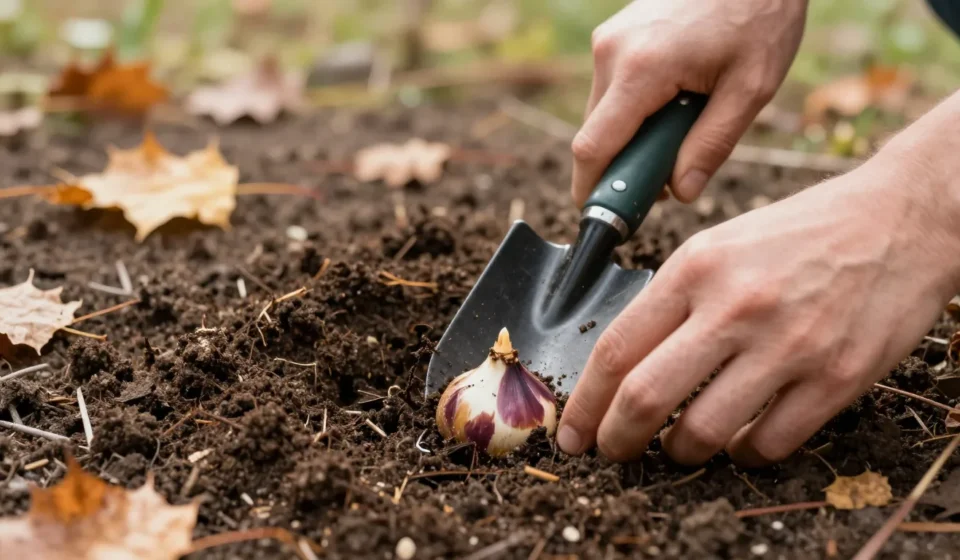

Planting Bulbs for Spring: Understanding Your Zone’s Window
Successful planting bulbs for spring begins with knowing your USDA hardiness zone. Each zone has a unique frost date that dictates when bulbs must go into the ground. The goal is to allow roots to establish before the soil freezes solid.
Mastering planting bulbs for spring requires timing roots to establish before the soil freezes. For most spring-blooming bulbs like tulips, daffodils, and crocuses, the ideal soil temperature range is 40–50°F (4–10°C).
Use a soil thermometer to avoid guesswork and ensure optimal conditions.
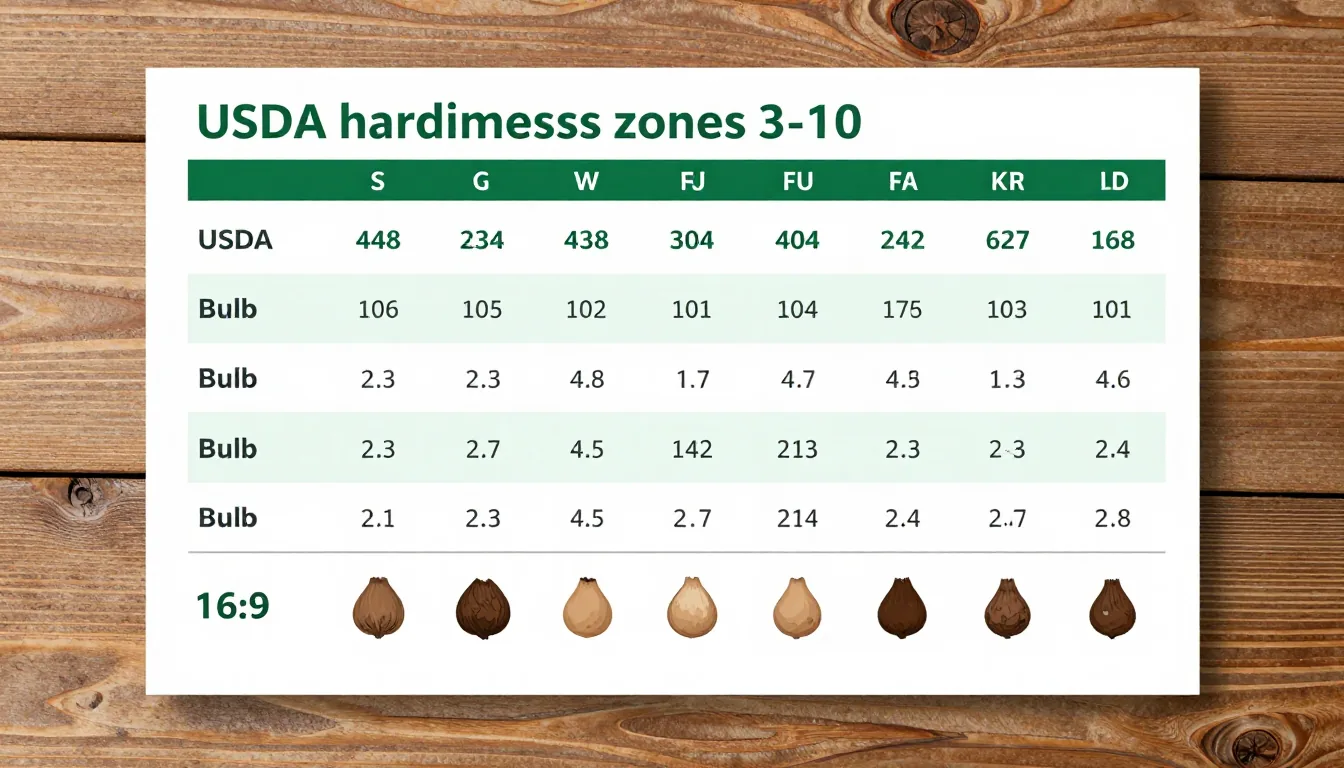
Zone-by-Zone Calendar for Bulb Planting
Zones 3–4: Early Autumn Rush
Gardeners in these cold zones (northern US) should plant bulbs from late August to mid-September. The ground cools quickly, so work fast after the first light frost.
Mulch heavily with straw or leaves to insulate.
Choose hardy species like Siberian squill, snowdrops, and species tulips. Avoid tender hybrids that may not survive deep freezes.
Soil preparation is key: add compost for drainage and phosphorus for root growth.
Zones 5–6: Prime Autumn Window
These zones offer a wider planting window: late September through October. Aim to finish by the first hard frost, usually mid-November.
Daffodils and hyacinths thrive here; plant them 6–8 inches deep.
Water bulbs once after planting to settle the soil, then let autumn rains take over. Avoid fertilizing until spring—bulbs need energy stored in their own tissues.
Mark your spots with labels to avoid accidental digging later.
Zones 7–8: Late Autumn to Early Winter
In milder climates, plant bulbs from October through December. The soil stays workable longer, so you can even plant after Thanksgiving.
Focus on pre-chilled tulips if your winters are warm, as natural chilling may be insufficient.
For zones 7–8, consider paperwhites and amaryllis for indoor forcing. Outdoors, plant anemones and ranunculus in late fall for a spectacular spring show.
Avoid overwatering; bulbs rot easily in wet soil.
Zones 9–10: Refrigerated Success
These warm zones lack the cold period bulbs need. You must pre-chill most bulbs in a refrigerator (not freezer) for 6–12 weeks.
Plant them in December or January for spring blooms. Use containers for better control.
Choose heat-tolerant species like gladiolus, lilies, and calla lilies if you want reliable returns. Treat tulips and daffodils as annuals—they rarely rebloom without a cold snap.
Mulch with light-colored material to keep roots cool.
Step-by-Step Planting Tips for Every Zone
Soil Preparation and Depth Guidelines
Loosen soil to at least 12 inches deep and mix in organic matter. General rule: plant bulbs at a depth equal to three times their height.
For small bulbs like crocus, that’s about 3 inches; for large tulips, 6–8 inches.
Add bone meal or a slow-release bulb fertilizer at planting time. Phosphorus encourages strong root development.
Always place bulbs with the pointy end up—if unsure, lay them on their side; stems will find their way.
When planting bulbs for spring, ensure the soil is well-drained. Heavy clay can cause rot, so amend with sand or compost.
A successful planting bulbs for spring strategy includes consistent moisture without waterlogging.
Watering and Mulching for Winter
After planting, water thoroughly to eliminate air pockets. In zones 3–6, apply 2–4 inches of organic mulch after the ground freezes to prevent heaving.
In warmer zones, a light mulch retains moisture.
Avoid watering in late winter unless the soil is dry. Overly wet bulbs rot.
In spring, remove mulch gradually as shoots emerge. This protects tender sprouts from late frosts.
Common Mistakes to Avoid
One major error is planting too shallow or too deep—shallow bulbs freeze and heave, while deep bulbs exhaust energy reaching the surface. Another is ignoring drainage, as bulbs will rot in heavy clay; improve beds with sand or raised rows.
Many gardeners also skip variety selection: not all bulbs shine in every zone. Check local bloom times and choose cultivars bred for your climate; for instance, ‘Darwin Hybrid’ tulips perform well from zones 3–7, while ‘Angelique’ prefers zones 5–8.
For additional zone information, consult the official USDA Plant Hardiness Zone Map, and for a detailed planting calendar, see The Old Farmer’s Almanac. Want more guidance? Visit our Gardening & Nature archive for additional tips on soil health and plant cycles.