
Understanding the Balance of Nature in Your Garden
A healthy garden is a living ecosystem. When you practice organic pest control, you work with nature rather than against it.
By fostering beneficial insect populations and using simple homemade remedies, you can manage common pests without toxic chemicals.
The key is observation. Check your plants daily for early signs of trouble.
Catching a few aphids or slugs before they multiply makes treatment far easier and protects your soil life.
Invite Beneficial Bugs to Patrol Your Plot
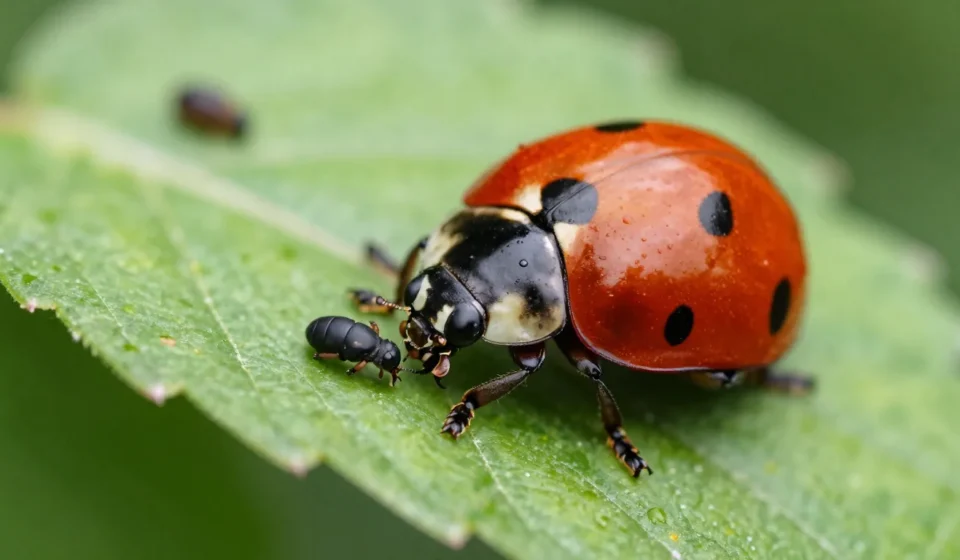
Ladybugs, lacewings, and parasitic wasps are your best allies. Ladybugs devour aphids by the dozens, while lacewing larvae feast on soft-bodied pests.
Plant dill, fennel, yarrow, and cosmos to provide nectar and pollen that keep these helpers around.
You can also purchase beneficial insects from reputable suppliers. Release them at dusk after watering your garden so they stay and hunt.
Avoid any pesticides — even organic ones — that might harm these good bugs.
Homemade Spray Recipes That Work
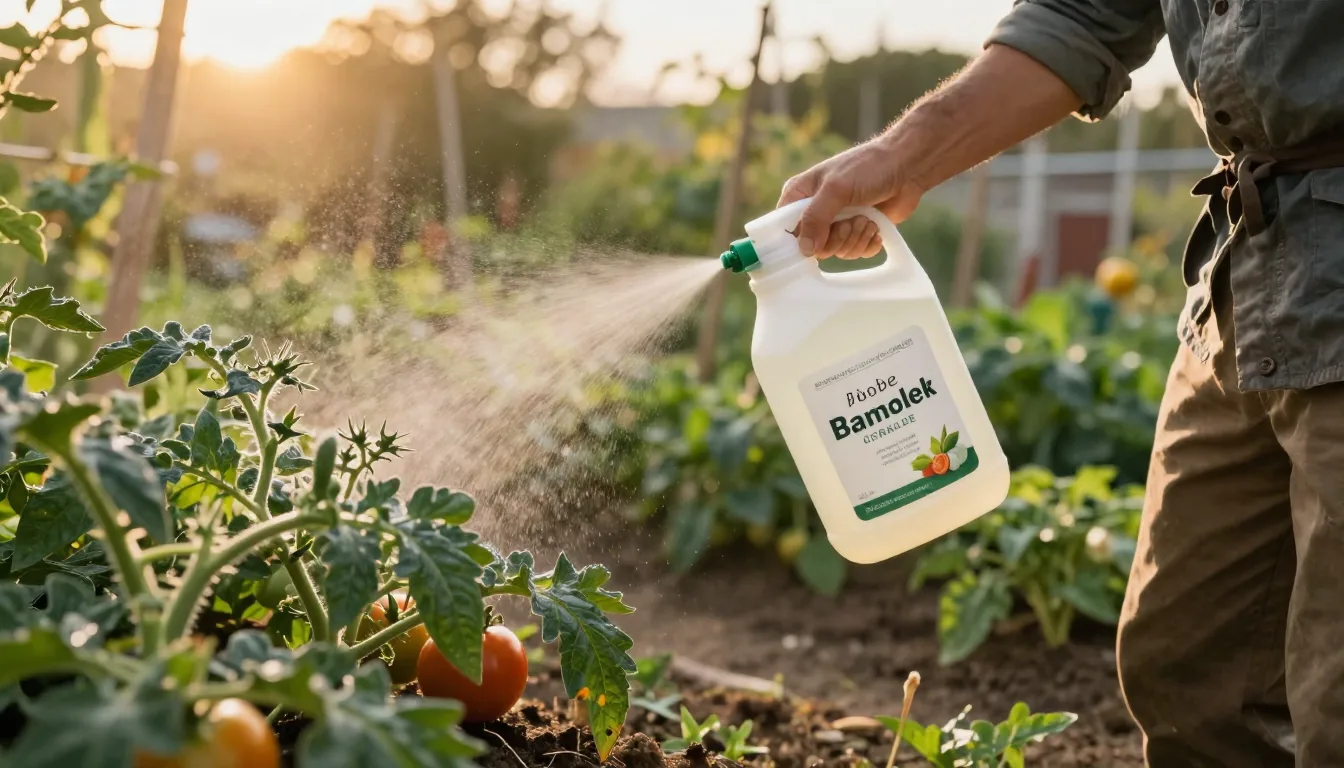
A simple garlic and chili spray repels many pests. Blend 2 cloves of garlic, 1 teaspoon of cayenne pepper, and 1 liter of water.
Strain and add a drop of mild soap. Spray on affected plants in the late evening to avoid leaf burn.
Neem oil is another effective option for organic pest control. Mix 2 teaspoons of cold-pressed neem oil with 1 liter of water and a few drops of insecticidal soap.
Apply weekly for persistent infestations. Neem disrupts the life cycle of aphids, whiteflies, and spider mites.
Organic Pest Control for Slugs: Barriers and Traps
Slugs are a gardener's nemesis, but you can outsmart them. Create barriers using crushed eggshells or diatomaceous earth around vulnerable seedlings.
The sharp edges deter these soft mollusks without harming the soil.
Set up beer traps by sinking shallow containers filled with stale beer into the soil. Slugs are attracted to the yeast and drown.
Check traps daily and refill after rain. Alternatively, hand pick slugs at night using a flashlight and drop them into soapy water.
Using Companion Planting to Deter Pests
Certain plants naturally repel pests. Plant marigolds near tomatoes to ward off nematodes and whiteflies.
Basil repels flies and mosquitoes, while chives discourage aphids. Interplanting creates confusion for pests and reduces the need for intervention.
Aromatic herbs like rosemary, thyme, and lavender also help. Their strong scents mask the smell of target plants.
This simple strategy is a cornerstone of effective organic pest control.
Building Healthy Soil for Resilience
Strong plants resist pests better. Focus on soil health by adding compost and mulch.
Healthy soil produces plants with thick cell walls and robust immune systems. A diverse soil microbiome also outcompetes harmful pathogens.
Water deeply but less often to encourage deep roots. Stressed plants attract pests, so consistent care is your first line of defense. For more on natural gardening, explore our Gardening & Nature archive.
When to Use Diatomaceous Earth
Food-grade diatomaceous earth is a mechanical insecticide. It scratches the exoskeletons of ants, fleas, and beetles, causing them to dehydrate.
Dust it lightly on leaves and soil but avoid flowers to protect pollinators. Reapply after rain.
Use it sparingly — it can also affect beneficial insects if overused. Spot-treat problem areas rather than blanketing your entire garden.
This precision is key in organic pest control.
Staying Ahead with Seasonal Timing
Pest problems often follow seasonal patterns. Aphids surge in spring; caterpillars in early summer; slugs in wet weather.
Plan your interventions early. For example, release ladybugs right when you spot the first aphids, not after an infestation explodes.
Rotate crops annually to break pest life cycles. If you grew tomatoes in one bed, plant beans or leafy greens there next year.
This simple practice reduces soil-borne diseases and pest buildup. Integrating these habits makes organic pest control sustainable.
For deeper insights on natural gardening, visit Rodale’s Organic Life or Mother Earth News. These resources offer practical, time-tested advice aligned with organic principles.