
Understanding Mulching Mistakes
Many gardeners believe mulch is foolproof, but common mulching mistakes can set your garden back years. The right layer nurtures soil life; the wrong one suffocates roots. Recognizing these pitfalls early helps you avoid costly repairs.
Mulch is a powerful tool, yet misuse is widespread. This guide covers seven critical errors and how to correct them for healthier soil and plants.
Mistake 1: Piling Mulch Too Deep
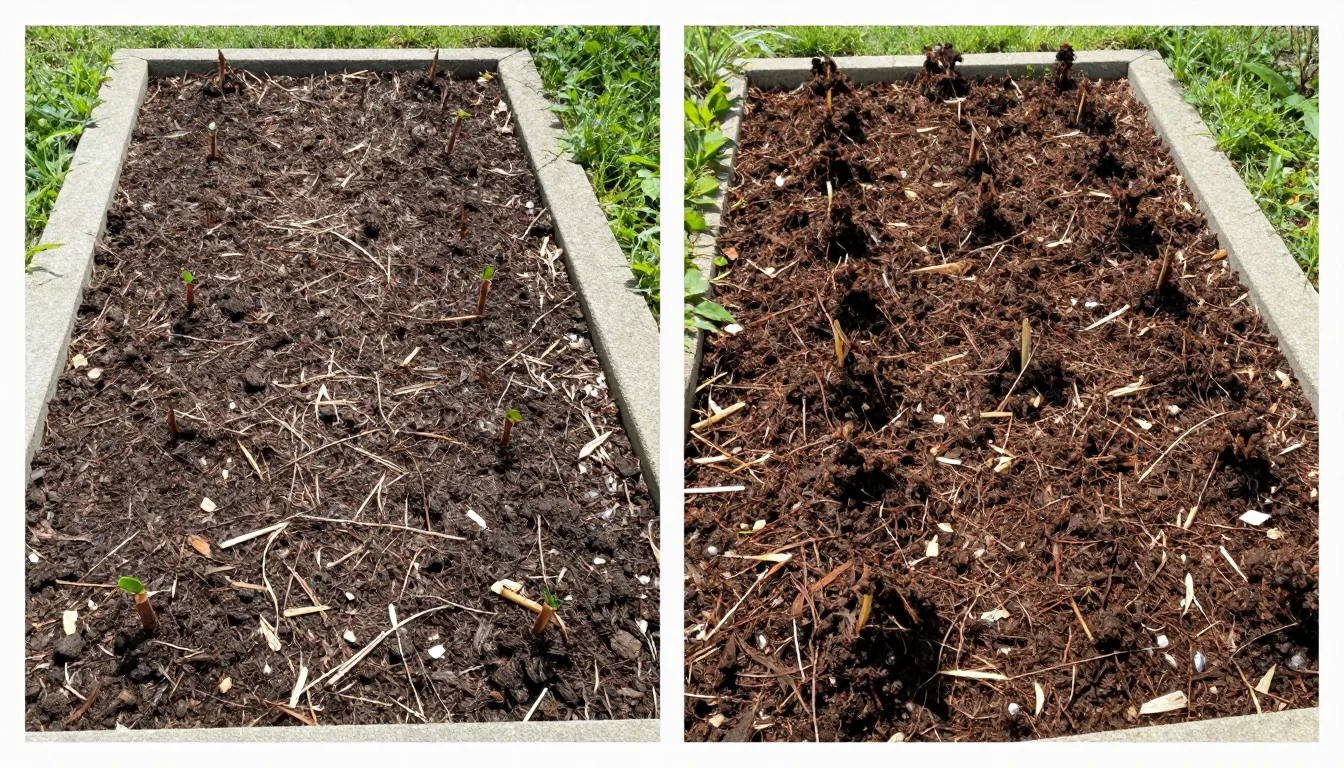
A thick blanket seems protective, but over-mulching blocks oxygen and traps moisture against stems. This creates a perfect environment for fungal diseases and root rot.
Aim for 2–3 inches for organic mulches like wood chips or shredded leaves.
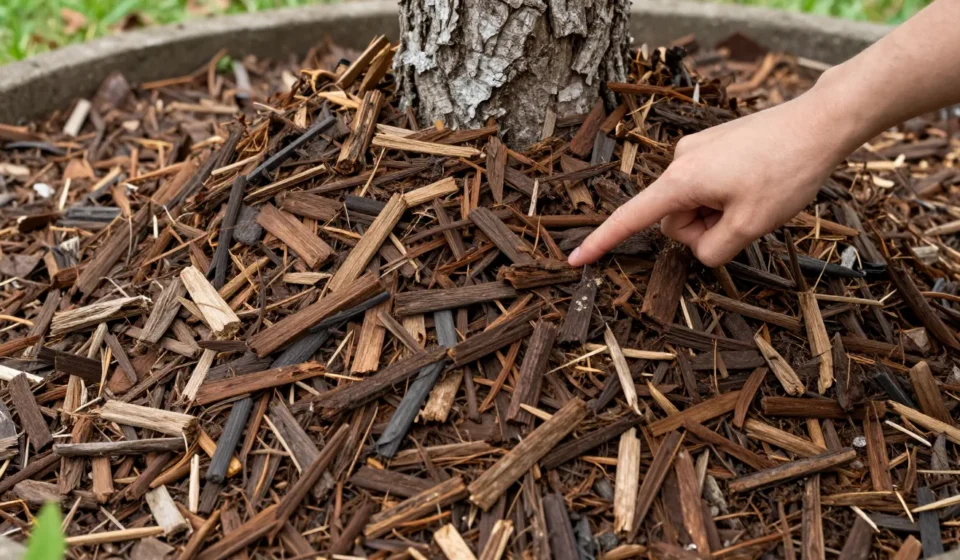
Too much depth also invites rodents and insects to nest. Keep mulch away from tree trunks and plant crowns—use a donut shape, not a volcano.
Correct depth allows air flow and prevents waterlogging.
Mistake 2: Using the Wrong Material
Not all mulches feed the soil. Fresh wood chips temporarily tie up nitrogen as they decompose, so use aged bark or compost instead.
Dyed mulches often contain chemicals that leach into the earth—stick to natural options.
Similarly, avoid rubber or plastic mulches. They don't break down, block water penetration, and can heat up roots in summer.
Choose materials that benefit soil biology, like shredded leaves or straw.
This is a common mulching mistake that many beginners overlook. Selecting the right material prevents long-term problems.
Mistake 3: Mulching Too Early or Too Late
Timing matters. Applying mulch before the soil warms in spring delays growth by keeping ground cold.
Wait until soil temps reach 60°F for best results.
In autumn, mulch after a hard freeze to insulate roots, not before—or you’ll encourage rodents. A good rule: mulch when the soil is moist but not waterlogged, and after weeding thoroughly. Getting the timing wrong is another mulching mistake that can stress plants.
Mistake 4: Ignoring Weed Seeds in Mulch
Straw or hay often carry weed seeds. Use certified weed-free straw or composted wood chips.
A layer of cardboard or newspaper beneath organic mulch can block weeds while it decomposes.
Also, avoid placing mulch over existing weeds—they'll push through. Remove them first, roots and all.
Ignoring this step undermines your weed control efforts and wastes time.
Mistake 5: Skimping on Depth
Too thin a layer (less than 2 inches) won’t suppress weeds or retain moisture. But Gardening & Nature experts recommend checking depth annually as it decomposes. Top up in spring and fall as needed.
Remember: fine mulches like grass clippings should be thinner (1–2 inches) to prevent matting. Proper depth is key to avoiding many mulching mistakes. Always measure to ensure coverage.
Mistake 6: Covering Plant Crowns
Mulch piled against stems or trunks leads to rot, insect damage, and disease. Keep mulch 2–3 inches away from the base of plants.
For trees, expose the root flare completely.
This simple spacing allows air circulation and prevents collar rot, especially in wet climates. Many gardeners commit this mulching mistake unknowingly. Correct placement is crucial for plant health.
Mistake 7: Forgetting to Refresh
Old mulch compacts and loses its benefits. Refresh annually with a thin layer of compost or well-rotted manure.
This adds nutrients and maintains the soil food web.
Test your mulch by digging down—if it’s dry and crumbly underneath, it’s doing its job. If it smells sour or is slimy, remove it and start fresh. Regular maintenance prevents long-term mulching mistakes.
A Final Word on Mulching
Good mulching mimics a forest floor—layered, living, and teeming with life. Avoid these mulching mistakes, and your garden will thank you with vigorous growth and resilient soil.
For deeper insight, check out University of Minnesota Extension’s mulching guide and RHS advice on mulches. Remember that learning from mistakes is part of becoming a better gardener.