
Understanding the Basics
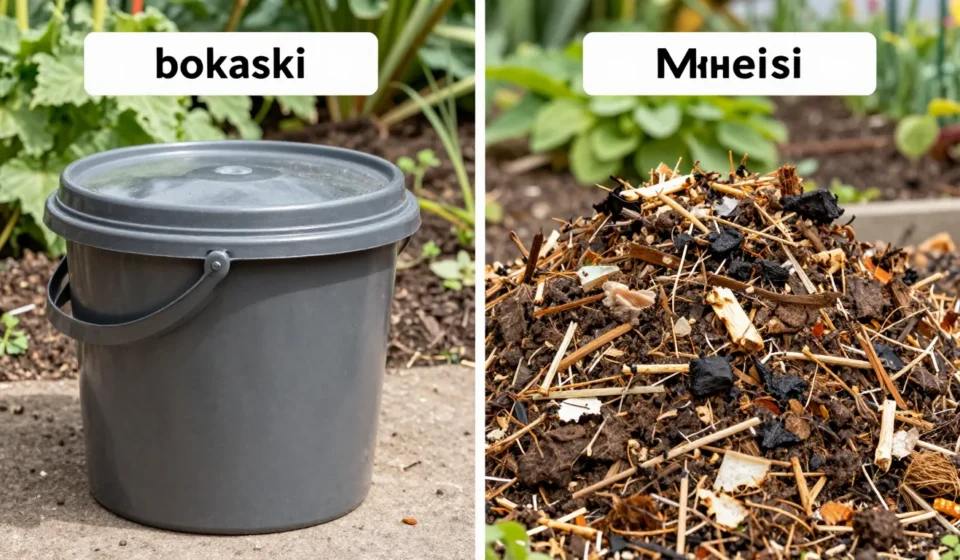
When deciding between bokashi vs traditional composting, you're choosing between two fundamentally different approaches to recycling kitchen scraps. Traditional composting relies on aerobic decomposition, while bokashi ferments waste in an anaerobic environment.
Each method has its own strengths, and the right choice depends on your living situation, gardening space, and personal preferences.
Bokashi vs Traditional Composting: A Side-by-Side Comparison
Let’s examine the core differences so you can make an informed decision. This comparison covers speed, space, odor, waste types, and end product to highlight which method aligns with your goals.
Speed of Decomposition
Bokashi is remarkably fast—it can finish fermentation in just two weeks. After that, the pre-compost material needs to be buried in soil for another couple of weeks to fully break down.
Traditional composting, on the other hand, takes anywhere from two months to a year, depending on how actively you manage the pile. For quick results, bokashi wins hands down.
Space Requirements
Bokashi systems are compact and odor-free, making them ideal for apartments and small homes. You only need a 5-gallon bucket and a supply of bokashi bran.
Traditional composting requires more room: a bin or pile, plus space for turning and storing materials. If you have a yard, traditional is straightforward; if not, bokashi is the clear choice.
Odor and Pest Control
Bokashi produces a pickled smell that is rarely offensive and does not attract flies or rodents when sealed. Traditional compost piles can emit earthy or sometimes sour odors, and they may attract pests if not managed well.
For indoor use, bokashi is far superior in keeping your home pest-free.
Types of Waste Processed
Traditional composting has limitations: no meat, dairy, or oily foods. Bokashi can handle all kitchen waste, including leftovers, meat, bones, and citrus.
If you want to recycle a wider range of scraps without worrying about what to exclude, bokashi is the solution.
End Product and Use
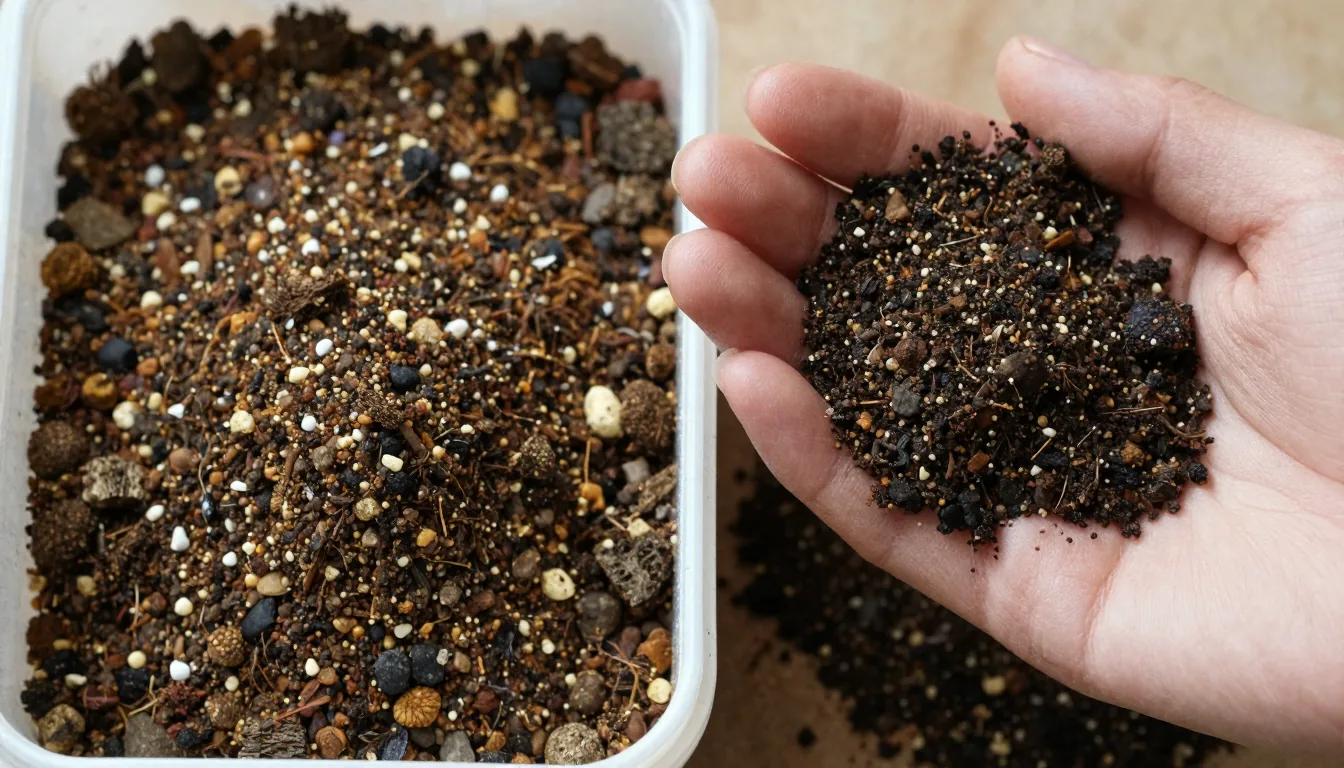
Traditional compost yields rich, stable humus ready for garden use immediately. Bokashi produces a fermented material that must be mixed into soil to finish decomposing.
The final nutrient profile is similar, but traditional compost is more convenient if you want to spread it right away. However, bokashi pre-compost enriches soil biology in a unique way.
Cost Comparison
When evaluating bokashi vs traditional composting, cost is an important factor. Bokashi requires an initial investment in a bucket and regular purchases of bran, which can add up over time.
Traditional composting can be very inexpensive if you build your own bin and use free yard waste. For those on a tight budget, traditional is more economical in the long run.
Environmental Impact
Considering bokashi vs traditional composting from an environmental perspective, both reduce landfill waste. Bokashi has a lower carbon footprint because it does not require turning machinery, but the bran production and shipping add some impact.
Traditional composting can produce methane if not managed aerobically, but well-maintained piles are carbon-neutral. Overall, both methods are eco-friendly.
Which Method Fits Your Space and Goals?
For apartment dwellers, bokashi vs traditional composting is an easy choice—bokashi is the only viable indoor option. If you have a garden, traditional composting builds large amounts of soil amendment.
Many enthusiasts combine both: bokashi for kitchen waste and a traditional pile for yard trimmings. Ultimately, choosing between bokashi vs traditional composting depends on your lifestyle, space, and how much effort you want to invest.
Consider your commitment level too. Bokashi requires purchasing bran and occasional bucket draining.
Traditional compost needs turning, moisture monitoring, and time. Whichever you choose, you'll be diverting waste from landfills and enriching your garden naturally.
For more tips on sustainable gardening, visit our Gardening & Nature section. Learn more about composting from the EPA and Oregon State University Extension.