
Common Composting Mistakes Fix: Why Your Pile Fails
Understanding composting mistakes fix is the first step to a healthy pile. Many beginners face challenges like bad smells, pests, or slow decomposition, but these issues stem from common errors you can easily correct with simple adjustments.
Mistake 1: Too Much Green Material
Adding excessive kitchen scraps and grass clippings creates a nitrogen-heavy pile. This pile turns slimy and stinks.
The fix is balancing greens with browns like dried leaves, cardboard, or straw.
Aim for a 3:1 ratio of browns to greens by volume. This absorbs excess moisture and provides carbon for microbes.
Another composting mistakes fix involves chopping materials into smaller pieces to speed decomposition.
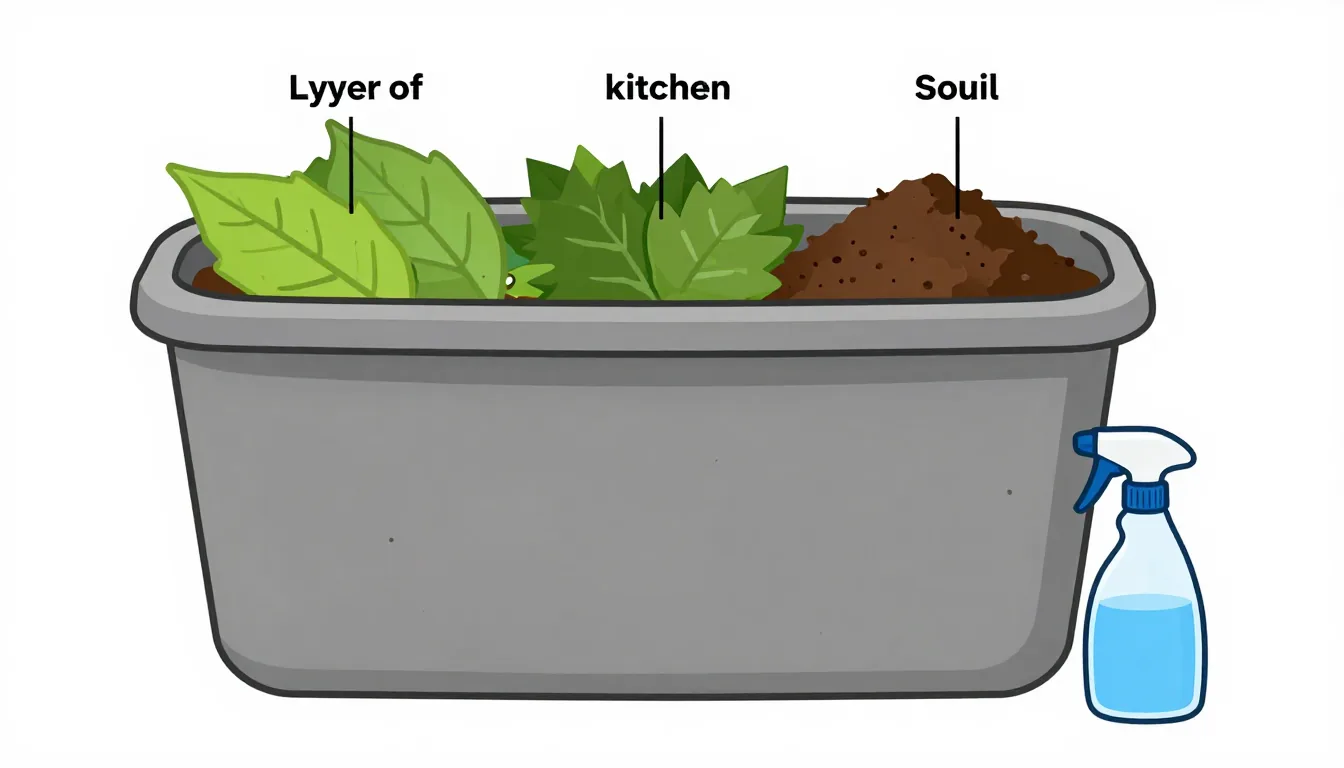
Many gardeners also forget to layer materials properly, which can lead to compacted areas. Correcting this mistake results in faster breakdown and no odors.
Proper layering ensures air pockets and even decomposition.
Mistake 2: Ignoring Aeration
Without oxygen, your pile becomes anaerobic, producing methane and rotten odors. Turn your compost weekly with a pitchfork or use a tumbler.
Inserting aeration pipes or adding bulky materials like twigs helps too.
This composting mistakes fix ensures fluffy piles that decompose faster and smell earthy. Regular turning also distributes moisture and microbes evenly.
For best results, mix the outer layers into the center where activity is highest.
If turning is too labor-intensive, consider a compost aerator tool. It creates air channels without heavy lifting.
Aerating more frequently in hot weather prevents overheating.
Mistake 3: Wrong Moisture Level
Compost should feel like a wrung-out sponge. If it's too dry, microbial activity stalls.
If too wet, it rots and smells.
Use the squeeze test: a few drops mean perfect moisture. Add water if dry, or mix in dry browns if soggy.
Cover the pile during rain to prevent waterlogging.
This simple composting mistakes fix maintains the ideal environment for microbes. Monitoring moisture weekly ensures consistent decomposition.
A moisture meter can help beginners gauge accurately.
Mistake 4: Adding Problematic Materials
Meat, dairy, oily foods, and diseased plants attract rodents and create odors. Stick to fruit/veg scraps, eggshells, coffee grounds, and yard waste.
Bury new additions under browns to deter flies.
For pet waste or weeds, use a separate hot composting system. Knowing what to avoid is a key composting mistakes fix for a pest-free pile.
Always research what is safe for your specific composting method.
Even small amounts of problematic materials can ruin a batch. When in doubt, leave it out.
A well-informed compost pile stays healthy and productive.
Mistake 5: Impatience with Size
Small piles don't generate enough heat to break down quickly. For fast results, build a pile at least 3x3x3 feet.
If space is limited, use a closed bin with a smaller footprint and chop materials finely.
Building a larger pile is a simple composting mistakes fix that accelerates the process. Patience pays off—regular turning also helps maintain heat.
Even small piles can work if managed carefully with frequent turning and proper moisture.
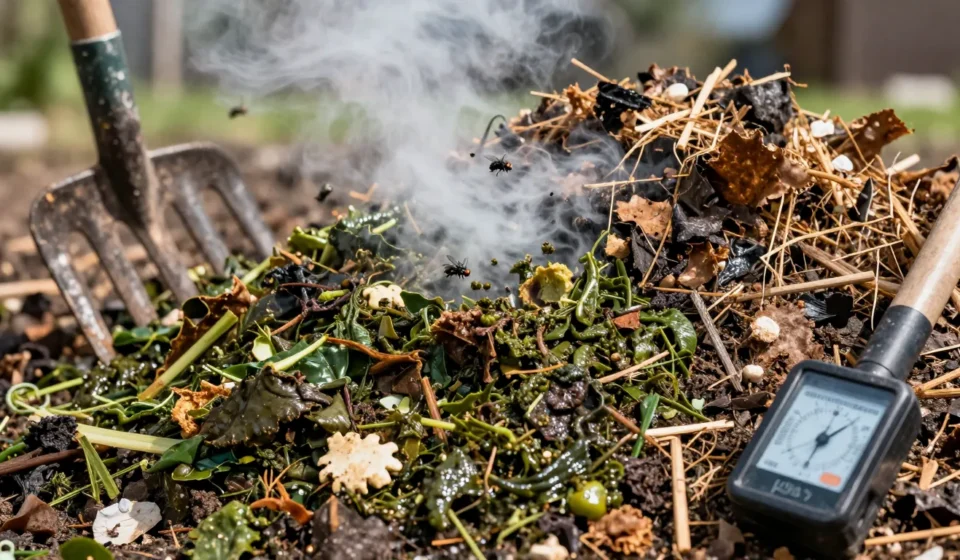
Consider using a compost thermometer to monitor internal temperature. Aim for 130-150°F for optimal microbial activity.
Hot piles break down faster and kill weed seeds.
Combining Solutions for Best Results
Often, more than one mistake occurs simultaneously. For example, too much green material and too little aeration create a wet, smelly heap.
In such cases, add more browns and turn vigorously.
This combined composting mistakes fix restores balance quickly, leading to healthy decomposition. Keep an eye on your pile's temperature and odor as indicators.
Regular monitoring helps you catch problems early.
Final Tips for Composting Success
By addressing these five pitfalls, you’ll turn your composting mistakes into rich, dark humus in no time. Remember these composting mistakes fix strategies for every pile you manage. For more on eco-friendly living, explore our Sustainability & Ecology category.
With practice, you’ll develop an intuitive sense for your pile’s needs. For deeper reading, check out the EPA’s guide to home composting or Gardener’s Supply Company tips. Happy composting!