
It’s All in the Air: The Simple Reason Stars Appear to Dance
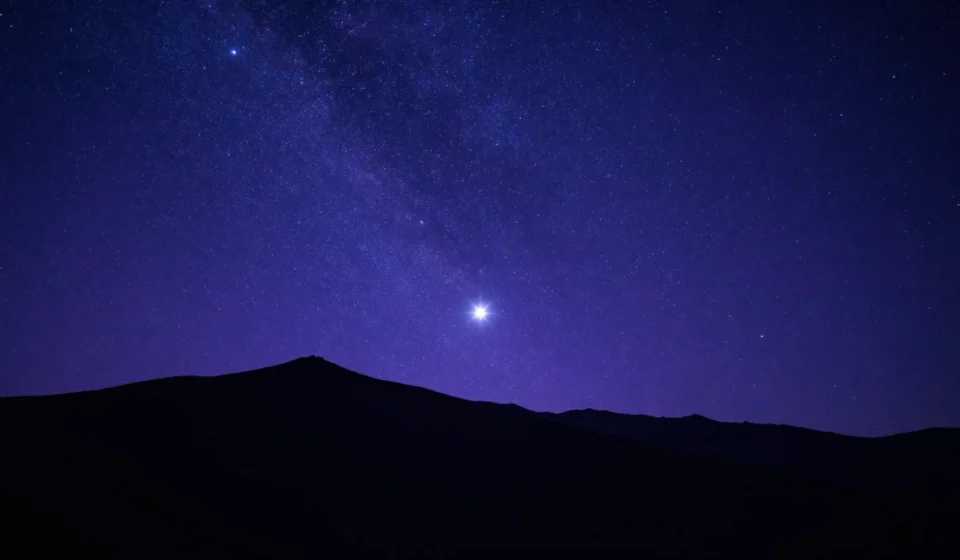
Stand outside on a clear night and look up. The stars seem to blink, flicker, and even change color. That stars twinkle atmosphere interaction is one of the most enchanting sights—and it’s entirely caused by our own planet.
Without air, stars would shine as steady, unwavering points of light. The scientific name for twinkling is atmospheric scintillation. It happens because starlight must travel through many layers of turbulent air before reaching your eyes.
Think of it like looking at a coin at the bottom of a swimming pool: the rippling water distorts its image. Our atmosphere acts like that pool, constantly shifting and bending starlight. This natural phenomenon is a direct result of the stars twinkle atmosphere relationship.
The Physics of Flicker: How Air Bends Light
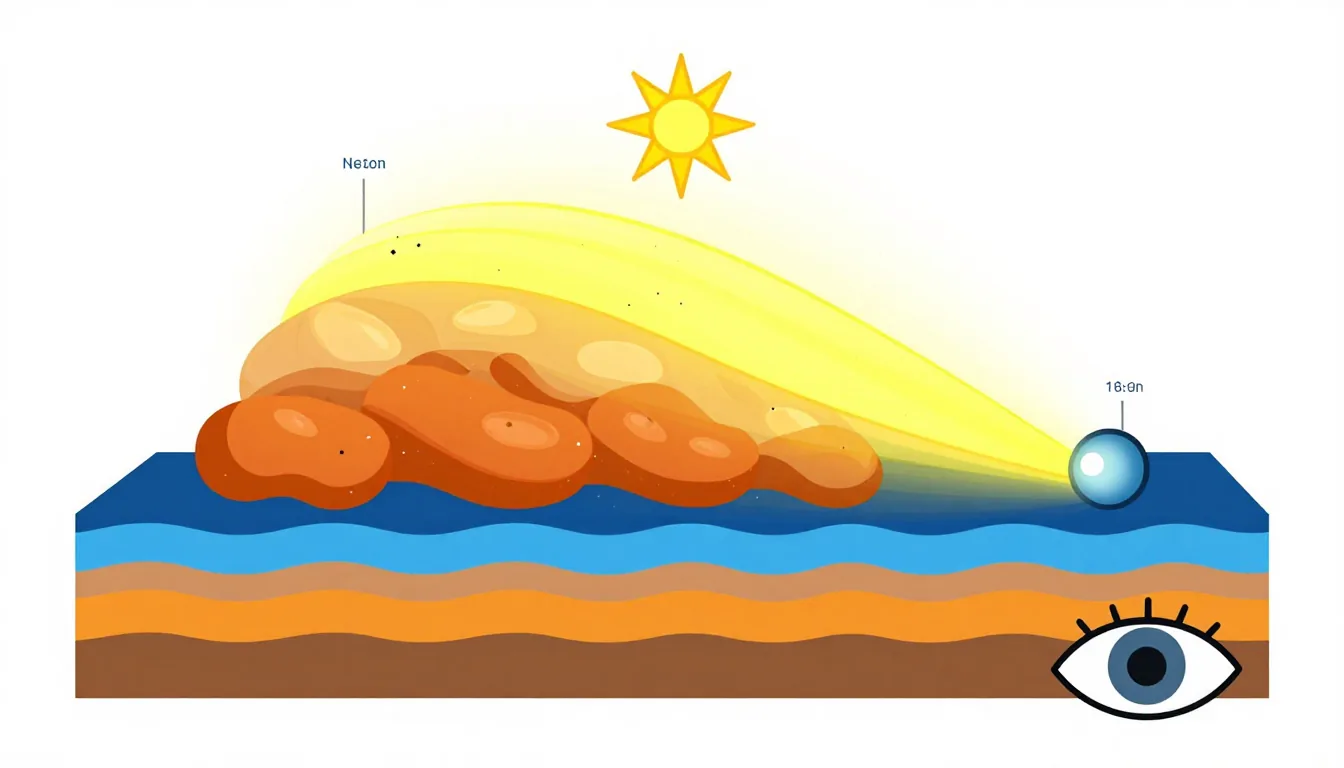
Earth’s atmosphere is a complex mixture of gases at different temperatures and densities. As starlight enters this chaotic medium, it encounters pockets of warm air rising and cool air sinking.
Each boundary between these pockets acts like a tiny lens, refracting the light slightly.
Refraction in Real Time
Because these pockets are constantly moving, the path of the light changes many times per second. Your eye sees these rapid, tiny shifts as a twinkle.
The effect is stronger when the star is closer to the horizon because the light passes through more atmosphere.
That’s why stars near the horizon often appear to flash wildly. Interestingly, the twinkling is not just in brightness but also in color.
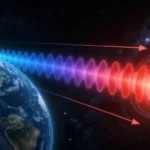
Different wavelengths of light bend by different amounts, causing the star to flash red, blue, and green rapidly.
The stars twinkle atmosphere phenomenon explained
This exact phrase captures the core of stellar scintillation. The stars twinkle atmosphere relationship is a direct result of air turbulence. Each pocket of air bends starlight unpredictably, creating the twinkling effect we observe from the ground.
Planets Don’t Twinkle: Here’s Why
You may have noticed that planets like Venus or Jupiter shine with a steady, calm glow. That’s not because they are closer—it's because they are not point sources.
Stars are so far away that they appear as infinitesimally small points of light.
Planets, on the other hand, are close enough to show a tiny disk. The disk averages out the atmospheric distortion.
Imagine the coin at the bottom of the pool again: if you look at a large coin, the ripples blur its edge but the overall shape remains stable.
A tiny coin would dance all over. Similarly, the extended disk of a planet smooths the scintillation, making it appear constant. This distinction helps beginners understand the stars twinkle atmosphere effect.
How to Spot the Difference
Use this trick: if an object in the sky twinkles, it’s likely a star. If it shines steadily, it’s probably a planet.
A bright, steady light low in the sky is often Venus, the “Evening Star.”
Mars and Jupiter also shine with a steady glow, though Jupiter might twinkle very slightly near the horizon. Astronomers have even named this steadiness “planets don’t twinkle” as a handy rule for beginners.
Atmospheric Seeing: Twinkling as a Tool and a Nuisance
Professional astronomers call the twinkling effect “seeing.” Good seeing means the air is calm and stars appear sharp. Poor seeing means heavy turbulence and blurry images.
Large observatories are built on high mountains or even in space to avoid the worst of the atmosphere. To combat twinkling, modern telescopes use adaptive optics—systems with deformable mirrors that change shape hundreds of times per second to cancel out atmospheric distortion.
This technology has produced some of the sharpest images of distant galaxies and planets ever captured. For amateurs, twinkling can actually help you judge the weather.
If stars are twinkling like crazy, it often means unstable air and possible stormy weather ahead.
Calm, steady stars indicate a stable high-pressure system. Understanding the stars twinkle atmosphere connection can even improve your stargazing sessions.
Fun Facts About Stellar Scintillation
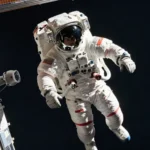
- The twinkling of a star can be seen from space—astronauts report that stars appear steady above the atmosphere.
- Binary stars (two stars orbiting each other) can sometimes be identified by their twinkling patterns, as their light interacts differently.
- On very windy nights, the twinkling becomes more pronounced because of increased air turbulence.
The next time you gaze at a twinkling star, remember that you’re witnessing the breath of our atmosphere—a dynamic, living blanket that shapes our view of the cosmos. Without that turbulence, the night sky would be beautiful but frozen.
The twinkle is a reminder that we are observers from a moving platform, dancing with the very air we breathe.
To learn more about the night sky, check out our Popular Science & Space archives. For deeper reading, visit ESA’s explanation or EarthSky’s guide.