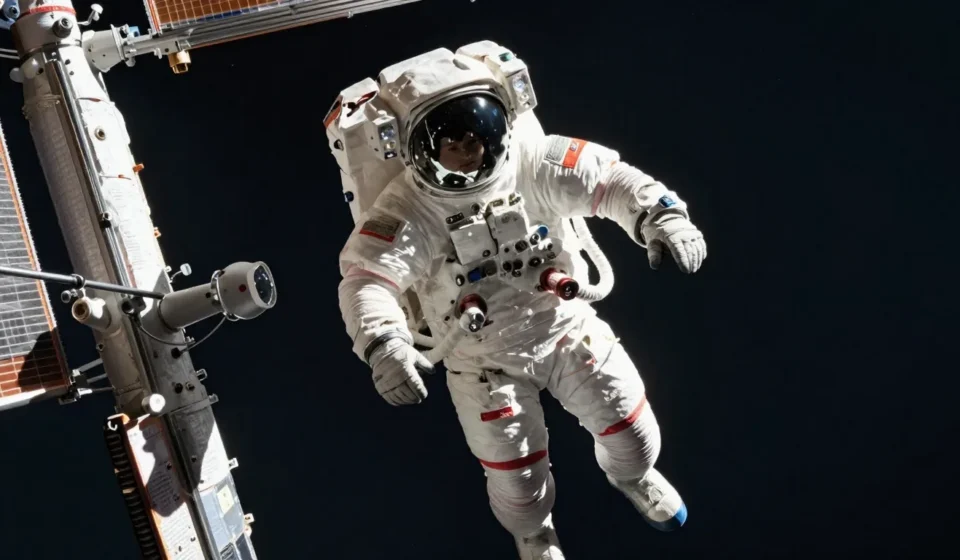

What Happens to Your Body in Space: Cardiovascular Fluid Shifts
When you first leave Earth, your body in space experiences a rush of fluids toward your head. Without gravity pulling blood downward, the heart pumps more blood into the upper body.
This causes a puffy face and thinner legs—often called the “Charlie Brown” effect.
Your brain interprets this extra fluid as too much volume, and your kidneys quickly remove water to compensate. That’s why astronauts lose about 22% of their blood plasma in the first few days.
This fluid shift also alters the shape of the heart, making it more spherical. Over time, the heart muscle may weaken because it doesn’t have to work as hard against gravity.
Upon returning to Earth, astronauts often feel dizzy and faint until their cardiovascular systems readjust.
Bone and Muscle Loss in Microgravity
Bone Density Decline
Without the constant pull of gravity, bones begin to break down calcium at an alarming rate. Studies show that astronauts lose about 1% to 2% of bone density per month in microgravity.
This is similar to the bone loss seen in osteoporosis, but much faster.
The body reabsorbs calcium from bones, increasing the risk of kidney stones and fractures. Scientists are testing drugs like bisphosphonates, along with daily resistance exercise, to slow this process.
Even so, some bone loss may be irreversible after long missions.
Muscle Atrophy Effects
Muscles used for posture and movement—especially in the legs and back—waste away without resistance. In just two weeks, muscle mass can decrease by up to 20%.
This atrophy reduces strength and endurance, making simple tasks on Earth feel exhausting.
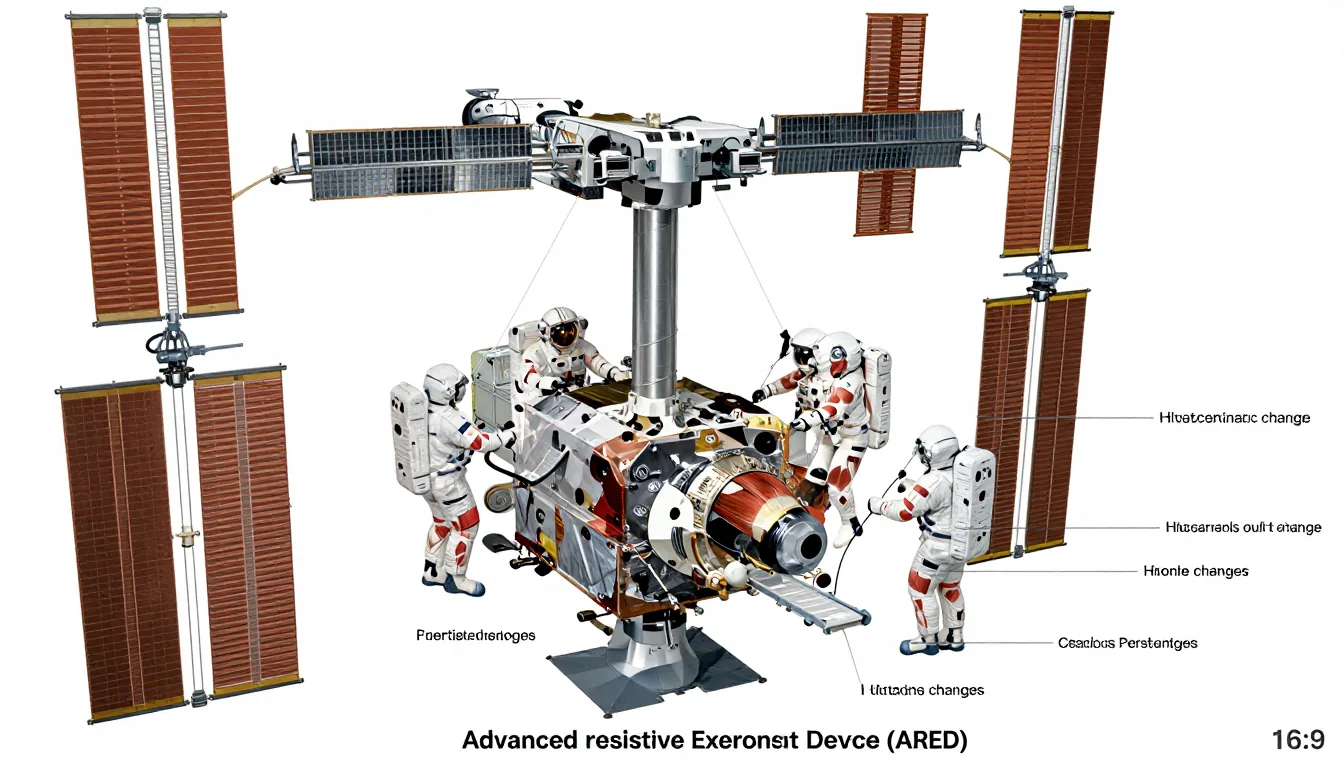
Astronauts exercise two hours daily with specialized equipment like the Advanced Resistive Exercise Device (ARED) to combat muscle loss. But even with training, some weakening is inevitable.
These adaptations highlight the resilience of the human body in space when faced with weightlessness.
Immune System Challenges
Spaceflight triggers a constant level of immune activation. Stress hormones rise, and immune cells behave differently in microgravity.
This can lead to allergies, skin rashes, and reactivation of latent viruses like herpes.
At the same time, the immune system may suppress its ability to fight off new infections, creating a paradox. Researchers are studying how to balance immune responses for longer missions to Mars, where medical help is far away.
Understanding how the immune system responds is crucial for protecting every body in space.
Vision Changes from Head Pressure
Many astronauts experience a condition called Spaceflight-Associated Neuro-ocular Syndrome (SANS). Fluid shifts increase pressure inside the skull, pressing against the back of the eyes.
This flattens the eyeballs and changes vision, often causing hyperopia (farsightedness).
Some astronauts need reading glasses after just a few weeks in orbit. NASA is testing lower-body negative pressure devices that pull fluid toward the legs to reduce head pressure.
Artificial gravity is another long-term solution.
These vision changes emphasize how sensitive the human body in space is to the absence of gravity. Researchers hope that inflight exercises and intermittent centrifugation can mitigate this problem.
Countermeasures and Future Solutions
To mitigate the effects of space on the human body, space agencies employ a multi-pronged approach. Daily exercise remains the cornerstone: astronauts cycle, run on a treadmill, and lift weights.
Nutrition is also crucial—they take vitamin D supplements and eat foods rich in calcium and antioxidants.
Monitoring devices track vital signs continuously, and telemedicine allows doctors on Earth to intervene. Future deep-space missions may use artificial gravity modules or advanced pharmaceutical cocktails.
The goal is to keep astronauts healthy so they can explore the Moon, Mars, and beyond.
Studying the human body in space not only helps astronauts but also advances medical knowledge on Earth. For example, insights from bone loss research have led to new treatments for osteoporosis.
For more insights on human spaceflight, visit our Popular Science & Space archive. Learn about the latest research from NASA’s Human Research Program and the European Space Agency’s physiology studies.