
Baking without eggs might sound daunting, but with the right egg substitutes baking can be just as rich and tender. Egg substitutes baking is a game-changer for vegan and allergy-friendly recipes.
Whether you're vegan, allergic, or simply out of eggs, these seven replacements will save your cakes, cookies, and breads.
Why Eggs Matter in Baking
Eggs bind, leaven, and add moisture. They give structure to cakes and chew to cookies.
Removing them means you need a substitute that mimics these roles.
Each alternative brings its own personality. Some add moisture, others create air, and a few help browning.
The key is matching the swap to the recipe.
Flax and Chia Eggs: The Nutrient-Dense Duo
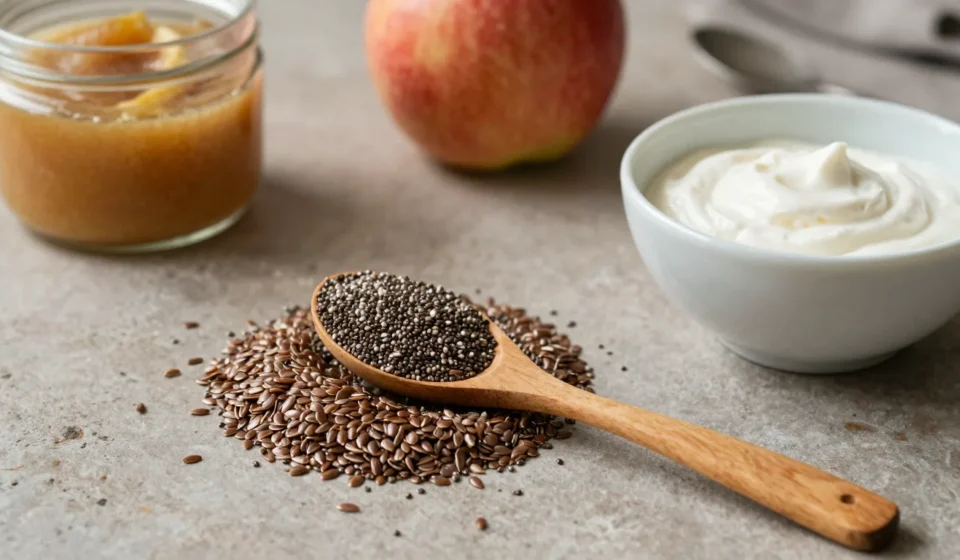
Ground flaxseed or chia seeds mixed with water form a gel that mimics egg whites. For one egg, mix 1 tablespoon seeds with 3 tablespoons water, let sit 5 minutes.
For many, flax and chia are the go-to egg substitutes baking solutions because they're simple and nutritious.
Flax eggs work best in hearty baked goods like muffins, pancakes, and oatmeal cookies. They add a nutty flavor and fiber.
Chia seeds create a similar gel with a slightly thicker texture.
Applesauce and Other Fruit Purées
Unsweetened applesauce adds moisture and natural sweetness. Use ¼ cup per egg.
It works beautifully in cakes, brownies, and quick breads. Applesauce is one of the most popular egg substitutes baking ingredients.
Mashed banana (½ small banana per egg) adds flavor and density. Pumpkin purée works similarly.
These fruit-based swaps reduce fat and add sweetness, so adjust sugar in the recipe.
Commercial Egg Replacers: Quick and Reliable
Products like Bob's Red Mill Egg Replacer or Ener-G are starch-based and designed for all-purpose baking. They create structure without flavor.
Just mix with water and add to batter.
These are ideal for delicate cakes and cookies where you don’t want flavor interference. They are especially good for those with allergies to nuts, gluten, or soy.
Silken Tofu: Creamy and Protein-Rich
Blend ¼ cup silken tofu until smooth for one egg. It adds moisture and protein, making baked goods dense and fudgy.
Perfect for brownies, cheesecakes, and pudding-like textures.
Tofu is neutral in flavor, so it can be used in both sweet and savory baking. It also helps with browning and binding.
Yogurt and Buttermilk: Tangy Tenderizers
Plant-based yogurt or buttermilk (made by adding lemon juice to non-dairy milk) works as an egg substitute. Use ¼ cup per egg.
The acidity helps leaven and tenderize.
These work best in pancakes, scones, and muffins where a slight tang is welcome. They also add moisture and a soft crumb.
Aquafaba: The Miracle of Canned Chickpeas
The liquid from canned chickpeas whips into a foam just like egg whites. Use 3 tablespoons for one egg white.
It's ideal for meringues, mousses, and macarons.
For whole eggs, use 2 tablespoons aquafaba per egg. It can be whipped to stiff peaks and baked into light, airy textures.
Carbonated Water for Lightness
Replace one egg with ¼ cup carbonated water. The bubbles add lift, making cakes and pancakes fluffier.
This works best in recipes that already have a binder like flour or starch.
It adds no flavor or fat, so adjust other ingredients for moisture and richness. Combine with applesauce for extra tenderness.
Choosing the Right Substitute
No single egg swap works for every recipe. Consider the role eggs play: binding, leavening, or moisture.
For binding, use flax or chia. For lightness, use aquafaba or carbonated water.
Experiment with different options. Keep notes on texture and taste.
Over time, you'll develop intuition for which swap fits your favorite bakes.
Egg Substitutes Baking: Endless Possibilities
Eggless baking opens doors for more inclusive treats. By mastering these seven egg substitutes baking options, you can adapt almost any recipe to dietary needs. Gastronomy & Food celebrates such creativity.
For more on plant-based baking, explore BBC Good Food’s guide and Kitchn’s expert tips.