
Why Wine Belongs in Your Pan
Wine is more than a beverage—it’s a culinary powerhouse. Proper cooking with wine tips transform simple ingredients into layered, aromatic creations.
The alcohol evaporates, leaving behind acids, tannins, and fruit that deepen flavor.
Choosing the right wine matters. A dry white adds brightness to seafood; a robust red enriches braised meats.
The golden rule: never cook with a wine you wouldn’t drink. Its character will concentrate during cooking.
Choosing the Right Wine for Your Dish
Match the wine’s body and acidity to the dish. Light, crisp whites (like Sauvignon Blanc) pair with delicate fish or cream sauces.
Full-bodied reds (like Cabernet Sauvignon) stand up to red meats and rich stews.
Avoid sweet wines for savory cooking; their sugars caramelize unpredictably. For a touch of sweetness, consider a dry Riesling or Marsala in moderation.
These cooking with wine tips will help you avoid flavor mismatches.
Mastering Deglazing: A Chef’s Best Friend
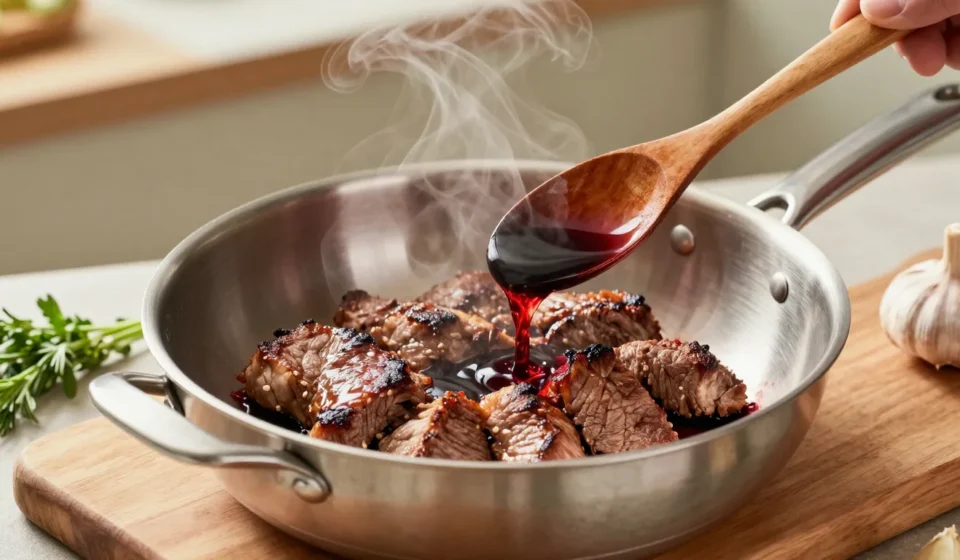
Deglazing releases the fond—browned bits stuck to the pan after searing—into a flavorful liquid. After cooking meat, pour off excess fat, add wine, and scrape with a wooden spoon.
The wine lifts the fond, creating a quick sauce that’s packed with flavor.
Use a wine you’d serve at the table. Reduce by half for concentrated essence.
Finish with butter or stock for silkiness. This technique works wonders for pork chops, chicken, and mushrooms.
How to Deglaze Properly
Work in a hot pan. Add wine while the pan is still sizzling.
Let it bubble and reduce, scraping continuously. A splash of stock extends the sauce.
Season lightly—wine already brings salt and acidity. Following these cooking with wine tips ensures a perfect deglaze.
Marinating with Wine: Tenderize and Infuse
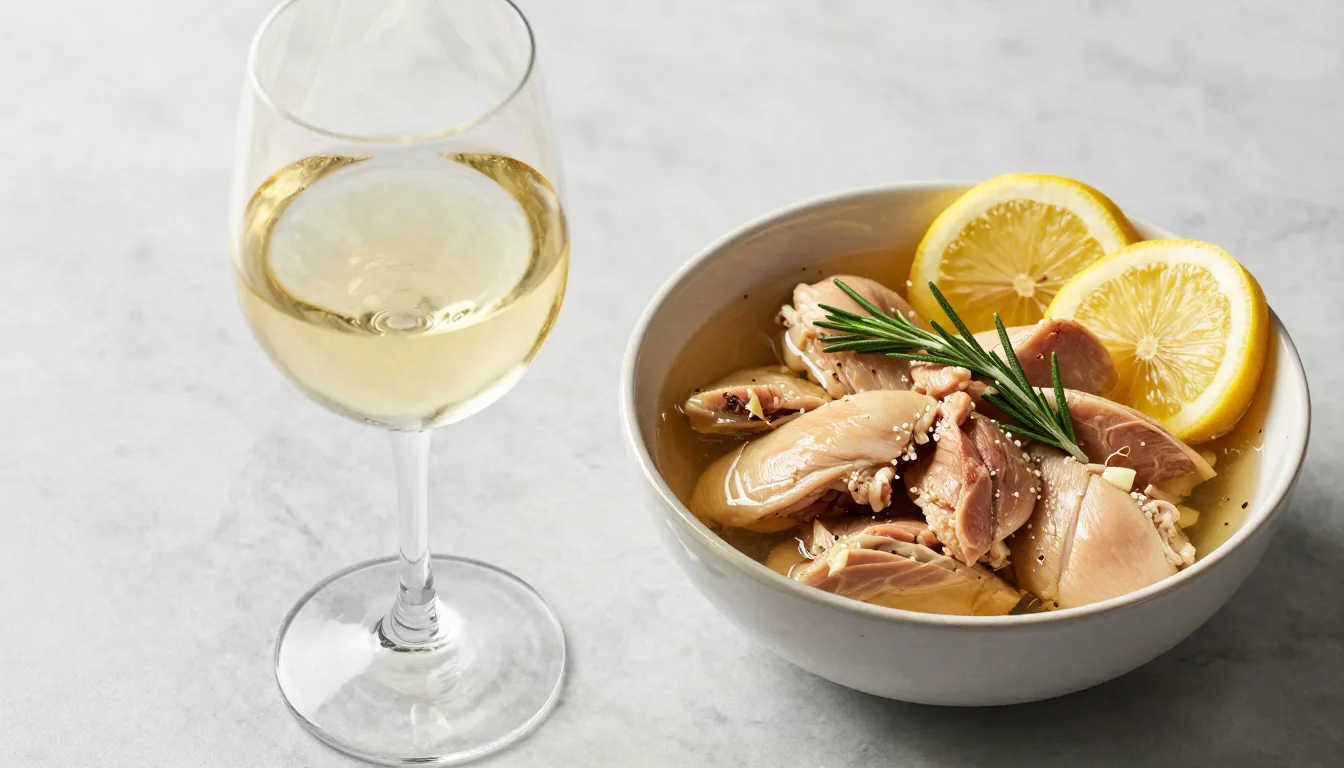
Wine’s acidity and enzymes break down proteins, making it an ideal marinade. Combine wine with aromatics like garlic, herbs, and olive oil.
Avoid over-marinating: 2–4 hours for delicate fish, up to 12 for tough cuts.
Red wine pairs with beef or lamb; white wine suits chicken and pork. For extra depth, add a splash of vinegar or citrus.
Always pat meat dry before cooking to ensure browning. These are essential cooking with wine tips for marinades.
Building Sauces: From Reduction to Finish
Sauces are where wine shines. A simple pan sauce starts with deglazing, then reduces to a syrupy consistency.
Add cream for richness, or tomato paste for body. Finish with cold butter to emulsify and gloss.
Explore classics: coq au vin uses Burgundy; risotto demands dry white. For dessert, a fortified wine like Port or Sherry adds complexity to chocolate or fruit sauces.
Use these cooking with wine tips to elevate your sauces.
Essential Cooking with Wine Tips to Elevate Your Dishes
Store leftover wine for cooking: freeze in ice cube trays for easy portions. Avoid cooking wines from supermarkets—they’re loaded with salt and preservatives.
Instead, use everyday table wines. Another tip: add wine early in the cooking process to mellow its acidity.
Acidity brightens fatty dishes; tannins provide structure. For a non-alcoholic substitute, try broth with a splash of vinegar.
But nothing replicates wine’s depth. These cooking with wine tips are foundational for any home cook.
Common Mistakes and How to Avoid Them
Using poor-quality wine is a common error. Cheap wines can turn dishes bitter or overly acidic.
Always choose a wine you enjoy drinking. Another mistake: adding too much wine.
Start with a small amount and adjust—you can always add more, but you can’t remove it.
Don’t skip the reduction step. Reducing wine concentrates flavors and evaporates most of the alcohol.
Finally, balance with salt and other seasonings. These cooking with wine tips will save you from kitchen disasters.
Discover more culinary wisdom in our Gastronomy & Food category. For further reading, explore Wine Spectator’s guide and Food & Wine’s tips.