
Common Risotto Mistakes and Their Fixes
Risotto is a labor of love—a dish that demands patience, feel, and a few non-negotiable techniques. Yet even experienced cooks fall prey to the same risotto mistakes that turn a silky masterpiece into a gluey, crunchy, or soupy mess. Understanding these pitfalls is the first step toward risotto nirvana.
From the shores of Lombardy to your stovetop, risotto is about coaxing starch from short-grain rice. But one misstep—like using cold broth—can halt the alchemy entirely.
Let’s dissect the five most common errors and how to sidestep them.
Mistake #1: Choosing the Wrong Rice
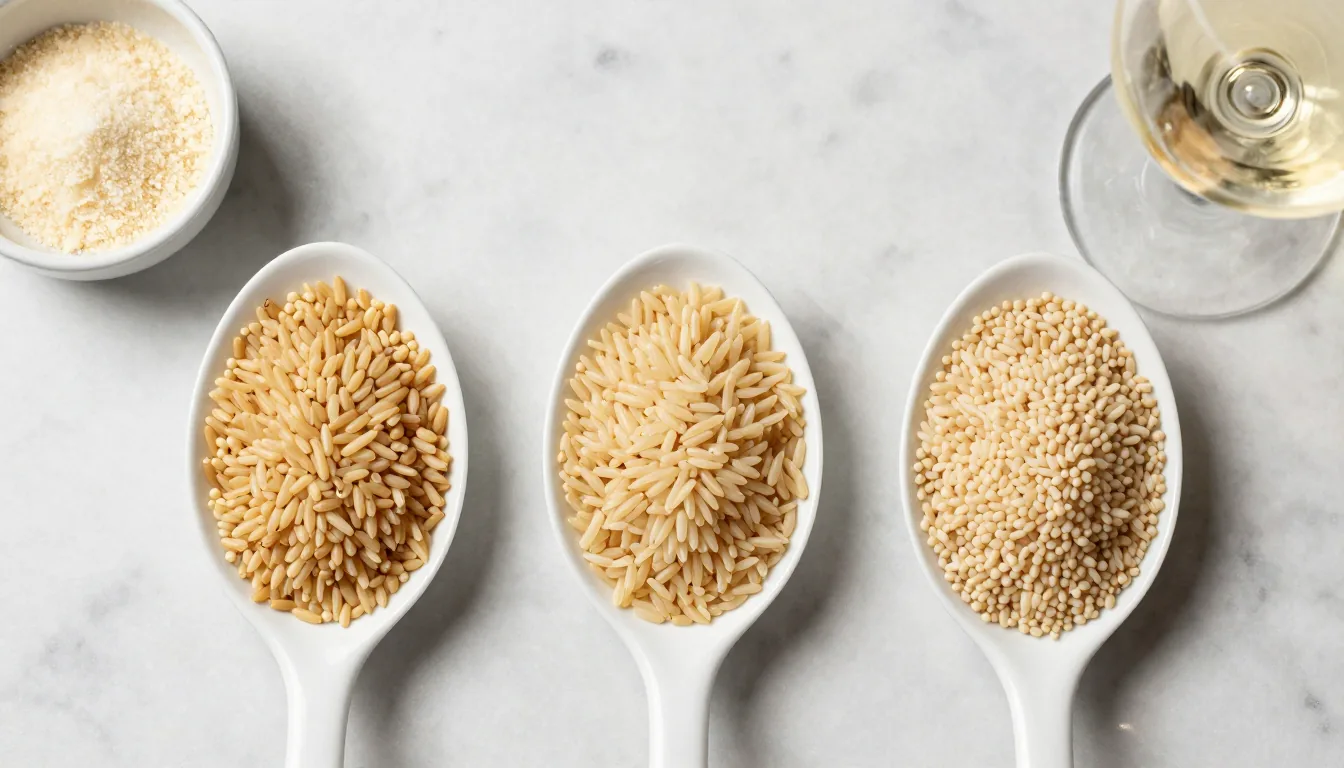
Not all rice is created equal. Long-grain varieties like basmati lack the high amylopectin (starch) content needed for that signature creaminess.
For authentic risotto, stick to carnaroli, vialone nano, or arborio—each with a firm core that holds its shape while releasing starch gradually.
Carnaroli is the gold standard: plump grains with a high starch-to-fiber ratio, giving the creamiest result with the least risk of overcooking. Vialone nano absorbs less liquid and yields a looser texture, perfect for seafood risottos.
Arborio is more forgiving but can turn mushy if stirred too vigorously.
Always rinse your rice? Never—unless you want to wash away the very starch that builds the risotto’s body.
The dusty coating is your ally.
Many risotto mistakes stem from incorrect rice handling.
Mistake #2: Adding Cold Broth
Imagine shocking a simmering pan with icy liquid. The temperature drop forces the rice grains to seize up, slowing starch release and extending cooking time unevenly.
The result? A chalky core and weepy exterior.
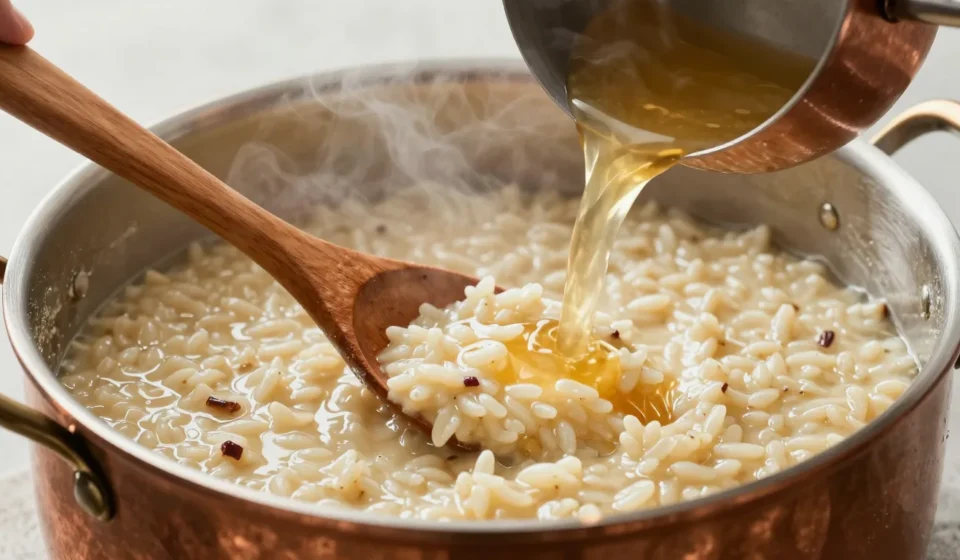
Solution: Keep your broth or stock at a gentle simmer in a separate pot. Add it ladle by ladle, allowing each addition to be absorbed before the next. This maintains a constant temperature, encouraging steady starch release and that flowing, wave-like consistency called all’onda.
Pro tip: Use a wide, shallow pan to increase evaporation, which concentrates flavor. And yes, homemade stock is superior, but a good quality low-sodium broth works in a pinch. For a detailed guide on broth, check out Serious Eats’ risotto broth tips.
Mistake #3: Over-Stirring (or Under-Stirring)
Stirring is essential—but the frequency matters. Stirring coaxes starch from the rice, but constant agitation can break the grains, turning the risotto into baby food.
Conversely, too little stirring leads to uneven cooking and scorching on the bottom.
The fix: Stir slowly and deliberately with a wooden spoon, about every 30 seconds. This rhythm releases enough starch without smashing the grains.
As the liquid level drops, increase stirring to prevent sticking.
The final “mantecatura” (mounting with butter and cheese) requires vigorous stirring to emulsify fat into the starch gel.
Remember: The spoon should meet some resistance; the risotto should never be soupy or stiff.
Mistake #4: Rushing the Toasting Phase
Skipping the toasting step is a cardinal sin. Raw rice added directly to hot liquid will never develop the nutty aroma and firm bite that define a well-made risotto.
The toasting phase—about 2–3 minutes over medium heat—coats each grain with fat and partially gelatinizes the outer starch, a crucial barrier against overcooking.
After toasting, add a splash of wine (dry white or red, depending on the dish) and let it evaporate completely. This acid note brightens the final flavor.
The grains should appear translucent with a white center—that’s the sign of proper toasting.
One of the most overlooked risotto mistakes is skipping this step even if you’re in a hurry.
Don’t skip this step even if you’re in a hurry. Five extra minutes here saves you from a bland, mushy end product.
Mistake #5: Forgetting the Mantecatura
The final mounting—mantecatura—is the secret to restaurant-quality risotto. Off the heat, vigorously beat in cold butter and finely grated Parmesan or Grana Padano.
This emulsifies the fat into the starch, creating a creamy finish that coats the back of a spoon.
Many home cooks serve straight from the stove, leading to a separated, greasy texture. Instead, let the risotto rest for 1–2 minutes after mantecatura.
The starch molecules relax, and the texture becomes more homogeneous.
Add a final drizzle of extra virgin olive oil for sheen and aroma.
For a dairy-free version, use a nut-based “butter” and nutritional yeast, but know that the classic Parmigiano is irreplaceable in authenticity. Many risotto mistakes stem from skipping this final step; learn more about mantecatura from The Spruce Eats’ guide.
Embrace the Ritual
Risotto is not a weeknight shortcut—it’s a meditation. Each ladle of broth, each slow stir builds flavor and texture. By avoiding these five risotto mistakes, you honor the grain, the tradition, and your own taste buds.
Ready to dive deeper? Explore more Gastronomy & Food articles on classic Italian techniques. And remember, practice makes perfect—even a slightly flawed risotto is still a warm, comforting bowl of love.