

The Ancient Art of Cultured Wellness
Fermentation is one of humanity’s oldest culinary traditions, a gentle alchemy that transforms simple ingredients into probiotic powerhouses. The fermented foods benefits extend far beyond tangy flavors, reaching deep into our gut microbiome and immune system. From Korean kimchi to creamy yogurt and effervescent kombucha, these living foods offer a delicious path to vitality.
When we eat fermented foods, we ingest live beneficial bacteria—lactobacillus, bifidobacterium, and others—that colonize our intestines. These microbes help break down nutrients, produce vitamins, and crowd out harmful pathogens.
Modern science confirms what our ancestors knew: a healthy gut is the foundation of overall health.
Science of Probiotics: How They Work
The gut is home to trillions of microorganisms, collectively called the microbiome. Probiotics from fermented foods help maintain this ecosystem’s balance.
They strengthen the intestinal barrier, reducing inflammation and preventing toxins from entering the bloodstream. This process directly supports immune function, as 70% of our immune cells reside in the gut.
Kimchi: Korea’s Spicy Gift to Digestion
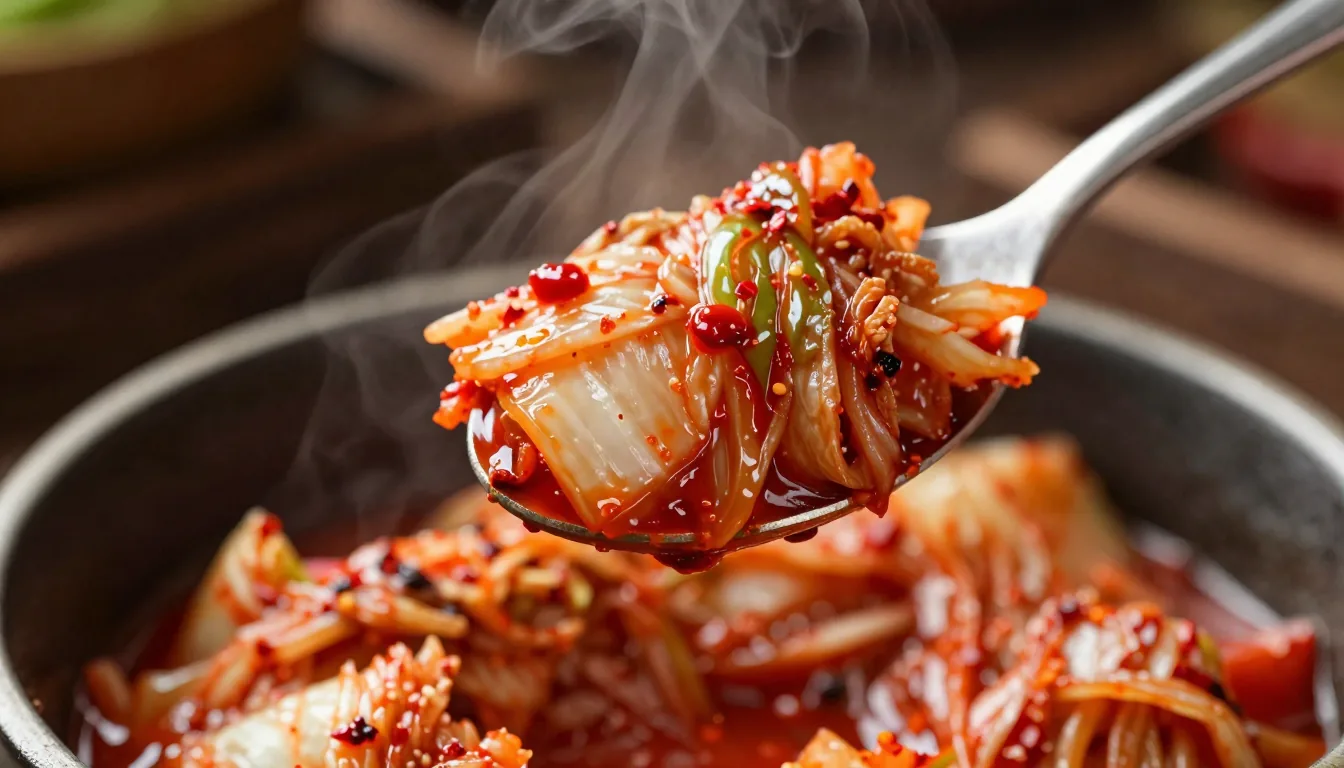
Kimchi, made from fermented cabbage, radishes, and spices, is rich in lactic acid bacteria, particularly Leuconostoc kimchii. Studies show that regular consumption can lower cholesterol, improve insulin sensitivity, and reduce oxidative stress.
The garlic and ginger add anti-inflammatory compounds, while the fermentation process increases bioavailability of vitamins B and C. A serving of kimchi with each meal is a fiery, probiotic-rich ritual.
Yogurt: Creamy Cultures for Daily Balance
Yogurt has been cherished for millennia, with strains like Lactobacillus bulgaricus and Streptococcus thermophilus transforming milk into a thick, tangy delight. The live cultures in yogurt help alleviate lactose intolerance by breaking down lactose, and they also support gut motility.
For maximum fermented foods benefits, choose plain, unsweetened yogurt with live and active cultures. Pair with berries and a drizzle of honey for a gut-healing breakfast.
Beyond Digestion: Immunity and Mental Health
The gut-brain axis connects our digestive system to our mood. Probiotics can influence neurotransmitter production, such as serotonin, reducing anxiety and depression symptoms.
Fermented foods also enhance the production of short-chain fatty acids, which feed colon cells and reduce inflammation—a key driver of chronic diseases. Kombucha, a fermented tea, adds antioxidants from the tea itself, plus organic acids that support detoxification.
Kombucha: Fizzy Elixir of Microbial Life
This effervescent drink is brewed from sweet tea and a SCOBY (symbiotic culture of bacteria and yeast). During fermentation, the SCOBY produces acetic acid, glucuronic acid, and B vitamins.
These compounds may aid liver detoxification and boost energy. The live probiotics in kombucha vary by batch, but regular consumption can diversify your gut flora.
Start with small amounts to let your digestive system acclimate.
How to Incorporate Fermented Foods
Begin with one serving of yogurt or kefir per day. Add a spoonful of sauerkraut or kimchi to salads or grain bowls.
Sip a small glass of kombucha as an afternoon refresher.
Experiment with miso paste in soups or tempeh in stir-fries. Each fermented food brings unique bacterial strains, so variety is key. The cumulative fermented foods benefits blossom over time, from better digestion to a stronger immune response.
Maximizing Fermented Foods Benefits in Your Daily Diet
To truly harness the power of these live cultures, aim for at least one serving of fermented food at every meal. For instance, add kimchi to your lunch bowl, sip kefir in the morning, and enjoy a side of sauerkraut with dinner. The consistent intake of diverse probiotics is crucial for reaping the fermented foods benefits across your entire body.
For more on the art of fermentation and other Gastronomy & Food topics, explore our library. Discover how these living foods connect us to tradition and to our own biology.
Expert Perspectives and Further Reading
To dive deeper, visit the Cleveland Clinic’s guide to fermented foods or read the research from NCBI on gut microbiota. These resources validate the profound impact of fermented foods benefits on human health.