
The Art of Keeping Herbs Alive
Storing fresh herbs properly can transform a dish from ordinary to extraordinary. Yet their delicate nature often leads to wilted, slimy bundles within days.
Mastering the art of storing fresh herbs is essential for any home cook.
The secret lies in mimicking their natural environment—balancing moisture, airflow, and temperature. Basil, cilantro, and parsley each have unique needs.
Treating them all the same way invites premature decay.
Best Practices for storing fresh herbs
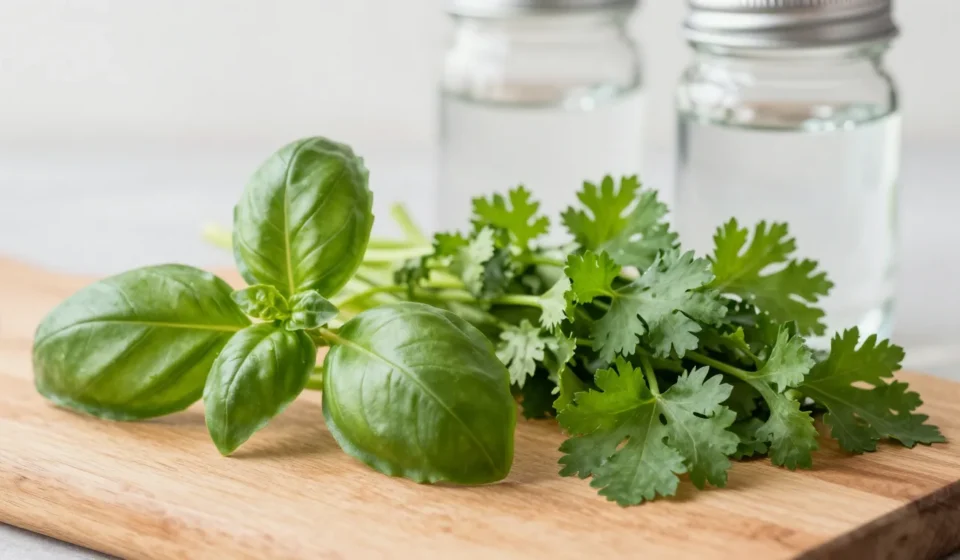
Begin by trimming the stems and removing any yellowed or bruised leaves. For tender herbs like basil, avoid refrigeration—store them on the counter in a glass of water.
Cover loosely with a plastic bag and change the water every two days.
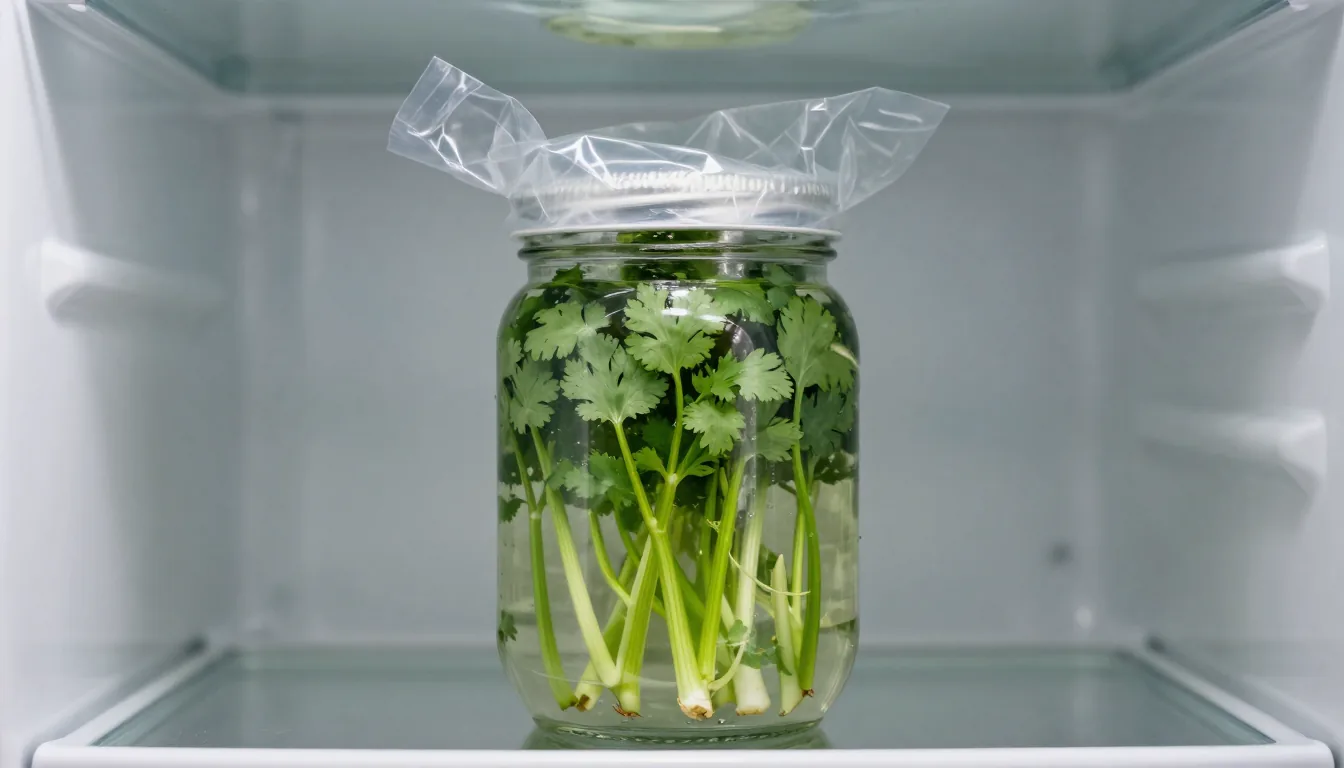
Cilantro and parsley thrive in the fridge. After trimming, place them in a jar with an inch of water and cover loosely with a plastic bag.
Alternatively, wrap them in a damp paper towel inside a sealed container.
Both methods maintain humidity without suffocating the leaves. These herbs can last up to two weeks when properly cared for.
Check water levels every few days to prevent mold.
Herb Storage for Mint and Dill
Mint and dill benefit from the same refrigerated jar method as cilantro. Trim stems and remove lower leaves to prevent them from sitting in water.
Change the water every few days and discard any slimy stems promptly.
These herbs will stay fresh for up to two weeks. For hardier herbs like rosemary, thyme, and sage, dry storage works best.
Wrap them in dry paper towels and place in a perforated bag in the refrigerator.
They can last three weeks or more when kept dry. Avoid washing until just before use to prevent mold.
This method preserves their essential oils and flavor.
Freezing and Drying Options
For long-term storage, consider freezing. Chop herbs, pack them into ice cube trays with olive oil or water, and freeze.
Use these cubes directly in soups, stews, or sauces for instant flavor.
Drying works well for rosemary, thyme, and oregano—hang bundles upside down in a dark, airy space. Alternatively, use a dehydrator at low temperature.
Store dried herbs in airtight containers away from light.
Another creative method is to infuse herbs into butters or oils. Blend softened butter with chopped herbs, roll into logs, and freeze.
Thaw as needed for spreads or cooking.
Choosing the Right Container
Glass jars are ideal for water storage as they are easy to clean and see water levels. Avoid metal containers that can react with herbs.
For dry storage, use perforated plastic bags or containers with ventilation holes to regulate humidity.
Mason jars with lids can work if you leave the lid slightly ajar. The goal is to balance moisture while allowing some airflow.
Experiment with different setups to see what works best in your kitchen environment.
Avoid Common Pitfalls
Never store basil in the fridge—cold temperatures blacken its leaves. Keep cilantro and parsley away from ethylene-producing fruits like apples and tomatoes.
Discard any wilted or slimy stems immediately to prevent rot from spreading.
Also, avoid overcrowding in storage containers to allow airflow. Revive wilted herbs by submerging them in ice water for 10 minutes, then trim stems and store properly.
This technique restores crispness and extends shelf life.
Understanding storing fresh herbs means knowing each herb's personality. Basil loves room temperature and sunlight, while parsley prefers cold and dampness.
By tailoring your approach, you reduce waste and save money.
For comprehensive tips, explore our Gastronomy & Food archive. With these strategies, your herbs will stay vibrant for up to three weeks. Experiment with different methods to find what works best for your kitchen.
For further reading, check out Serious Eats’ guide and BBC Good Food’s tips. Proper storage elevates your cooking and reduces food waste.