
Understanding the Meringue Foundation
These macaron recipe tips start with understanding the meringue foundation. The soul of a macaron lies in its meringue.
For French macarons, a simple meringue made from egg whites and sugar must be whipped to stiff, glossy peaks.
The key is to use aged egg whites—separate them a day in advance, store in the fridge, and bring to room temperature before use. This reduces moisture, allowing for a more stable foam.
When whipping, add sugar gradually once the whites are frothy.
Continue beating until peaks are stiff but not dry. Over-whipping can cause the structure to break, leading to cracked shells.
The meringue should feel smooth and hold its shape firmly when the whisk is lifted.
Choosing the Right Egg Whites
Fresh eggs are not ideal; aged whites have slightly lower pH, which helps the meringue form stronger bonds. Alternatively, use pasteurized egg whites from a carton for consistency.
Some bakers swear by adding a pinch of cream of tartar or a drop of lemon juice for extra stability.
Temperature is crucial—cold whites don't whip as well. Let them sit on the counter for at least 30 minutes before whipping.
This small step can make a big difference in volume and texture.
Macaron Recipe Tips: The Art of Macaronage
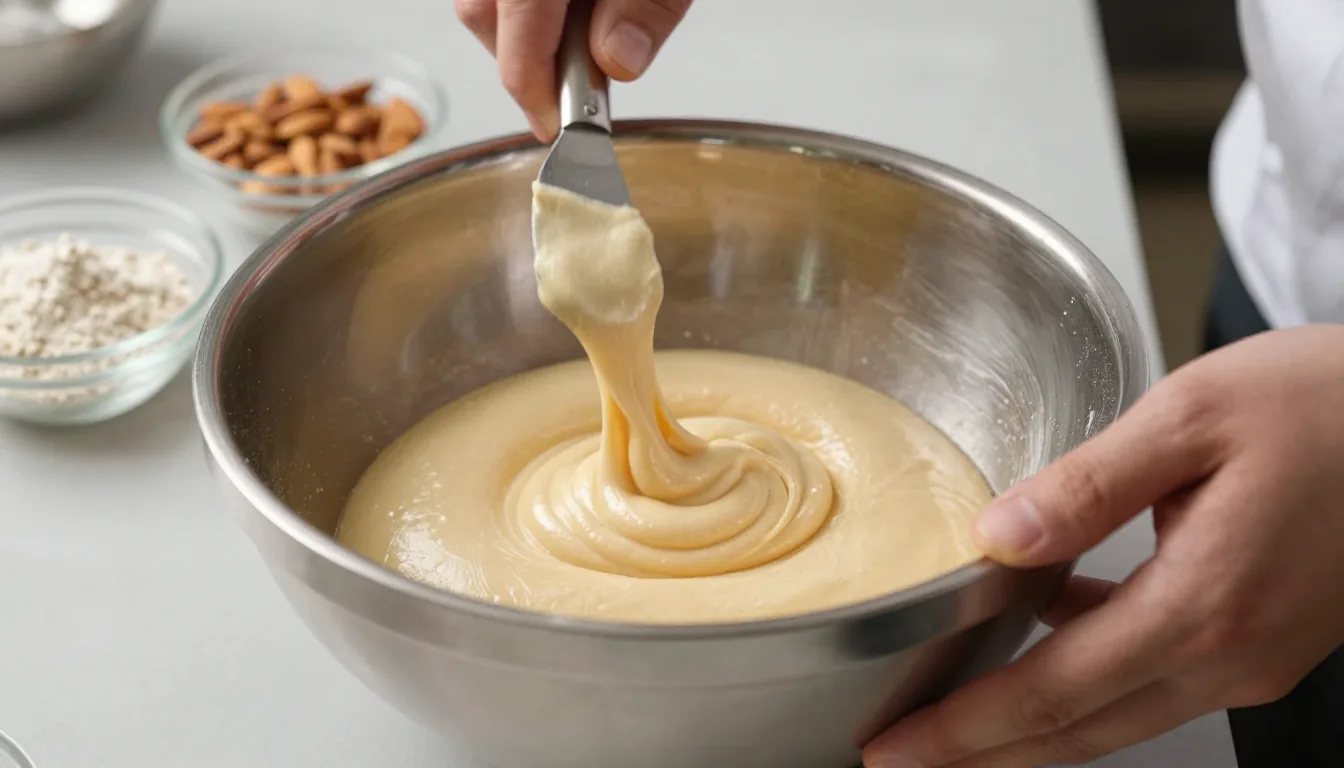
Macaronage is the folding process that incorporates the almond flour and powdered sugar into the meringue. It is the most critical step in the macaron recipe tips journey.
Overmix and the batter becomes too runny; undermix and the shells will have peaks and no feet.
The goal is a batter that flows like lava, forming a ribbon that folds back into itself after a few seconds. Use a spatula and cut through the center, folding the outer batter over the top.
Rotate the bowl as you go.
Test frequently: lift the spatula and draw a figure eight—the ribbon should sink slowly back into the batter within 10–15 seconds.
Testing the Batter
A simple test is to place a small dollop of batter on a plate. If the edges remain distinct, it needs more folding.
If it spreads into a smooth circle with no peaks, the consistency is right.
Avoid the temptation to overwork; stop immediately when the batter reaches the ribbon stage.
Temperature and humidity affect macaronage. On humid days, the batter may require more folds; on dry days, fewer.
Trust your senses—the batter should look shiny and smooth, not grainy or greasy.
Baking and Troubleshooting
Piping and Resting
Pipe the batter onto parchment-lined baking sheets, holding the piping bag perpendicular and hovering just above the surface. Apply steady pressure and stop with a quick twist.
Tap the sheet firmly on the counter to release air bubbles and help the domes settle.
Resting is non-negotiable. Let the piped shells sit at room temperature until a skin forms—typically 30–60 minutes.
One of the most important macaron recipe tips is to ensure the shells are dry to the touch, not tacky. This skin guarantees the famous “feet” during baking.
If you skip this, the shells will crack.
Oven Temperature and Timing
Preheat your oven to 300–320°F (150–160°C). Each oven is different; a convection setting may require lower temperature.
Bake one tray at a time in the center rack.
After 7 minutes, check for feet. The total bake time is usually 12–15 minutes.
To test, gently touch a shell—it should feel firm and not wiggle.
If it moves, bake another minute.
Cool completely on the sheet before peeling off the parchment. If shells stick, they are underbaked.
Fillings can be buttercream, ganache, or jam. Assemble the shells with filling, then refrigerate overnight for the flavors to meld and shells to soften slightly.
Flavor Variations and Fillings
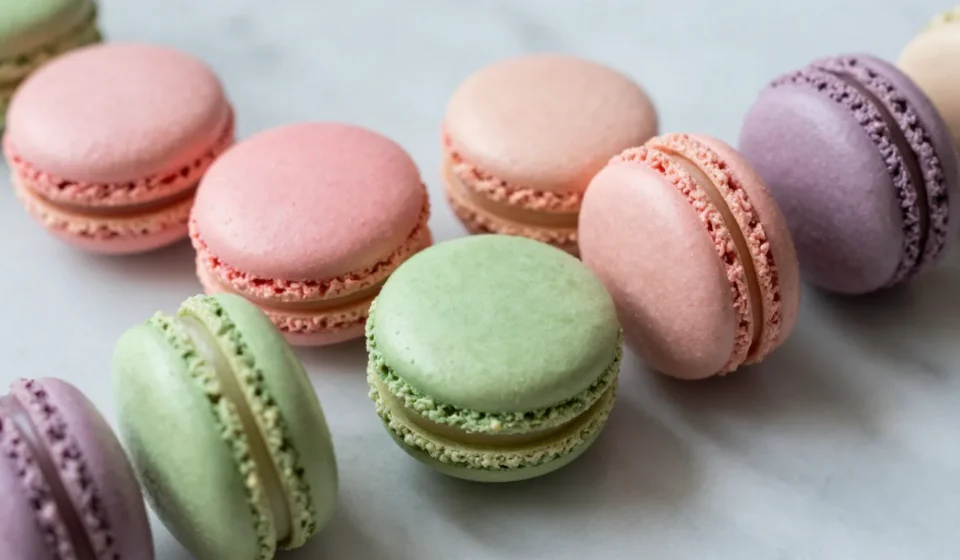
Once you master the basic technique, experiment with flavors. Add cocoa powder to the almond flour for chocolate, or freeze-dried fruit powder for vibrant colors.
Use food coloring gels sparingly.
For the filling, consider classic Italian meringue buttercream, dark chocolate ganache, or tangy lemon curd.
Finally, these macaron recipe tips extend to fillings as well: patience is key. Each batch teaches you something new.
For deeper insights, explore more Gastronomy & Food articles. You can also find excellent guides on Serious Eats and The Spruce Eats.
Happy baking!