
Understanding Gluten in Bread Science: How It Shapes Texture
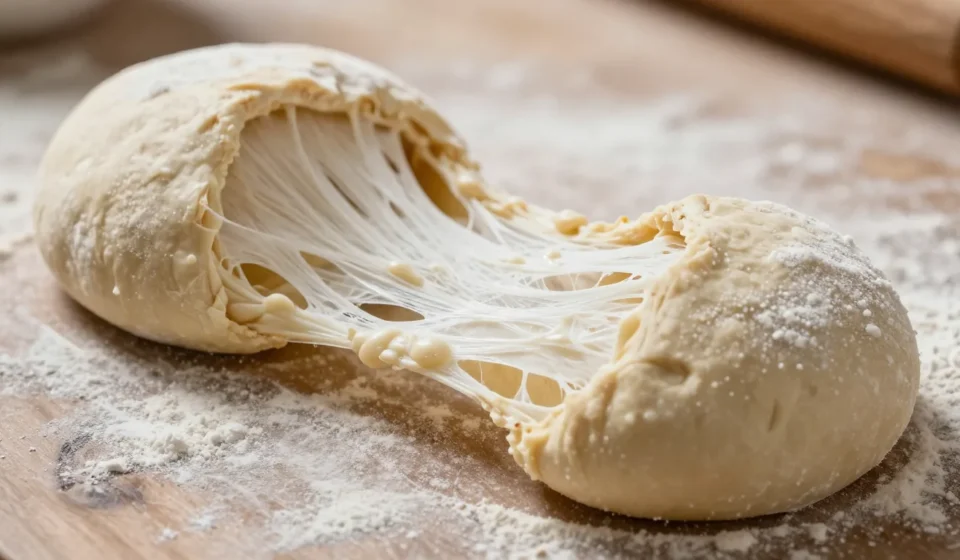
Bread is a miracle of transformation, and at its heart lies the complex dance of gluten in bread science. When flour meets water and is kneaded, two proteins—glutenin and gliadin—combine to form a viscoelastic network that traps gas and gives bread its structure.
This network is what allows dough to stretch without tearing, capturing carbon dioxide produced by yeast. Mastering gluten in bread science is the key to transforming simple ingredients into airy loaves.
The result is a light, airy crumb and a satisfying chew.
Understanding the molecular interactions between glutenin and gliadin is key. Glutenin provides strength, while gliadin adds extensibility.
Their ratio in different flours determines dough behavior and final crumb texture.
The Role of Hydration and Fermentation in Gluten Formation
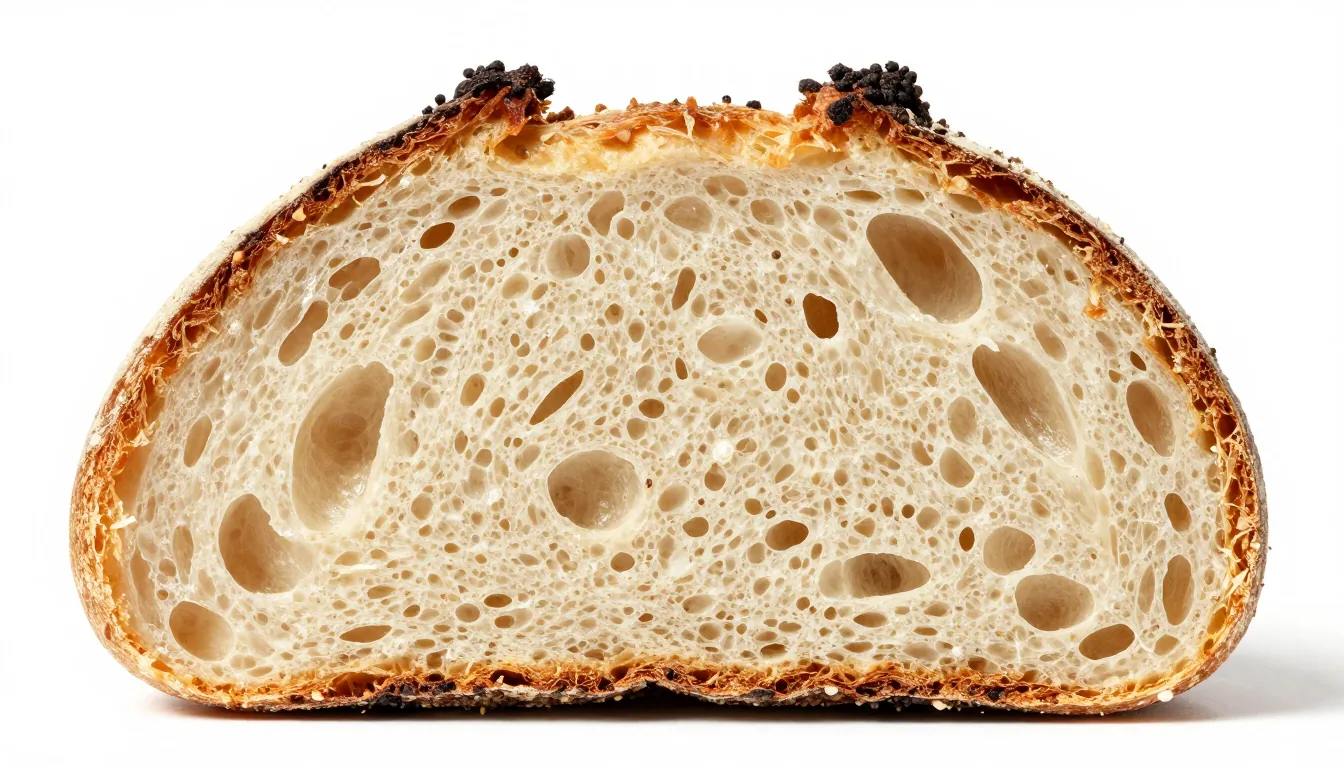
Water content directly influences gluten strength, a core concept in gluten in bread science. Higher hydration flours, like those used for ciabatta, encourage longer strand formation, yielding an open crumb.
Lower hydration yields tighter baguette-like textures.
Fermentation further develops gluten through enzymatic activity. As yeast and bacteria produce acids, they gently break and re-form bonds, making the dough more extensible.
This is where the practical understanding of gluten in bread science really pays off. Long, slow fermentation deepens both flavor and structure.
Temperature also affects gluten development. Warmer dough speeds up fermentation but weakens gluten if too hot.
Cooler fermentation, around 50°F, allows for gradual protein bond formation, enhancing final texture.
Understanding Dough Elasticity and Extensibility
Elasticity allows dough to snap back; extensibility lets it stretch. Balancing these is key to mastering gluten in bread science.
Over-kneading produces tough, overly elastic dough; under-kneading leads to weak, sticky messes. The windowpane test—stretching dough thin enough to see light—tells you when gluten is optimally developed.
For more on artisan techniques, explore our Gastronomy & Food section.
Why Flour Protein Content Matters
Different flours have varying protein percentages. Bread flour (12–14% protein) creates strong gluten, ideal for yeasted loaves.
All-purpose flour (10–12%) works for softer breads, while pastry flour (8–9%) produces tender, low-gluten results.
Whole grain flours contain bran that cuts gluten strands, so they often require longer kneading or added vital wheat gluten. Understanding these nuances helps you choose the right flour for the bread you crave, and deepens your grasp of gluten in bread science.
Stone-ground flours preserve more germ and bran, which can hinder gluten formation.
Roller-milled flours are finer and produce more consistent gluten networks. Adjust your recipe accordingly.
The Role of Salt in Gluten Strength
Salt tightens the gluten network, making it more elastic. Without salt, dough becomes sticky and difficult to shape.
Just 2% salt (by flour weight) improves structure and controls fermentation.
Too much salt, however, inhibits yeast activity and toughens gluten. Measure precisely for best results.
Common Gluten Mistakes and How to Avoid Them
- Too much flour: Dry dough prevents gluten from forming. Stick to soft, tacky consistency.
- Short kneading: Gluten needs mechanical work. Use the stretch-and-fold method for gentle development.
- Over-proofing: Excess fermentation degrades gluten, causing collapse. Watch for doubled size, but no more.
Avoid these common pitfalls to harness the full potential of gluten in bread science. For a deep dive, check out resources from King Arthur Baking and Serious Eats.
Mastering Gluten for Different Breads
Each bread style demands a unique gluten profile. Airy ciabatta needs high hydration and strong development.
Crusty baguettes rely on moderate gluten with crisp crust. Soft sandwich bread requires a fine, even crumb from gentle mixing.
The versatility of gluten in bread science allows bakers to create a spectrum of textures, from open crumb to fine grain. Experiment with autolyse—resting flour and water before adding yeast—to naturally boost gluten without over-kneading.
This simple step transforms your baking.
Gluten-free baking uses substitutes like xanthan gum or psyllium husk to mimic gluten’s structure. While different, the principles of hydration and mixing still apply.
In the end, gluten is not just a protein; it's the architect of bread's soul. By understanding its science, you gain control over texture, rise, and that elusive perfect crumb.
The principles of gluten in bread science apply to all breads, from sourdough to brioche. Whether you're a home baker or a professional, grasping gluten in bread science elevates your baking.