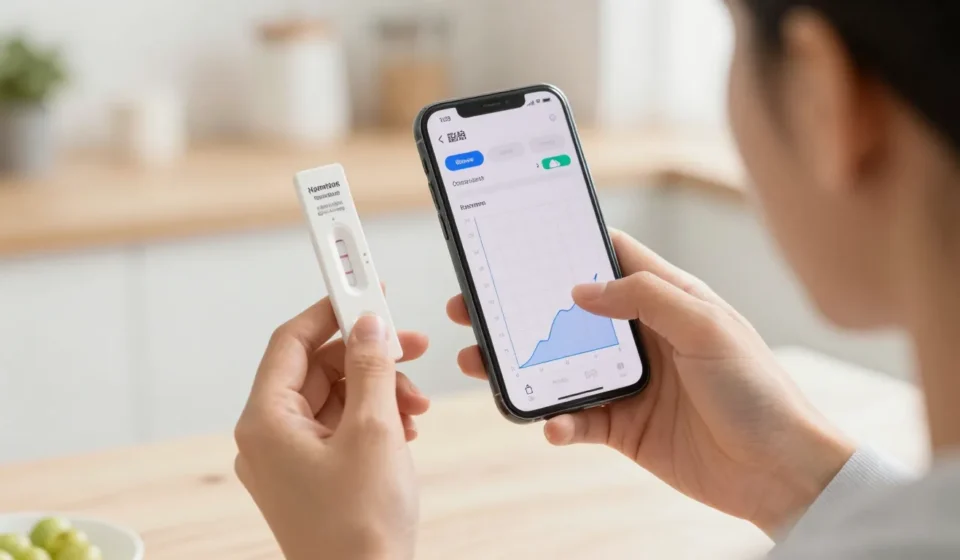

What Does It Mean to Test Biological Age at Home?
Asking how to test biological age at home is one of the most common questions I hear from patients. The concept of biological age—how old your cells act versus your calendar age—has moved from research labs to your mailbox. At-home kits now analyze DNA methylation patterns, the most accurate epigenetic clock, to estimate your aging rate.
But not all tests are created equal. While convenient, these kits have limitations you should understand before ordering.
Let's explore the science, the options, and the caveats.
Epigenetic Clocks: The Gold Standard
The most reputable at-home tests use Horvath's or GrimAge algorithms, which examine methylation at specific CpG sites on your genome. These clocks predict mortality risk and age-related decline with impressive accuracy—within 1–2 years in controlled studies.
Companies like TruAge, Elysium, and myDNAge mail you a saliva collection kit.
You send it back, and in 2–4 weeks receive a biological age report. A 2023 study in Aging Cell validated these home tests against lab-based methods, showing high reproducibility. This is the most reliable method to test biological age at home.
Blood Biomarker Tests: An Alternative Approach
Another way to test biological age at home involves blood biomarkers, such as HbA1c, C-reactive protein, and telomere length. InsideTracker and Everlywell offer home blood spot tests that estimate biological age based on metabolic and inflammatory markers.
These tests are less accurate than epigenetic clocks for measuring aging rate but provide actionable data on organ-specific health. For example, high HbA1c suggests accelerated biological age due to glucose stress, while low vitamin D may correlate with faster aging.
They still allow you to test biological age at home affordably and with ease.
Top 7 At-Home Biological Age Tests
1. TruAge (Epigenetic)
TruAge uses the DunedinPACE clock, which tracks the pace of aging. It's one of the few validated against clinical outcomes.
This kit lets you test biological age at home with validated precision.
2. myDNAge (Epigenetic)
Developed by Dr. Steve Horvath's lab, myDNAge uses the original Horvath clock.
It's considered the benchmark. Using myDNAge, you can test biological age at home and get results backed by decades of research.
3. Elysium Index (Epigenetic + Biomarkers)
Elysium combines epigenetic age with blood biomarkers for a comprehensive score. Cost: ~$500.
You can test biological age at home with Elysium's comprehensive panel.
4. InsideTracker (Biomarker-Based)
InsideTracker uses blood markers like glucose, lipids, and inflammation to estimate biological age. Cost: ~$200–$500 based on panel.
5. Everlywell Biological Age Test (Biomarker)
Everlywell’s home finger-prick test measures key aging biomarkers. Cost: ~$200.
6. GlycanAge (Glycan-Based)
GlycanAge analyzes immunoglobulin G glycosylation patterns, a unique aging clock. Cost: ~$250.
7. Chronomics (Epigenetic + Lifestyle)
Chronomics offers an epigenetic test with lifestyle recommendations. Cost: ~$350.
What Your Results Mean—and Don’t Mean
A biological age higher than your chronological age is linked to increased risk of chronic disease and mortality. A 2021 meta-analysis in JAMA Network Open found that a 5-year acceleration raises all-cause mortality risk by 15%. It is important to understand that when you test biological age at home, results are a snapshot, not a destiny.
However, single measurements are limited. Biological age can fluctuate with lifestyle interventions like diet, exercise, and sleep.
Also, at-home tests may miss genetic variants affecting methylation, reducing accuracy for some individuals.
Should You Try an At-Home Biological Age Assessment?
If you are curious about your aging rate and willing to pay ~$200–$500, these kits provide a fascinating data point. But don't treat them as diagnostic—they are a tool to guide healthier habits.
If you decide to test biological age at home, invest in a reputable kit.
For a deeper dive into longevity tracking, check our Health & Wellness archive.
Before buying, ensure the company publishes peer-reviewed validation. Reputable brands are transparent about their algorithms.
Avoid tests that promise to “reverse” your age; no at-home kit can do that reliably.
Final Thoughts
To test biological age at home is now easier than ever. Choose an epigenetic test for accuracy or a biomarker test for actionability. Use results as motivation, not a verdict.
For more on evidence-based longevity, see NIA Research or this review on aging clocks. Remember: the best anti-aging intervention is a healthy lifestyle—no test replaces that.