
Saving for a down payment on a house can feel overwhelming, but a clear save for a down payment timeline makes the process manageable. This guide offers a realistic roadmap with seven actionable steps to help you reach your goal without stress.
Whether you’re aiming for a 5% or 20% down payment, the key is to break down the journey into achievable milestones. By understanding how much you need, setting a timeline, and optimizing your savings strategy, you can turn homeownership into a reality.
Save for a Down Payment Timeline: Your Roadmap
Before diving into the steps, know that a typical timeline ranges from 2 to 5 years depending on your income and savings rate. The faster you save, the sooner you can buy, but it’s essential to balance speed with financial health.
Let’s explore each step in detail, starting with calculating your target down payment. Your save for a down payment timeline will become clearer as you progress.
1. Understand Your Target Down Payment
Your first task is to determine how much you need to save. This depends on the home price and the loan type you qualify for.
Conventional loans often require 5–20% down, while FHA loans allow as little as 3.5%.
Use online mortgage calculators to estimate a realistic home price based on your income. Then multiply that by your target down payment percentage to get your savings goal.
Also, consider your credit score, as it affects loan terms. A higher score may reduce the required down payment percentage.
2. Set a Realistic Timeline for Your Goal
Now that you have a dollar amount, divide it by your monthly savings capacity to find your timeline. For example, a $20,000 goal at $500 per month takes 40 months (3.3 years).
Be honest with yourself about how much you can consistently save each month. Adjust your timeline upward if needed—better to have a longer, achievable plan than a short, unrealistic one.
Remember to factor in potential raises or bonuses. A save for a down payment timeline should be flexible enough to accommodate life changes.
3. Cut Expenses to Boost Your Savings Rate
Review your monthly spending for areas to trim. Common savings include dining out, subscription services, and unused gym memberships.
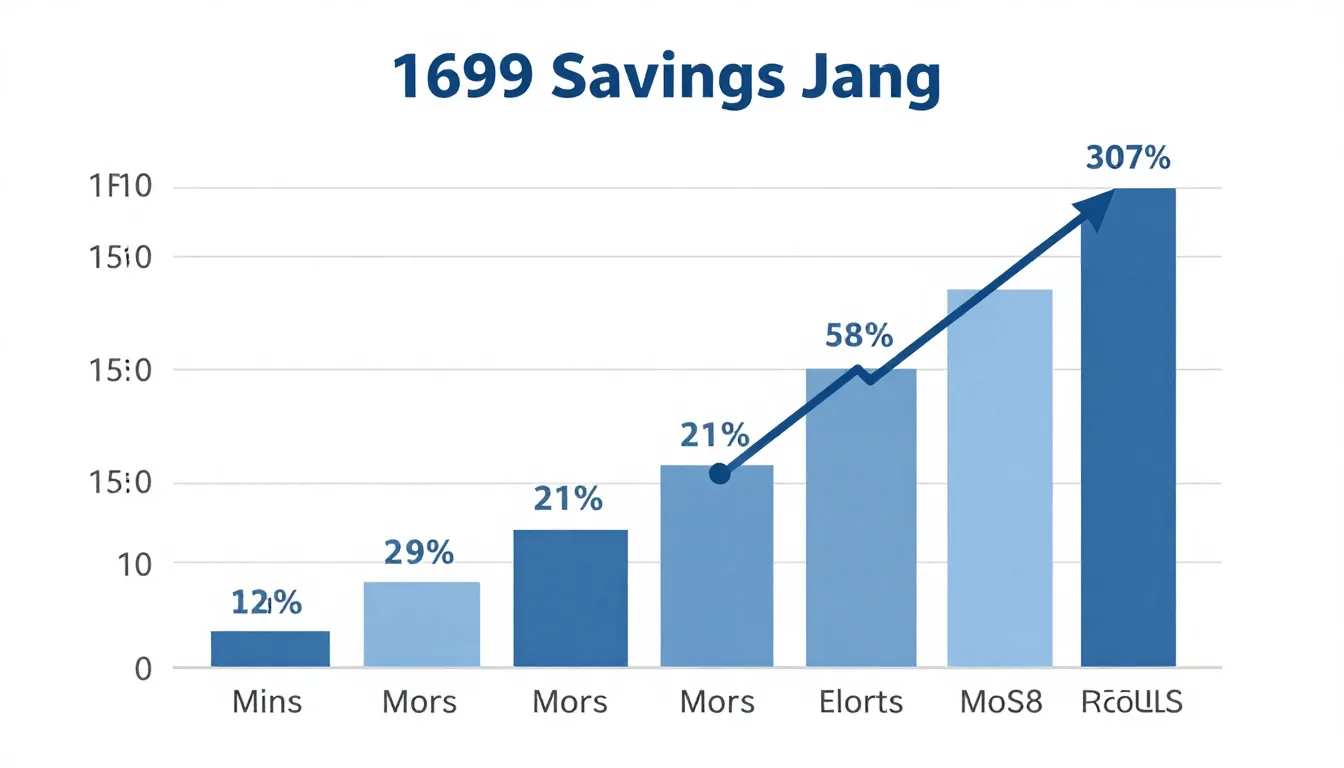
Aim to redirect 10–20% of your income toward your down payment fund.
Even small cuts add up. For instance, saving $200 per month by eating at home more can shorten your timeline by months.
Track your progress regularly to stay motivated.
4. Increase Income Through Side Hustles
Freelancing, part-time work, or selling unused items can accelerate your progress. Use the extra income solely for your down payment fund.
Consider gig economy platforms or monetizing a hobby. Even an extra $300 per month can significantly reduce your timeline and bring homeownership sooner.
5. Choose the Right Savings Vehicle
Keep your down payment money in a high-yield savings account (HYSA) or a certificate of deposit (CD) ladder. These offer better returns than a regular checking account while keeping funds accessible.
Money market accounts are another option. Compare interest rates at online banks to maximize your earnings without risk.
Avoid risky investments like stocks for short-term goals.
6. Automate Your Savings Plan
Set up automatic transfers from your checking account to your dedicated down payment account. This removes temptation and ensures consistent progress.
Treat your savings like a fixed monthly bill. Automation is one of the most effective ways to stay on track and hit your save for a down payment timeline faster.
7. Avoid Common Down Payment Mistakes
Don’t withdraw from retirement accounts or take on high-interest debt to fund your down payment. Also, avoid buying a home before you have a stable emergency fund.
Stick to your timeline and resist the urge to rush. The housing market will have opportunities when you’re ready. For more advice, visit our Personal Finance section.
Additional resources include the CFPB’s Home Buying Guide and Bankrate’s Mortgage Calculator. These tools can help refine your down payment planning.