
The Case for Sustainable Construction
Building with green building materials isn’t just about being eco-friendly—it’s a smart financial move. These green building materials often reduce long-term energy costs and increase property value. Whether you’re constructing a new home or renovating, understanding which options deliver real returns is key.
Green Building Materials: Comparing Costs and Benefits
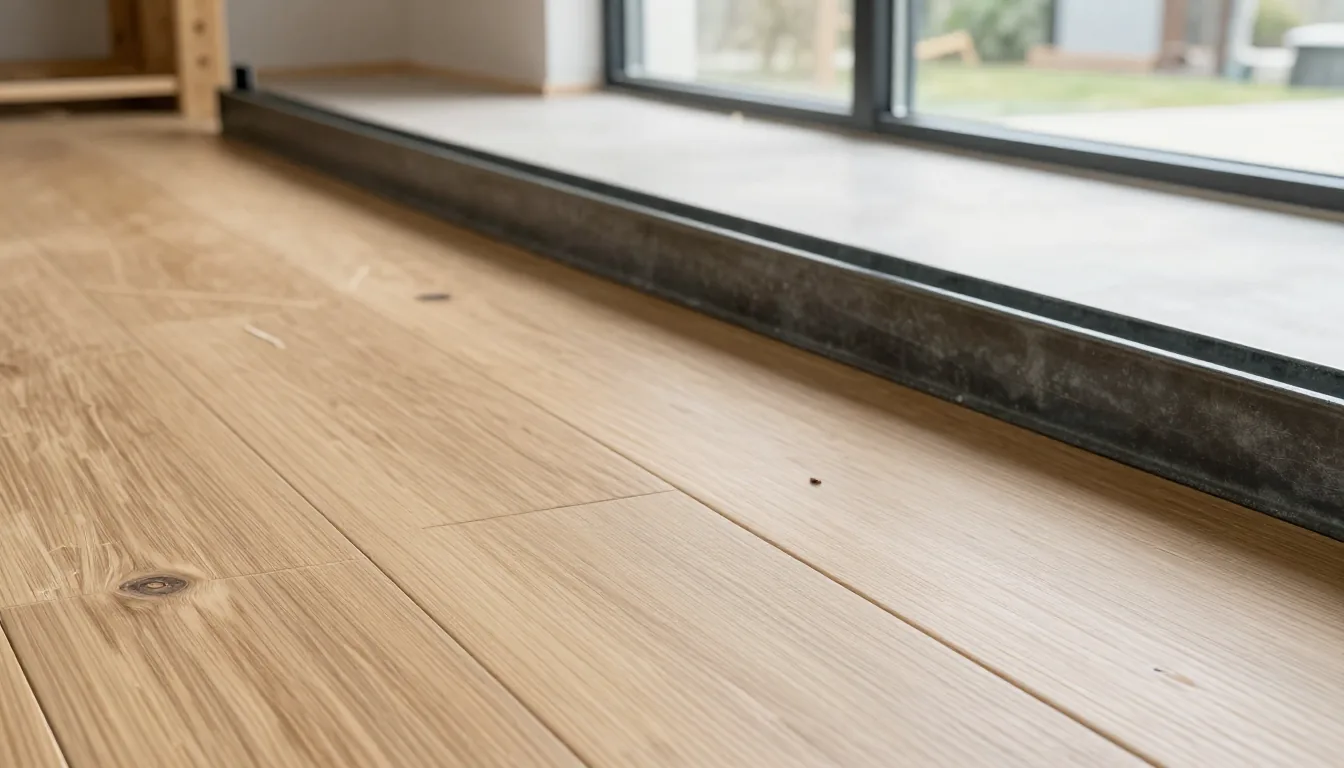
Bamboo is a standout choice among green building materials due to its rapid renewability. It grows quickly, sequesters carbon, and offers strength comparable to traditional hardwoods.
Upfront costs are similar to oak, but bamboo's durability and low maintenance make it a solid long-term investment.
Recycled steel reduces mining waste and energy consumption significantly. It is strong, fire-resistant, and can be infinitely recycled without loss of quality.
While initial costs are higher than wood, its longevity offsets that over time, especially in structural applications.
Bamboo: Rapidly Renewable Strength
Bamboo floors, panels, and structural elements are popular in sustainable design. As a green building material, it regenerates in just three to five years, making it one of the fastest-growing renewable resources.
Ensure you source from certified sustainably managed forests to avoid ecological harm.
Bamboo also offers excellent tensile strength, often surpassing steel in certain applications. Its natural beauty and versatility make it a desirable choice for both interior and exterior use.
Combined with proper treatment, bamboo can last for decades with minimal upkeep.
Recycled Steel: Durable and Resource-Saving
Using recycled steel cuts down on mining waste and energy consumption by up to 75%. It provides excellent strength and fire resistance, and can be recycled repeatedly without degradation.
Although the upfront cost is higher than wood, the long-term savings on maintenance and replacement make it worthwhile.
Steel is also resistant to pests and mold, adding to its durability. It is commonly used for framing, roofing, and reinforcement.
Choosing recycled content reduces the environmental footprint of your project significantly.
Cork: Insulation with a Low Impact
Cork is harvested from the bark of cork oak trees without killing them, making it renewable. It provides excellent thermal and acoustic insulation, reducing energy needs for heating and cooling.
While pricier than foam insulation, it is natural, nontoxic, and has a lower carbon footprint.
Cork also resists moisture and pests, and it is fire retardant naturally. It is often used for flooring, wall tiles, and insulation boards.
Its unique texture and comfort underfoot add appeal for residential projects.
Rammed Earth: Thermal Mass for Efficiency
Rammed earth walls offer high thermal mass, which regulates indoor temperatures by absorbing heat during the day and releasing it at night. Material costs are low if soil is sourced on-site, but labor is intensive.
This technique works best in dry climates and contributes to energy-efficient design.
Rammed earth also provides excellent soundproofing and durability. With proper sealing, it can last centuries.
The natural appearance and connection to the earth make it a favorite for sustainable architecture.
Cross-Laminated Timber (CLT): Carbon-Negative Construction
CLT is engineered wood that stores carbon and can replace concrete in mid-rise buildings. Though costlier than conventional materials, it reduces construction time and offers a unique aesthetic.
It also provides excellent structural performance and fire resistance.
CLT panels are prefabricated, leading to less waste and faster assembly. The carbon sequestration benefits are substantial, as the wood locks away CO2 for the building's lifetime.
This material is increasingly used in Europe and North America for green buildings.
Straw Bales: Affordable Insulation
Straw bales are a low-cost, renewable insulation material with high R-values. They are often sourced locally, reducing transportation emissions.
When properly sealed and plastered, they provide effective thermal performance and are a great option for eco-friendly builds.
Straw bale construction is relatively simple and can be a DIY-friendly project. The thick walls create deep window sills and a cozy interior.
However, careful moisture management is essential to prevent rot.
Hempcrete: Natural Insulation with Carbon Capture
Hempcrete is a biocomposite made from hemp hurds and lime binders. It is lightweight, breathable, and has excellent thermal and acoustic insulation properties.
Hemp absorbs CO2 during growth, making the material carbon-negative.
Hempcrete is non-toxic, mold-resistant, and regulates humidity naturally. It is typically used as infill in timber frame construction.
While not structural, it reduces energy demand significantly and improves indoor air quality.
Making Informed Choices for Your Project
Evaluate life-cycle costs, local availability, and climate suitability when selecting green building materials. Look for Sustainability & Ecology resources to guide your decisions.
For deeper insights, check out resources like BuildingGreen and GreenSpec. Remember, the best eco-friendly building material is the one that fits your specific needs and environment.