
Smart Shopping Habits to Cut Waste
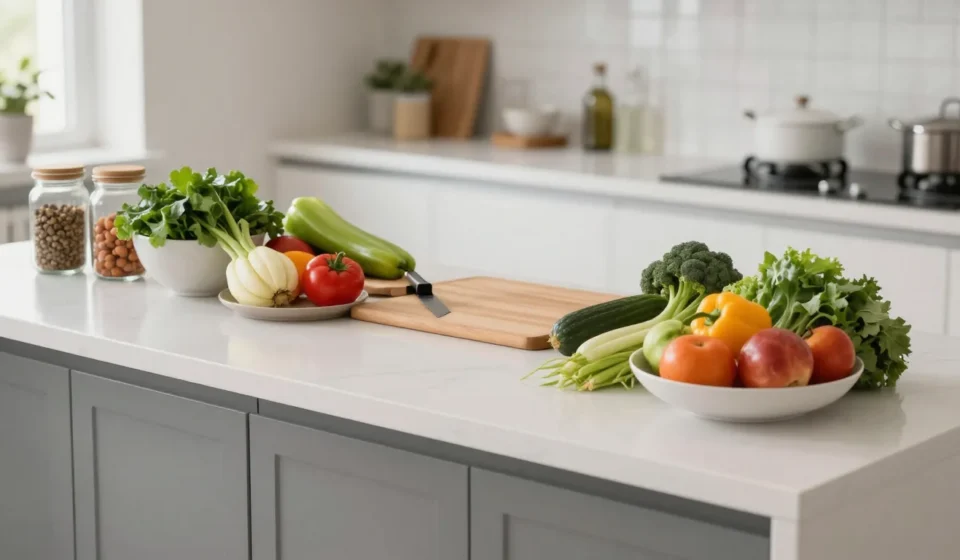
Start by planning your meals before heading to the store. These reduce food waste tips begin with a simple list to prevent impulse buys.
Check your pantry and fridge first to avoid duplicates. Buy only what you need for the week.
Consider shopping more frequently for fresh items. This reduces the chance of overbuying and forgetting produce in the back of the fridge.
Stick to your list and avoid bulk unless you’ll use everything. Smaller, more frequent trips keep your fridge manageable.
Storage Secrets That Keep Food Fresh Longer
Store fruits and vegetables correctly to extend their life. For example, keep apples in the fridge and potatoes in a cool, dark place.
Use airtight containers for opened packages. Learn which foods emit ethylene gas (like bananas) and separate them from sensitive items like leafy greens.
This simple trick can add days to freshness. Invest in reusable produce bags or containers that control humidity.
Proper airflow prevents mold and spoilage. Following these reduce food waste tips saves money and food.
Creative Uses for Leftovers and Scraps
Transform leftovers into new meals: turn roasted veggies into soup, or stale bread into croutons. Vegetable scraps can be frozen for stock.
Use fruit peels to infuse water or make vinegar. Even coffee grounds can be used as a scrub or garden fertilizer.
Think twice before tossing anything. These reduce food waste tips make the most of every bite.
Implement These Reduce Food Waste Tips Daily
Set a weekly “use it up” night where you combine leftovers. Label and date items in the fridge to track what needs eating first.
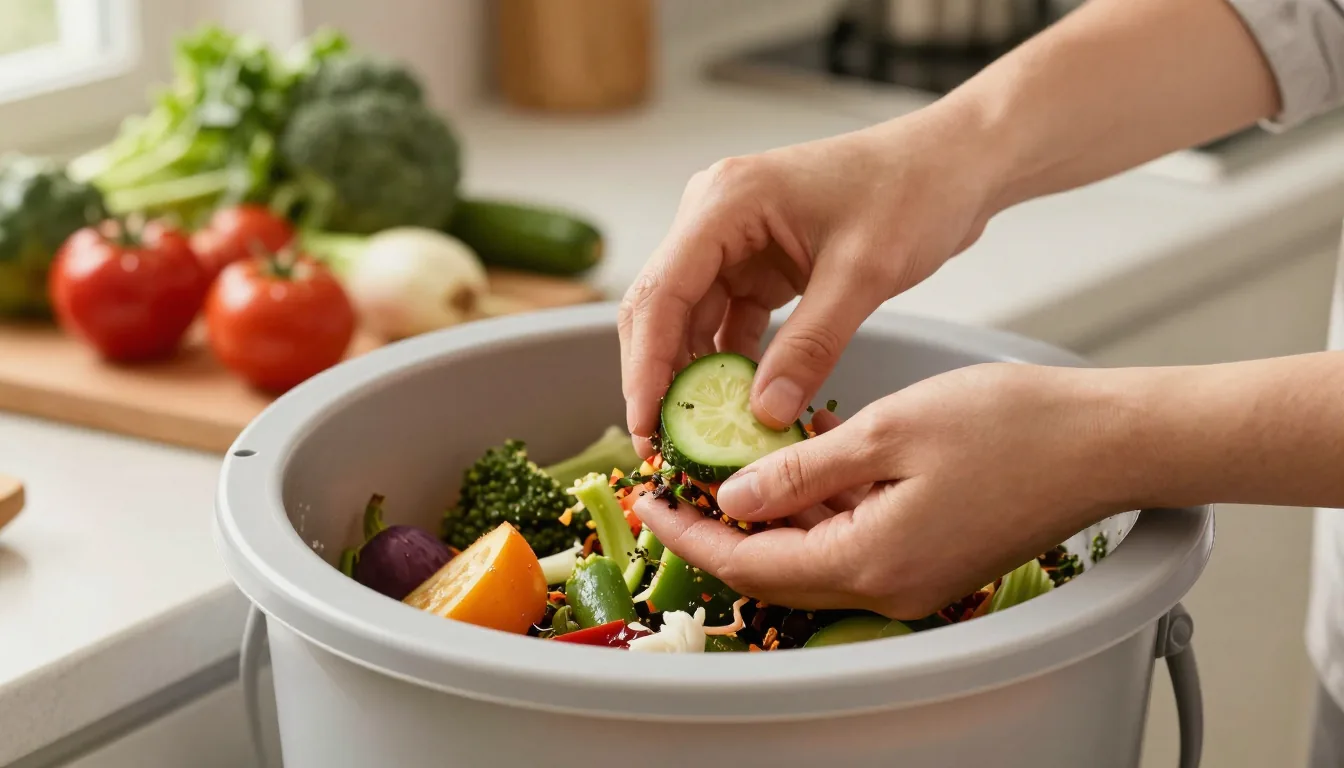
Keep a visible list of perishables on the fridge door. Compost unavoidable scraps like eggshells and coffee grounds.
If you don’t have a garden, check for local composting services. For more tips on living sustainably, explore our Sustainability & Ecology category.
According to the FAO, reducing food waste is key to fighting climate change. Simple changes make a big difference, as noted by the EPA.
Meal Prep Made Simple
Dedicate one hour each week to washing and chopping vegetables. Store them in clear containers for easy grab-and-go access.
This cuts down on forgotten produce. Cook grains and proteins in bulk for quick meals.
Having ready-to-eat components reduces the temptation to order takeout. These reduce food waste tips streamline your routine.
Embrace Imperfect Produce
Odd-shaped fruits and vegetables are just as nutritious. Many stores offer discounts on “ugly” produce.
Using them in soups or smoothies hides any blemishes. Don’t throw away slightly wilted greens—revive them in ice water.
Overripe bananas are perfect for baking or freezing. This is one of the easiest reduce food waste tips to follow.
Proper Portion Control
Serve food on smaller plates to avoid cooking too much. Start with smaller portions and go back for seconds if still hungry.
This prevents leftover overload. Use measuring cups for pasta and rice to cook only what you’ll eat.
Store leftovers immediately in clear containers for tomorrow’s lunch. Portion control is a key reduce food waste tip.
Revive Stale Items
Stale bread makes excellent croutons, breadcrumbs, or French toast. Hard cheese can be grated and frozen.
Limp carrots revive in cold water. Wilted herbs can be chopped and frozen in olive oil for cooking.
Even stale chips can be crisped in the oven. Reviving food is a creative reduce food waste tips trick.
Use Your Freezer Wisely
Freeze leftovers in single-serving portions for quick meals. Freeze fresh herbs, grated ginger, and citrus zest to avoid waste.
Keep a “freeze first” list of items nearing expiration. Frozen bananas are perfect for smoothies, and frozen veggies are great for stir-fries.
This is one of the most effective reduce food waste tips for busy households.
Educate Yourself on Dates
“Best by” dates are often about quality, not safety. Trust your senses—smell and look before tossing.
Many foods are safe after the date. Learn the difference between “use by” and “sell by” dates.
This knowledge can save edible food from the trash. These reduce food waste tips empower you to make informed choices.