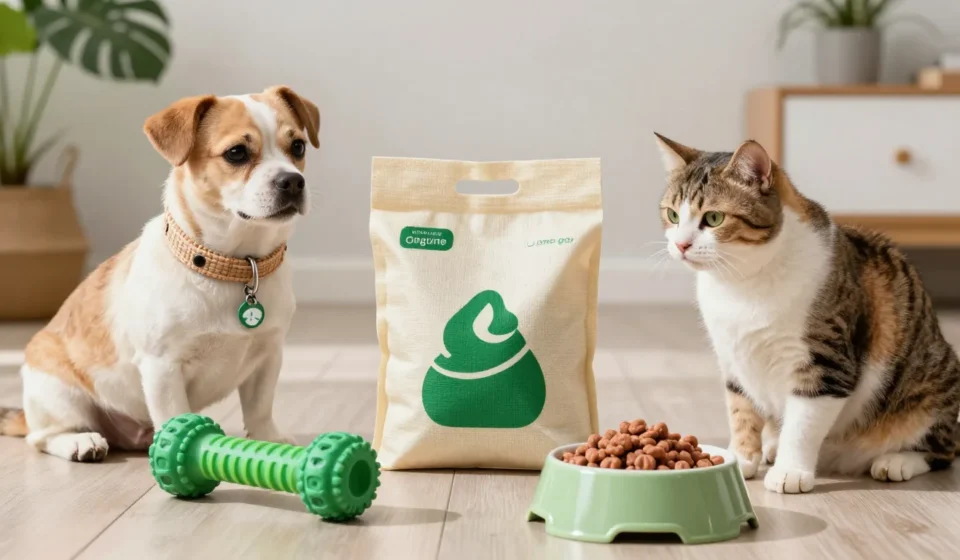

Why Sustainable Pet Care Matters
Every pet owner wants the best for their furry friend, but traditional routines often come with a heavy environmental toll—plastic-packaged kibble and non-biodegradable waste bags contribute to carbon emissions and landfill overflow. Adopting sustainable pet care means making smarter choices that benefit both your pet and the planet.
Let’s explore five impactful changes you can start today.

Eco-Friendly Pet Food: Rethink the Bowl
Pet food production accounts for a significant share of agriculture’s carbon footprint, especially meat-based diets. Switching to brands that use insect protein or plant-based formulas can cut emissions by up to 50%.
Look for certifications like ASC for seafood or organic labels for meats. Better yet, consider homemade meals using locally sourced ingredients—just ensure they meet veterinary nutritional standards.
Buying in bulk reduces packaging waste, and storing food in reusable containers keeps it fresh. When possible, choose recyclable or compostable bags over plastic ones.
Did you know that some companies now offer refill stations for dry kibble? That’s a win-win for your pantry and the environment.
Sustainable Treats and Supplements
Treats often come individually wrapped—a nightmare for plastic reduction. Opt for bulk-buy options or make your own using simple recipes like baked sweet potato slices.
For supplements, look for brands that use glass bottles or compostable pouches. Every small swap adds up.
Toys and Accessories: Choose Durability and Natural Materials
Most pet toys are made from virgin plastics that end up in landfills. Instead, seek out toys crafted from organic cotton, hemp, or recycled materials.
Rope toys from natural fibers and rubber balls from reclaimed materials are excellent choices. Not only do they last longer, but they also avoid microplastic shedding during play—a key aspect of sustainable pet care.
When shopping, support brands that follow circular economy principles—those that take back worn toys for recycling. For beds and collars, look for those stuffed with recycled fibers or kapok.
A durable, well-made bed may cost more upfront but saves resources over time.
DIY Toy Ideas
Repurpose old t-shirts into tug toys or stuff socks with fabric scraps for a fetch ball. Your pet won't know the difference, and you'll keep textiles out of the trash.
It's a simple, creative way to practice sustainable pet care without extra spending.
Waste Management: From Poop Bags to Litter
Pet waste is a major environmental concern. Dog poop bags labeled ‘biodegradable’ often require industrial composting—check certifications like EN 13432.
Better yet, use compostable bags made from cornstarch and dispose of waste in a designated pet compost bin (never use it on edible plants). For cat litter, choose plant-based options like pine, wheat, or recycled paper pellets instead of clay-based clumping litters, which are strip-mined.
This simple switch aligns with sustainable pet care principles.
Flushing pet waste is generally not recommended due to potential pathogens. Instead, bag it and bin it, or consider a septic-friendly system if your municipality allows. Innovations like Poop Power converts waste to energy—a futuristic solution gaining traction.
Grooming the Green Way
Use shampoo bars or refillable bottles for baths. Look for eco-friendly formulas free of parabens and synthetic fragrances that wash into waterways.
Brushes made from bamboo and natural rubber are also easy to find.
Transport and Lifestyle: Lower Your Pet’s Carbon Paw Print
If you drive your pet to the vet or park, try to combine trips. Walking or biking with your dog is not only greener but healthier for both of you.
For cat owners, consider building a catio instead of letting them roam freely—this protects local wildlife and keeps your cat safe.
These actions embody sustainable pet care in daily life.
Finally, spaying or neutering your pet helps control overpopulation, reducing the strain on rescue shelters and associated resource use. Adopting from shelters rather than buying from breeders is the most sustainable choice of all. For more tips on living lighter, explore our Sustainability & Ecology archive.
By integrating these practices, you’re not just improving your pet’s life—you’re contributing to a healthier planet. As consumers demand more sustainable pet care options, the industry will continue to innovate.
Start with one change today, and soon you’ll have a routine that’s kind to all creatures. For further reading, check out Green Pet and the PETA Companion Animal Guide.