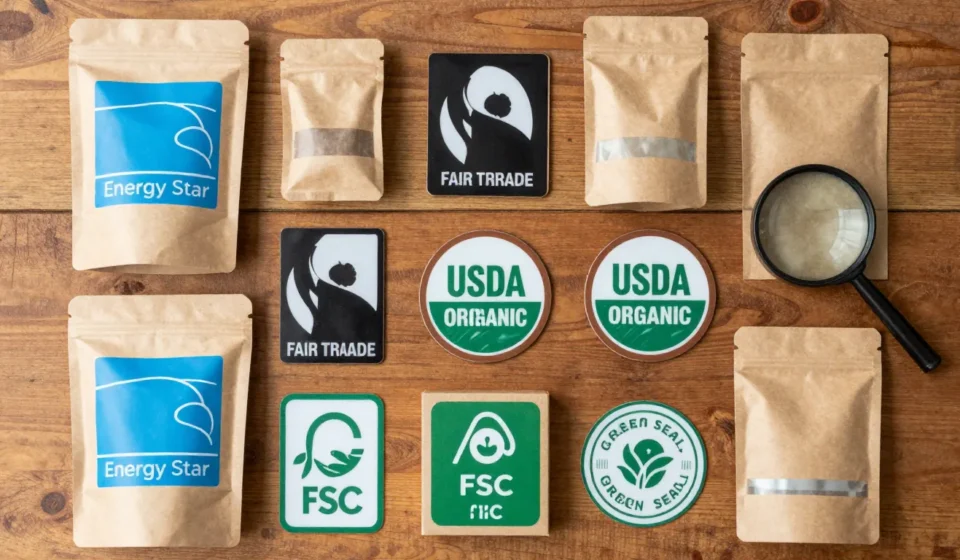
Eco-Labels Exposed: How to Spot Genuine Green Certifications and Avoid Greenwashing

The Problem with Eco-Label Overload
Every product seems to boast a green sticker, but not all are equal. Without a reliable green certifications guide, consumers risk supporting empty claims.
The market is flooded with over 400 ecolabels globally, making it tough to separate substance from marketing fluff.
This confusion is intentional for many brands, which use vague terms like "natural" or "eco-friendly" without third-party verification. That's why a trusted green certifications guide matters more than colorful packaging.
Understanding which labels are credible can save you time and money.
Your Green Certifications Guide: 7 Trustworthy Labels
After years of researching sustainability claims and creating this green certifications guide, I compiled seven labels that pass rigorous standards. These are your shortcuts to genuine green purchasing in everyday products.
Each certification has clear criteria and ongoing oversight.
1. Energy Star
This U.S. government-backed symbol identifies appliances that use 10–50% less energy than standard models.
It’s one of the most recognized and trusted labels for electronics and home equipment. When you see Energy Star, you save money and reduce emissions.
Look for it on fridges, computers, and lighting fixtures. It covers over 70 product categories.
Many utility companies offer rebates for Energy Star purchases.
2. Fair Trade Certified
Fair Trade focuses on ethical production and fair wages for farmers and workers. It also includes environmental criteria like sustainable farming practices.
Products with this label—coffee, chocolate, bananas—ensure your purchase supports communities and the planet.
Fair Trade standards prohibit forced labor and promote safe working conditions. The certification also requires investment in community development projects.
3. USDA Organic
For food and personal care, USDA Organic prohibits synthetic pesticides, GMOs, and sewage sludge. It requires ongoing third-party inspections.
This label is especially critical for produce and dairy, where chemical residues can affect health and ecosystems.
Products must contain at least 95% organic ingredients to carry the seal. It’s one of the most stringent food certifications in the world.
4. Forest Stewardship Council (FSC)
FSC certifies wood, paper, and other forest products from responsibly managed forests. It bans illegal logging and protects biodiversity.
Choose FSC for furniture, packaging, and tissues to avoid contributing to deforestation.
The FSC system includes three labels: FSC 100%, FSC Recycled, and FSC Mix. Each guarantees different levels of responsible sourcing.
5. Cradle to Cradle Certified
This label assesses products across five categories: material health, recyclability, renewable energy, water stewardship, and social fairness. It’s a comprehensive circular economy standard.
Look for it on building materials, clothing, and cleaning products for a true closed-loop choice.
The certification has four levels: Basic, Bronze, Silver, Gold, and Platinum. It encourages continuous improvement rather than a one-time check.
6. Green Seal
Green Seal certifies cleaning, paper, and personal care items for reduced toxicity and environmental impact. It verifies performance too—so you don’t sacrifice quality.
This seal is common on eco-friendly janitorial supplies and office products.
Green Seal standards are developed through a transparent, multi-stakeholder process. The certification also requires companies to comply with all applicable regulations.
7. B Corp Certification
B Corps balance profit with purpose, meeting high social and environmental standards verified by B Lab. Unlike a product label, it’s a whole-company certification.
Support B Corps for businesses that treat people and planet as stakeholders.
B Corp recertification occurs every three years, and the standards are updated regularly. More than 4,000 companies across 80 countries have earned this certification.
How to Verify Green Claims on Your Own
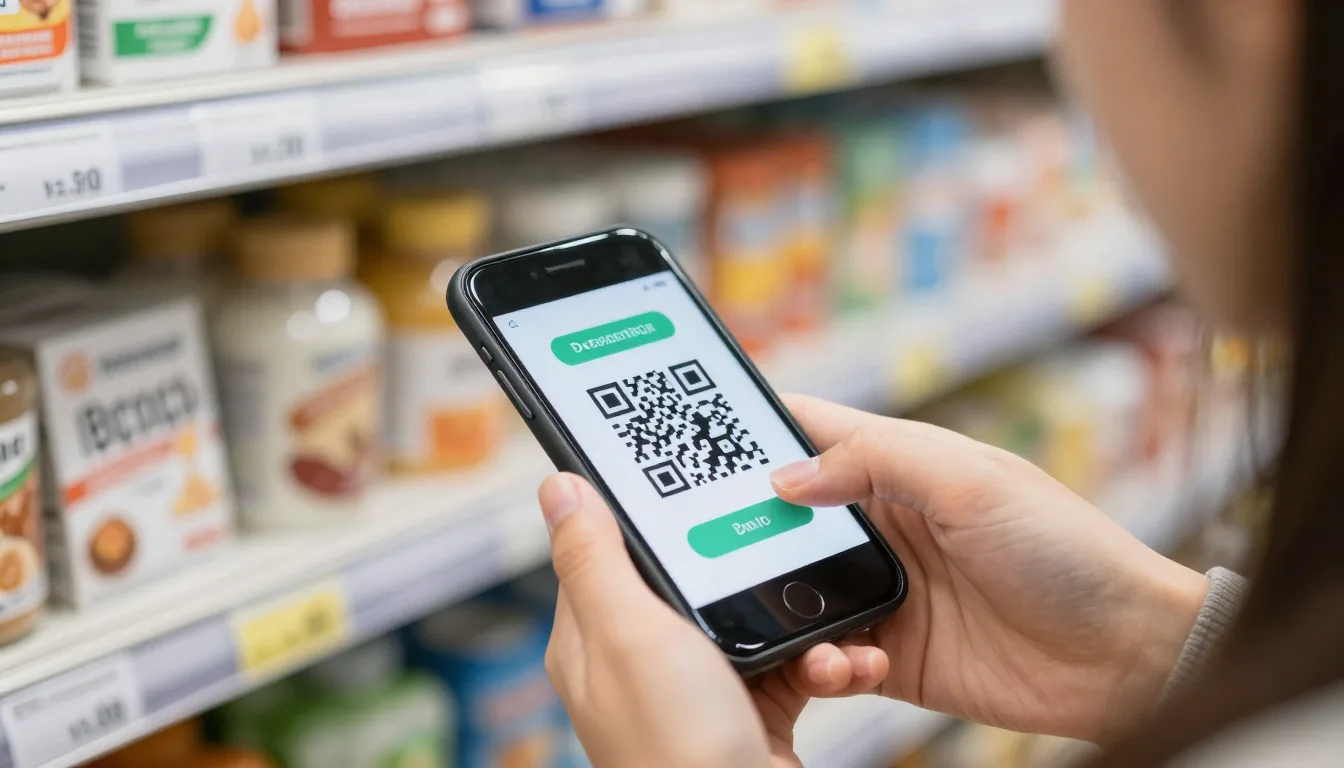
Even with trusted labels, double-check by visiting the certifier’s website. Many offer search tools where you can confirm a product’s current status.
Beware of lookalike logos—some brands design symbols that mimic trusted seals. This green certifications guide empowers you to take these steps confidently.
Also, read the fine print. A certification may cover only one ingredient or part of the product.
That’s okay if it’s transparent, but it limits the claim.
For deeper dives, consult resources like the Ecolabel Index, which tracks over 450 labels worldwide. Or check Consumer Reports for independent evaluations on energy efficiency.
Adopt this green certifications guide as your shopping compass—start with one label, like FSC for paper products, and expand from there. Every informed purchase adds up to real environmental progress.
Remember, no product is perfect, but certified choices are a step in the right direction.
Learn more about making sustainable choices in our Sustainability & Ecology section.