How to Start a Vegetable Garden from Scratch: A Beginner’s Roadmap to Growing Your Own Food

Why Growing Your Own Food Matters
Starting a vegetable garden is one of the most rewarding steps you can take toward a sustainable lifestyle. This beginner vegetable garden guide will walk you through the process, from planning to harvest.
You don't need a green thumb or a large yard—just a bit of space and enthusiasm.
Homegrown produce reduces your carbon footprint by cutting out transportation and packaging. Plus, you control what goes into your soil, avoiding harmful chemicals.
This beginner vegetable garden guide emphasizes starting small for lasting success.
Step 1: Choose the Right Location
Most vegetables need at least 6–8 hours of direct sunlight daily. Observe your yard or balcony to find the sunniest spot.
Avoid areas where water pools after rain, as soggy soil can rot roots.
If you only have a shady balcony, consider leafy greens like lettuce or spinach, which tolerate partial shade. Remember, good drainage is key—raised beds or containers work well.
As highlighted in this beginner vegetable garden guide, location sets the stage for growth.
Planning Your Garden Layout
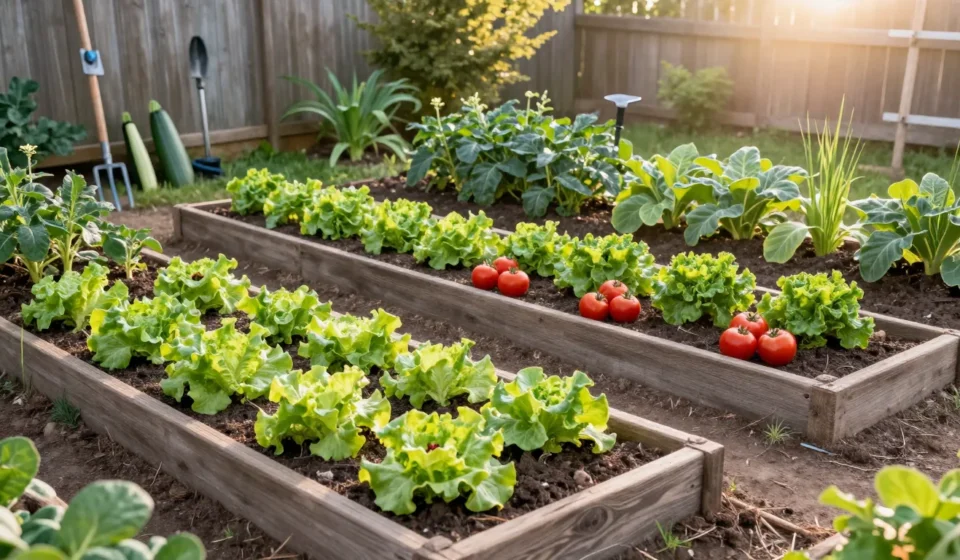
Once you have a location, sketch a simple layout. Group vegetables by their water and sunlight needs.
Tall plants like corn should go on the north side to avoid shading shorter ones.
Leave pathways for weeding and harvesting. If space is tight, consider vertical gardening for cucumbers or beans.
This efficient use of space maximizes your yield.
Beginner Vegetable Garden Guide: Seeds vs. Seedlings
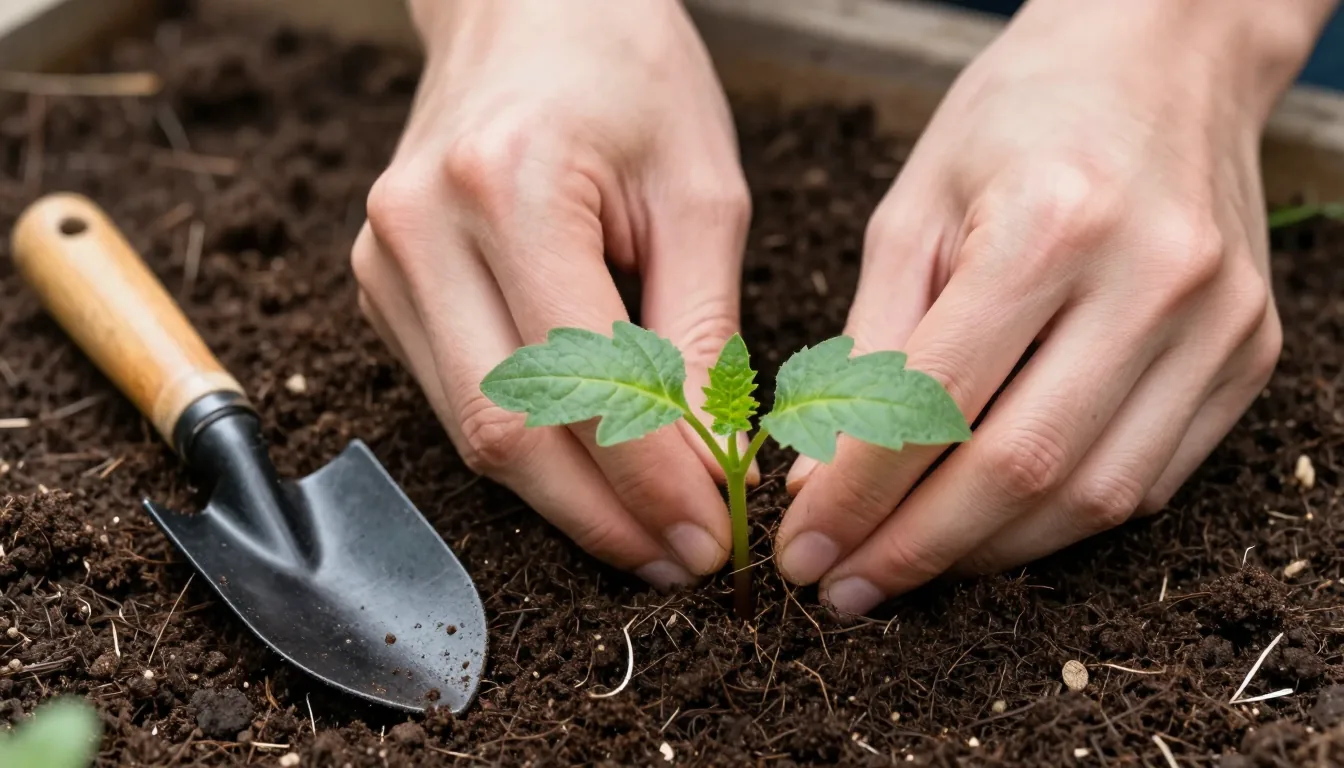
Seeds are cheaper but take longer to grow. Seedlings from a nursery give you a head start.
For this beginner vegetable garden guide, I recommend starting with seedlings for crops like tomatoes and peppers to avoid frustration.
Follow the spacing instructions on seed packets or plant tags—crowding leads to poor air circulation and disease. Water gently after planting.
Step 2: Start with Easy Vegetables
As a beginner, pick crops that are forgiving and fast-growing. Tomatoes, zucchini, beans, and radishes are excellent choices.
They germinate quickly and produce abundant harvests, boosting your confidence.
Check your local climate and growing season. Cool-season crops like peas and carrots can be planted early, while warm-season crops like peppers need warmer soil.
This beginner vegetable garden guide suggests starting with what you love to eat.
Step 3: Prepare Your Soil
Healthy soil is the foundation of a thriving garden. Test your soil pH with a simple kit from a garden center.
Most vegetables prefer slightly acidic to neutral soil (pH 6.0–7.0).
Amend your soil with organic compost or well-rotted manure to improve fertility and structure. Avoid synthetic fertilizers, which can harm beneficial soil organisms.
Following this beginner vegetable garden guide ensures a strong start.
If you’re using raised beds, fill them with a mix of topsoil, compost, and vermiculite. This ensures good drainage and nutrient availability.
Step 4: Water Wisely
Overwatering is a common mistake. Most vegetables need about 1 inch of water per week, including rainfall.
Water at the base to avoid wetting leaves, which invites fungal diseases.
Use a drip irrigation system or a watering can with a fine rose. Water early in the morning to reduce evaporation.
Step 5: Mulch and Weed
Mulching with straw, grass clippings, or shredded leaves conserves moisture, suppresses weeds, and regulates soil temperature. Apply a 2-inch layer around plants, but keep it away from stems.
Pull weeds when they’re small—they compete for nutrients and water. A few minutes each week prevents a major takeover.
Step 6: Manage Pests Naturally
Pests can be a problem, but chemical pesticides harm beneficial insects. Encourage ladybugs and bees by planting flowers like marigolds nearby.
Use neem oil or insecticidal soap for aphids.
Companion planting also helps: basil near tomatoes repels hornworms. Rotate crops each year to prevent soil-borne diseases.
Step 7: Harvest and Enjoy
Harvest vegetables when they’re ripe—regular picking encourages more production. For example, pick zucchini when they’re 6–8 inches long for best flavor.
Celebrate your success by sharing with neighbors or preserving extras. For more sustainable living tips, explore our Sustainability & Ecology section.
Remember, every garden is a learning experience. Mistakes happen, but they teach you what works in your unique space. For further reading, check out the Old Farmer’s Almanac or University of Minnesota Extension.
Growing your own food is a journey. This beginner vegetable garden guide gives you the tools to start.
Enjoy the fresh taste of homegrown vegetables!