Moonlit Markets and Cautious Steps: Staying Safe on a Solo South American Journey

Solo Travel South America Safety: The Unwritten Rules of the Road
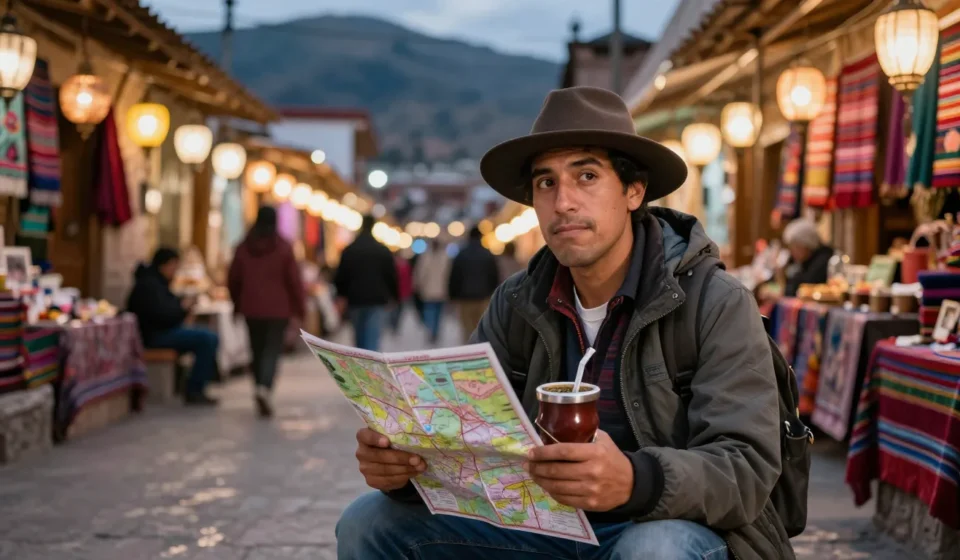
Solo travel South America safety is not about fear—it’s about awareness. I learned this while sipping maté with a gaucho in the Argentine Pampas, his advice as thick and warm as the brew: “Trust your gut, not just your map.”
Every solo journey across this continent is a dance between adventure and vigilance. From the rainbow-hued streets of Cartagena to the misty peaks of the Sacred Valley, safety starts with small, conscious choices—where to stay, how to pack, and who to trust.
In Buenos Aires, I learned to keep my phone tucked away while taking photos in crowded plazas. In Lima, I always used the official taxi booth at the airport.
Locals are my best allies: a market vendor in La Paz warned me about pickpocket zones with a knowing wink, and a hostel owner in Medellín drew me a map of neighborhoods to skip.
Always have a backup plan for accommodation. I never book more than two nights in advance until I’ve scoped out the area.
Essential Precautions Before You Go
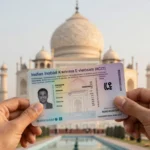
Before leaving, I share my itinerary with a trusted friend and photocopy my passport. I also register with my embassy online and download offline maps for every country.
Screenshot emergency numbers for each destination—police, ambulance, and tourist help lines. In Peru, the tourist police are available via a dedicated line.
Health insurance is a crucial part of solo travel South America safety. I always purchase comprehensive coverage that includes emergency evacuation and medical care in remote areas.
Packing for Peace of Mind
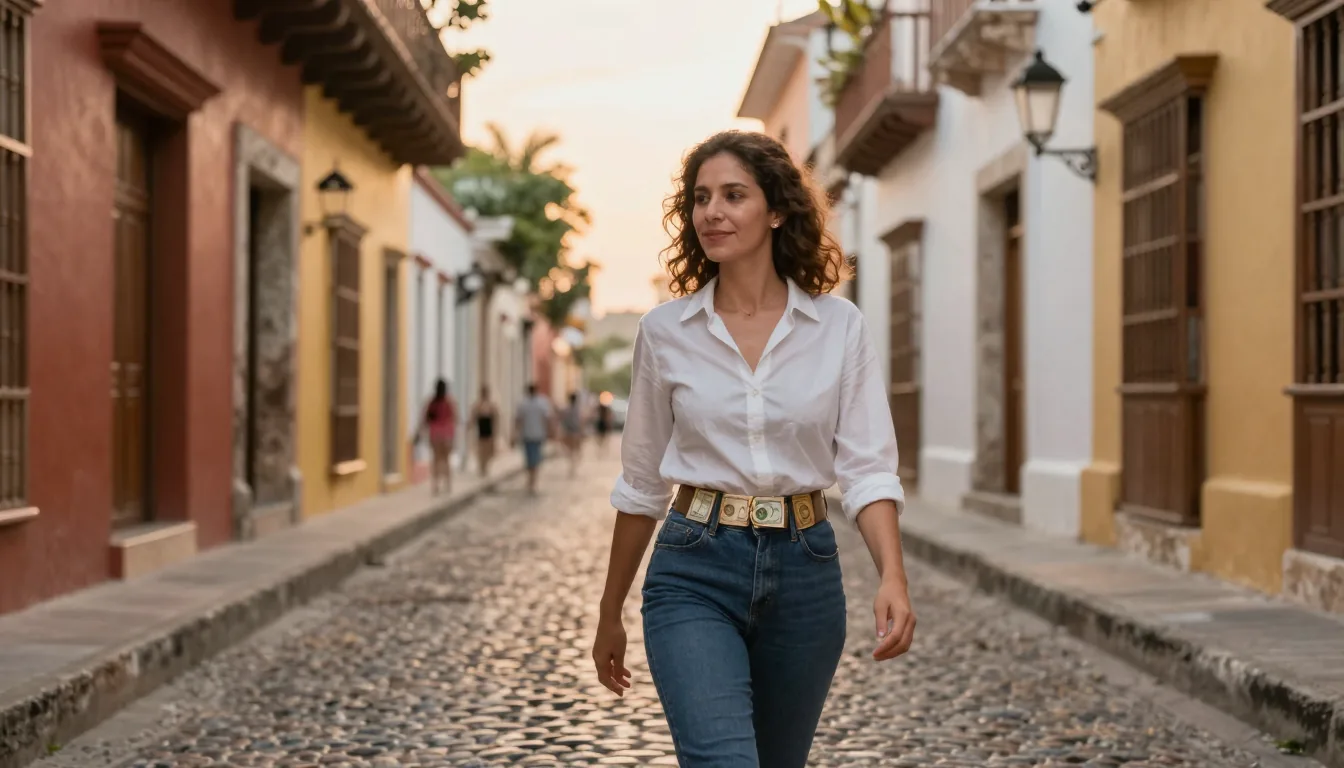
I carry a hidden money belt, a portable door lock, and a small first-aid kit. A dummy wallet with a few old cards and cash helps if I’m ever confronted.
I also pack a portable charger and a universal adapter—because a dead phone is a safety risk. I use an anti-theft crossbody bag with locking zippers.
These small habits build a foundation of confidence that lets me explore freely.
I also back up my documents to the cloud. This ensures I can access copies of my passport and visas from any device.
Transportation Safety: Buses, Taxis, and Rideshares
Long-distance buses in South America can be a lifeline, but not all companies are equal. I only book with reputable lines that have online reviews and onboard security.
For taxis, I use apps like Uber or Cabify in bigger cities to avoid unlicensed drivers. In smaller towns, I ask my accommodation to call a trusted driver.
Night buses can save time but come with risks—I always choose a company that provides a meal stop and has a good safety record. When using public transport, staying alert is key to solo travel South America safety.
I keep my bag under my seat and never store valuable items in the overhead compartment.
When walking at night, I stick to well-lit streets and use a GPS tracker app. I share my location with a friend back home.
Connecting Safely with Local Culture
Solo travel safety doesn’t mean isolation. In a tiny village in Colombia’s Coffee Region, I joined a family for dinner after a farmer saw me hiking alone.
That meal of bandeja paisa and stories taught me more than any guidebook. I also make sure to learn a few local customs and phrases—like saying ‘no gracias’ firmly but politely.
Balancing openness with caution is the essence of solo travel South America safety. I avoid drinking excessively or accepting rides from strangers.
I choose day tours with reputable companies, and always let someone know where I’m going. Trust comes from mutual respect and preparation.
I often use meetup groups or hostel events to connect with fellow travelers. This reduces the risk of wandering alone into unsafe areas.
When Plans Change: Adapting on the Fly
In Bolivia, a bus broke down at midnight in the altiplano. I stayed calm, kept my bag close, and shared a taxi with a German couple who had a satellite phone.
That night, I realized that flexibility and steady nerves are as important as any lock. I’ve learned to say ‘no’ firmly but politely, and to trust my instinct when a situation feels off.
This experience taught me that preparation is the bedrock of solo travel South America safety. The continent rewards cautious adventurers who are prepared to adapt.
I always carry a hidden stash of US dollars for emergencies. This has bailed me out more than once.
For more insights, explore our Travel & Exploration archive. Read more from seasoned travelers: World Travel Guide Safety and Lonely Planet Tips.