
Beyond the Timetable: Embracing Island Hopping
The Greek ferry system guide is your passport to an archipelago of dreams, but it’s more than a schedule of departures. It’s a dance with the wind, a lesson in patience, and a chance to see Greece through salty eyes.
Forget the rigid itineraries; the best ferries are the ones you almost miss, the ones that leave you stranded on a sun-bleached pier with a bag of olives and a new friend.
Decoding the Ferry Types: From Flying Dolphins to Island Giants
High-speed catamarans, known as Flying Dolphins, slice through waves, connecting major islands in under two hours. They’re efficient but pricey, and the thrill of skimming the sea comes at a cost—both in euros and in missed sunset views.
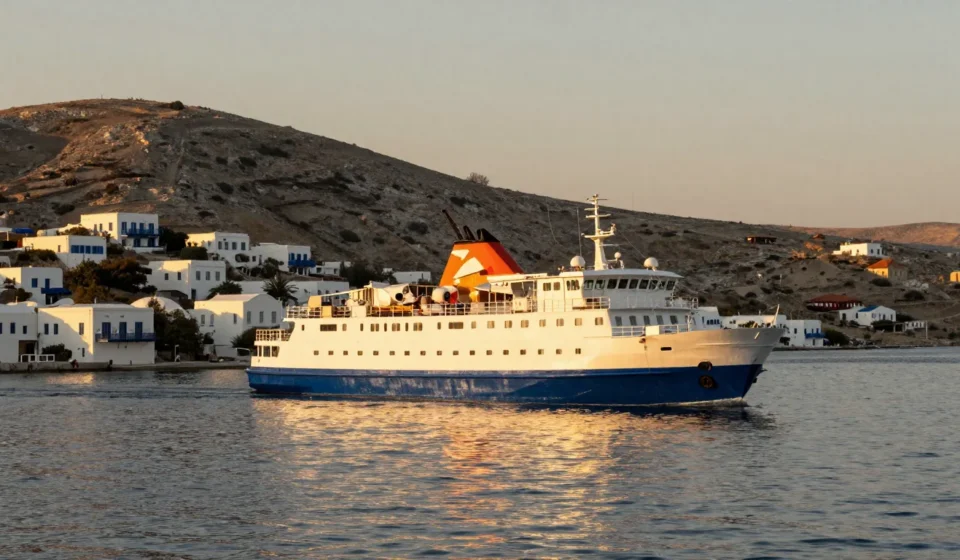
Conventional ferries, the workhorses of the Cyclades, chug along at a leisurely pace, allowing you to soak in the rugged coastline and chat with locals over a deck coffee. Understanding the Greek ferry system guide helps you choose between speed and scenic journeys.

Where to Find the Real Ferry Wisdom
Forget the big booking sites. The true pulse of the Greek ferry system guide beats in the small port kiosks and the chatter of elderly men sipping ouzo.
Ask the ticket seller about the captain who knows a secret cove or the deckhand who points out dolphins.
Websites like Ferryhopper aggregate routes, but nothing beats a conversation with the woman at the corner stationery shop who sells tickets and knows the weather better than the forecast.
The Art of the Unhurried Departure
Arriving at the port early doesn't mean rushing. Grab a frappe from a waterfront café, watch the fishing boats bob, and let the ferry wait for you—they often do.
Greek time is a fluid concept, and the best memories are made in the waiting.
Pack a scarf for the wind, a book for the delays, and an empty stomach for the onboard souvlaki. The smell of grilled meat and sea salt is the aroma of freedom.
Hidden Island Gems Accessed by Ferry
While Santorini and Mykonos dominate postcards, the smaller Cyclades like Folegandros or Koufonisia offer authentic charm. According to the Greek ferry system guide, these lesser-known islands are best reached by conventional ferries.
For the truly adventurous, take a ferry to Ikaria, where the pace of life matches the slow rhythm of the waves—a place where siestas are sacred and the ferry is a lifeline, not a tour bus.
Mastering the Ticket Dance: Greek Ferry System Guide Tips
Buying a ticket in advance is wise, but leaving a day open for spontaneity is smarter. The Greek ferry system guide recommends booking high-speed ferries for long distances and conventional ones for short hops to save money and enjoy the journey.
If a ferry is canceled—and it will be—don’t panic. Strike up a conversation with fellow stranded travelers; you might end up sharing a rental car to explore an island you never planned to visit.
Seasickness and Sanctuary: Coping with Swells
The Aegean can be temperamental. If the sea is rough, head to the outdoor deck, focus on the horizon, and breathe deeply.
Ginger candy from a local market works wonders. The Greek ferry system guide advises staying on deck if you feel queasy.
For a serene escape, the ferry’s indoor lounge offers air-conditioned respite and large windows where you can watch the islands drift by like a moving painting.
Packing for the Ferry: Essentials for the Journey
Bring a reusable water bottle, sunscreen, and a light jacket even in summer—the wind can bite. The Greek ferry system guide suggests packing light but smart for island hopping.
Don’t forget a camera to capture the moment the ferry rounds a headland and reveals a whitewashed village clinging to a cliff. That image is the souvenir that lasts.
For more travel inspiration, explore our Travel & Exploration archive.