

The Recovery Protocol: Sleep First
Sleep is the foundation of your recovery protocol. Without 7-9 hours, your muscles never fully repair. Growth hormone spikes during deep sleep—skip it and you’re wasting gym time.
This recovery protocol begins with prioritizing sleep. Set a consistent bedtime and wake time, even on weekends.
Your circadian rhythm thrives on routine.
Create a cool, dark room with blackout curtains and a white noise machine. Ditch screens 30 minutes before bed to boost melatonin.
A 20-minute power nap can help if you're short on sleep.
Sleep stages matter. Deep sleep drives muscle repair, while REM consolidates motor learning.
Aim for uninterrupted cycles by avoiding caffeine after 2 PM and limiting alcohol before bed.
If you struggle with sleep, try a magnesium supplement or herbal tea. Good sleep hygiene is the cornerstone of any effective recovery protocol.
Feed Your Muscles: Protein and Timing
Protein synthesis peaks 24-48 hours post-workout. Spread 1.6-2.2 g/kg across 4-5 meals.
Casein before bed, whey post-lift—simple but critical for your recovery protocol.
Don't forget carbs. They replenish glycogen and shuttle amino acids.
A 3:1 carb-to-protein ratio post-workout works well.
Hydration is overlooked but essential. Even 2% dehydration impairs performance and recovery.
Aim for 3-4 liters daily, more if you sweat heavily.
Micronutrients like zinc and magnesium support tissue repair. Include leafy greens, nuts, and seeds.
Omega-3s from fish oil reduce inflammation and aid recovery.
Timing your meals around workouts enhances nutrient delivery. A balanced recovery protocol includes both pre- and post-workout nutrition.
Move to Heal: Active Recovery Methods
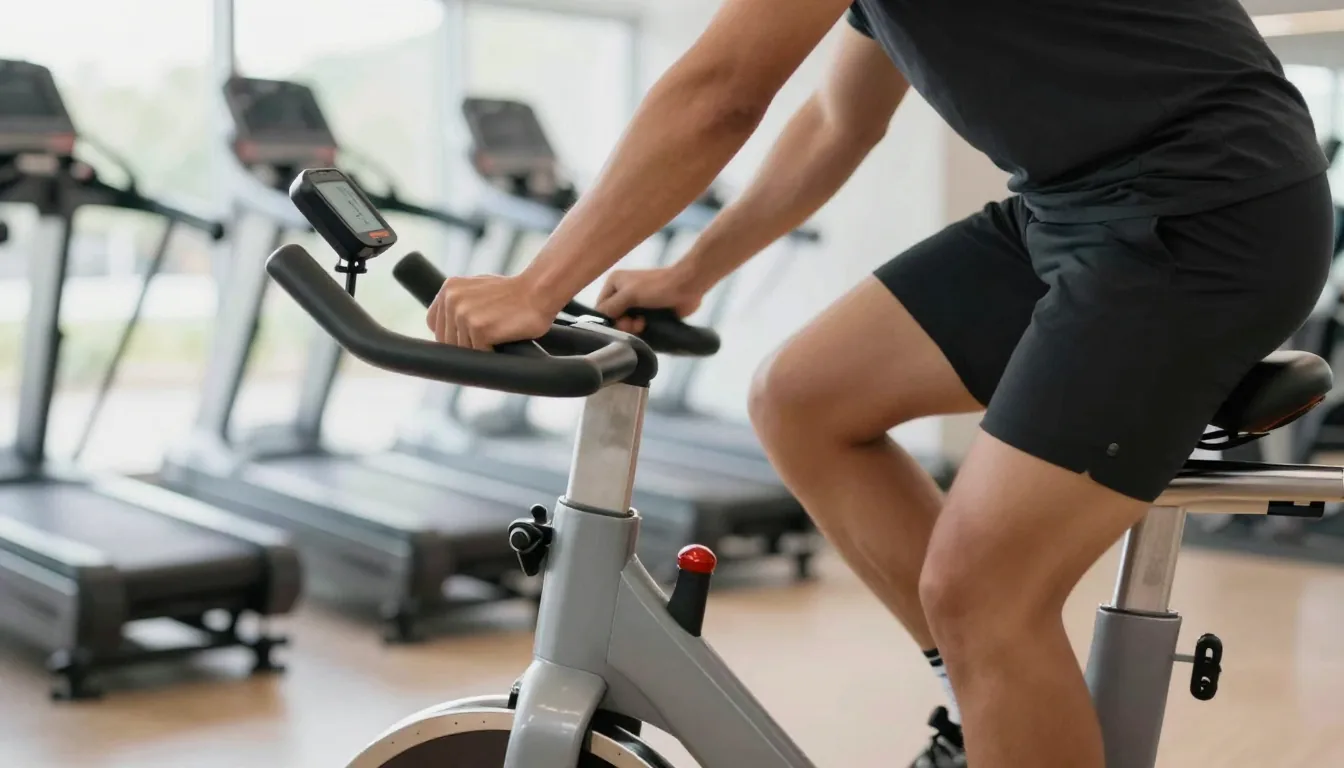
Active recovery boosts blood flow without extra fatigue. This active recovery protocol includes light cycling, walking, or swimming for 20-30 minutes on off days.
Keep intensity low—zone 2 heart rate.
Foam rolling and stretching help, but don't overdo it. 10 minutes of mobility work beats 60 minutes of static stretching.
Aim for gentle, pain-free movement.
Yoga can improve flexibility and reduce stress. Try a 15-minute flow focusing on hips and shoulders.
Contrast baths—alternating hot and cold water—also reduce soreness.
Massage therapy or percussion guns can speed recovery. Two sessions per week may help.
Listen to your body; never push through sharp pain.
Tame the Stress Hormone: Cortisol Control
Chronic stress raises cortisol, breaking down muscle. Manage it with meditation, deep breathing, or even a 5-minute walk. Harvard Health confirms breath work lowers cortisol.
Your nervous system needs recovery too. Deload weeks, rest days, and low-stimulus activities keep you from burning out.
This stress management is a key part of your recovery protocol.
Cold exposure or contrast showers can also aid recovery. They reduce inflammation and improve mood.
Start with 30 seconds of cold at the end of your shower.
Social connection buffers stress. Chat with friends or join a group class.
Laughter and support lower cortisol naturally. Add a nature walk to reset your mind.
Supplements That Support Recovery
Beyond food, certain supplements enhance recovery. Creatine helps replenish ATP and may reduce muscle damage.
Take 5 grams daily for consistent benefits.
Beta-alanine buffers lactic acid, allowing you to train harder. Pair with citrulline malate for improved blood flow.
Always check with a doctor before starting new supplements.
Tart cherry juice can reduce inflammation and improve sleep quality. A small glass before bed may speed recovery.
Remember, supplements complement but don’t replace the basics. A solid recovery protocol relies first on sleep, food, and stress control.
Track What Matters
Use a journal for sleep, soreness, and readiness. HRV (heart rate variability) is a reliable proxy for recovery.
A drop means back off.
Adjust based on data. If you're dragging, skip a session or reduce volume.
The best recovery protocol is the one you actually follow.
Progress isn't linear. Some weeks you'll need more rest.
Be flexible and patient. Long-term consistency beats short-term intensity.
Wearable devices track steps, sleep, and HRV. Use them as guides, not obsessions.
Your perceived readiness is just as valid. A simple 1-10 scale each morning can guide your training.
Track your nutrition too. A food diary ensures you meet protein and calorie needs.
Consistent tracking refines your recovery protocol over time.
For more on building a sustainable training plan, check out our Fitness & Sports section. Stop chasing fads—master the basics. Study on sleep and muscle recovery and protein intake guidelines back up everything here.