
Why Most Athletes Miss the Mark on Nutrient-Dense Foods
You’re wasting time on trendy supplements and complicated meal plans. The truth is, a handful of nutrient-dense foods can cover 90% of your micronutrient needs.
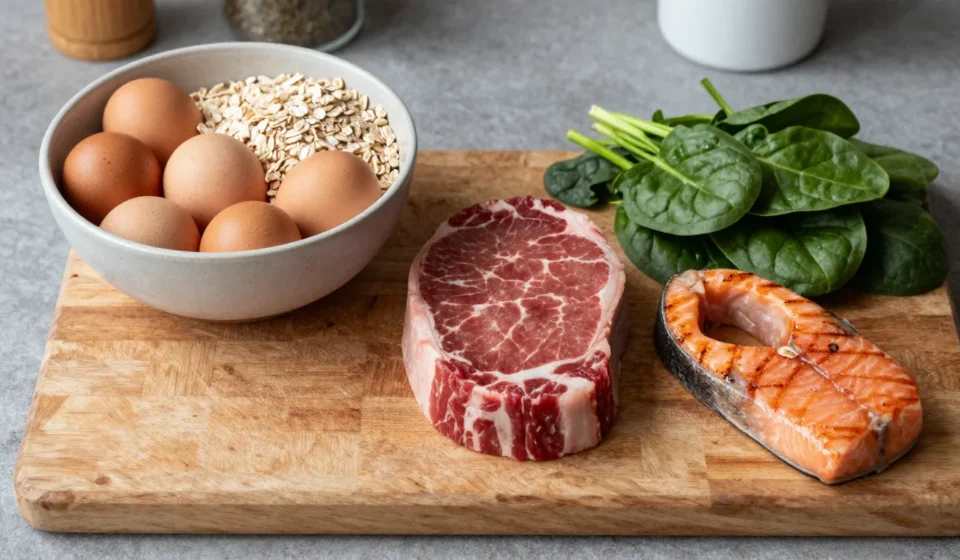
Eggs, oats, lean meat, spinach, and salmon are the foundation. Stop overthinking—start eating.
Every gram of food you put in your body should pull its weight. These five options deliver vitamins, minerals, protein, and healthy fats without the fluff.
Let’s break them down.
By focusing on these nutrient-dense foods, you simplify your diet and maximize results.
1. Eggs: The Complete Nutrient Package
One egg contains over 13 essential vitamins and minerals. Choline for brain function, vitamin D for bone health, and high-quality protein for muscle repair.
Eat the yolk—that’s where the micronutrients live.
Two to three eggs daily gives you a solid dose of B vitamins, selenium, and zinc. Athletes need these for energy metabolism and immune function.
Sunny-side-up or hard-boiled, eggs are versatile and quick to prepare.
Micronutrient Breakdown
- Vitamin A: 6% of Daily Value (DV) per egg
- Riboflavin: 15% DV
- B12: 9% DV
- Phosphorus: 9% DV
Including eggs in your daily diet is a smart way to boost nutrient density without extra cost.
2. Oats: Slow-Burning Fuel
Whole oats are packed with manganese, phosphorus, magnesium, and iron. These minerals support energy production and oxygen transport.
One cup of cooked oats delivers 4 grams of fiber—keeps you full and regulates blood sugar.
Athletes who train early benefit from oats’ low glycemic index. Steady energy release means no mid-workout crash.
Opt for steel-cut or rolled oats instead of instant varieties for maximum nutrition.
Oats are a staple among nutrient-dense foods because they provide sustained fuel for training sessions.
3. Lean Meat: Iron and Zinc Powerhouse
Beef, chicken breast, or turkey provide heme iron—the type your body absorbs most efficiently. Iron deficiency is common in athletes, causing fatigue and poor performance.
Three ounces of lean beef gives you 20% of your daily iron needs.
Zinc in meat supports testosterone production and immune function. Aim for 6–8 ounces of lean meat daily.
Grass-fed beef offers a better fatty acid profile, but lean cuts of conventional meat also work well.
Lean meat is a cornerstone of any diet rich in nutrient-dense foods for athletes.
4. Spinach: Micronutrient Density at Its Peak
One cup of raw spinach contains 181% DV for vitamin K, 56% DV for vitamin A, and a solid dose of folate. It’s also a source of calcium and magnesium for muscle contraction and recovery.
Cooking spinach reduces volume significantly, so you can eat more easily.
Spinach is low in calories, so eat large volumes. Toss a handful into eggs, smoothies, or salads.
The antioxidants reduce oxidative stress from intense training.
Adding spinach boosts the overall nutrient density of any meal with minimal calories.
5. Salmon: Omega-3s and Vitamin D
Wild-caught salmon is rich in EPA and DHA—omega-3s that reduce inflammation and support joint health. A 3-ounce serving provides over 100% DV of vitamin D, crucial for bone density and immune function.
Wild-caught salmon has higher omega-3 content than farmed, but both are excellent choices.
Salmon also supplies B12, selenium, and high-quality protein. Eat it twice per week for optimal benefits.
Canned options work if fresh is unavailable.
Including salmon in your routine ensures you get essential omega-3s from whole, nutrient-dense foods.
Build Your Plate Around These
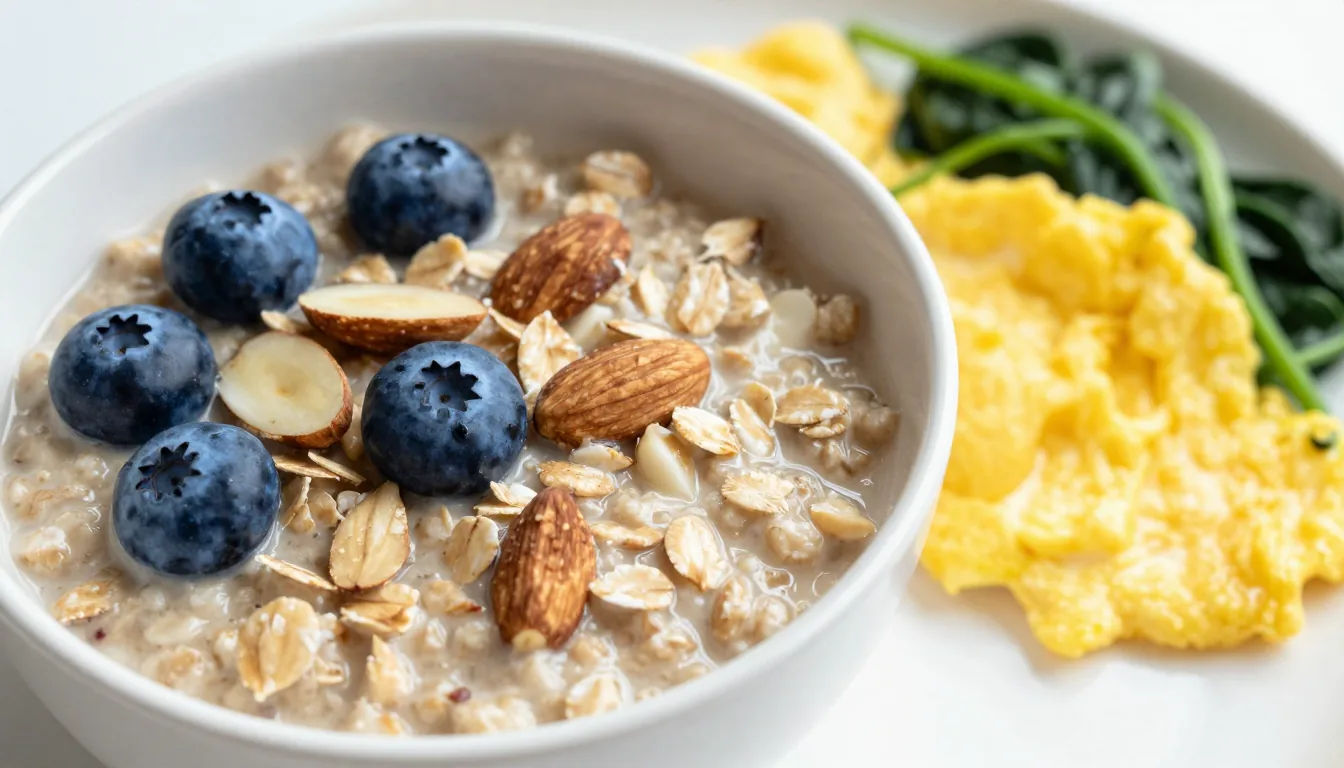
Combine these foods for a complete micronutrient profile. Example day: eggs and spinach for breakfast, oats with berries mid-morning, lean beef salad for lunch, salmon with veggies for dinner.
Adjust portions based on your activity level, but the variety ensures you get everything you need.
Track nothing—just eat these staples. By focusing on nutrient-dense foods, you cover your bases and eliminate decision fatigue.
For more on building a training diet that supports your goals, check out our Fitness & Sports section. Also read Examine.com’s nutrition guides and NIH dietary supplement fact sheets for evidence-based details.
Stop complicating: these five nutrient-dense foods are your shortcut to better performance. Now go eat.
Simplicity wins every time.