
Lacto-Fermentation Recipes: The Core Process
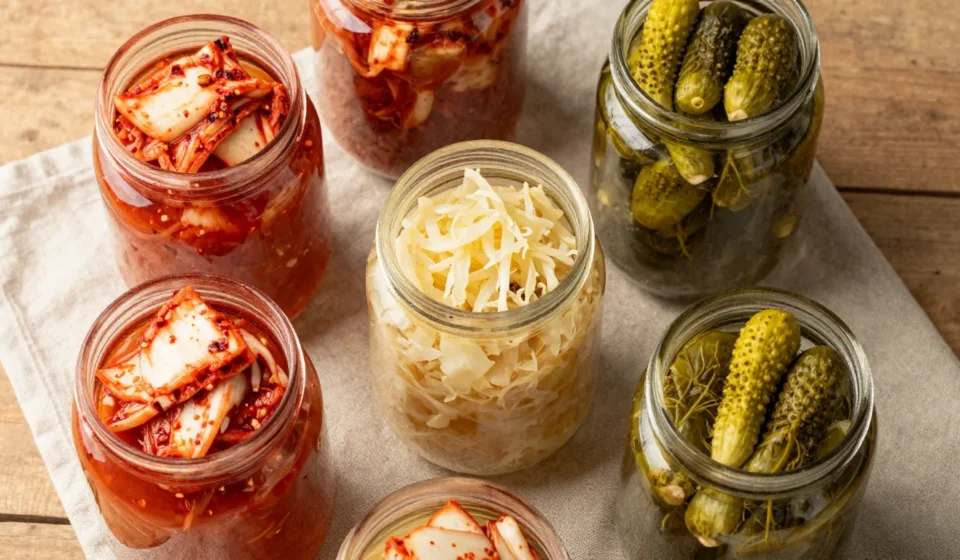
Fermentation has preserved vegetables for millennia, transforming simple cabbages and cucumbers into tangy, probiotic-rich staples. In this article, we explore lacto-fermentation recipes for kimchi, sauerkraut, and pickles—three classic ferments that thrive on the same natural process.
Lacto-fermentation relies on Lactobacillus bacteria, which convert sugars into lactic acid. This natural brine preserves food and creates a complex, sour depth no vinegar can mimic.
The magic happens in a simple saltwater solution.
Each region has its own twist: Korea’s fiery kimchi, Germany’s crisp sauerkraut, and Eastern Europe’s dill pickles. Yet all share a common foundation—salt, water, and time.
Let’s dive into these three lacto-fermentation recipes and learn how to make them at home.
Kimchi: Korean Spice and Umami
Kimchi is perhaps the most beloved fermented food worldwide. Its fiery kick comes from gochugaru (Korean chili flakes), while fish sauce and garlic add layers of umami.
Traditional baechu kimchi uses napa cabbage, but you can experiment with radishes or cucumbers.
To make kimchi, start by salting chopped napa cabbage for a few hours until wilted. Rinse and mix with a paste of gochugaru, minced garlic, ginger, fish sauce, and salted shrimp.
Add thinly sliced carrots and scallions for crunch.
Pack tightly into a jar, leaving headspace, and let it ferment at room temperature for 2–5 days. Taste daily—when it’s tangy enough, move it to the fridge.
Kimchi’s complexity deepens over weeks, perfect in stews or fried rice.
Sauerkraut: Simple, Crunchy, and Versatile
Sauerkraut is the poster child of lacto-fermentation. Only cabbage and salt are needed—the salt draws out water, creating a brine that ferments the cabbage over time. This will become one of your favorite lacto-fermentation recipes due to its simplicity and crunch.
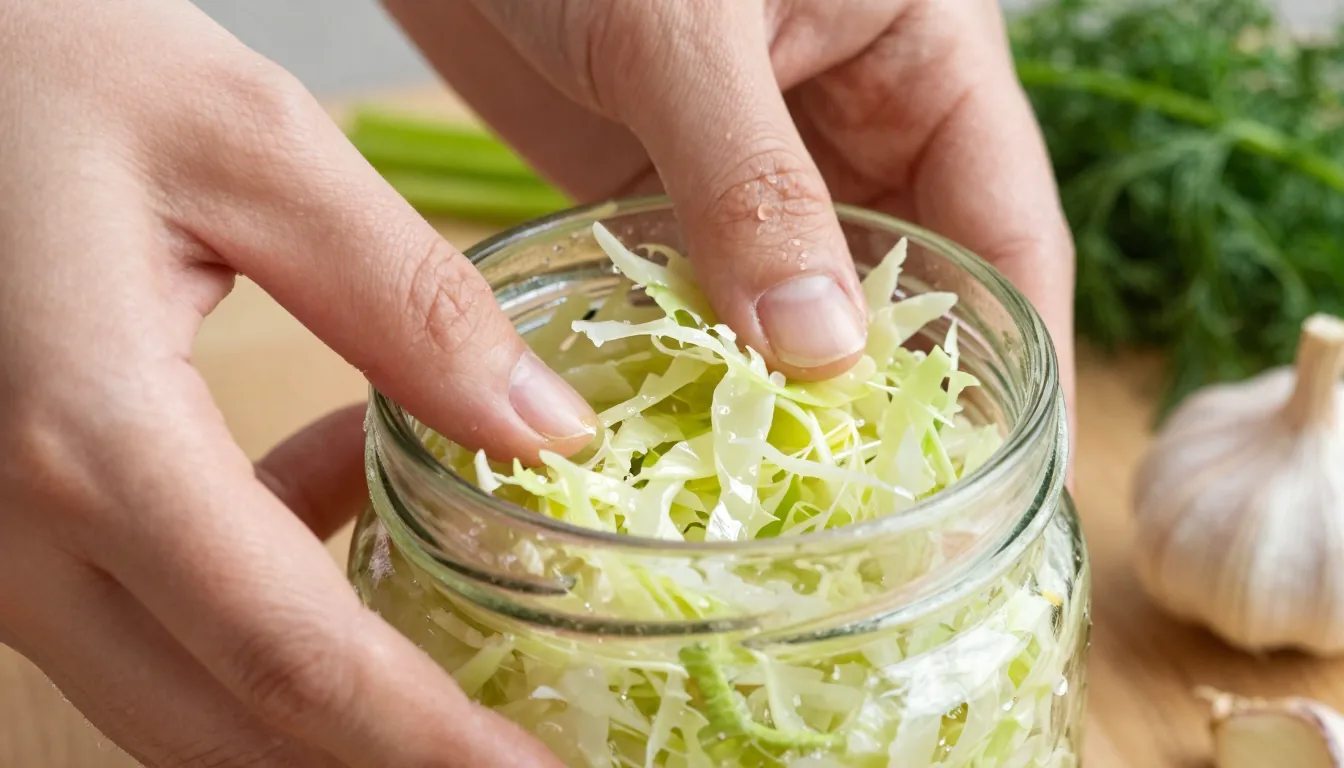
For a classic German-style kraut, shred green cabbage and mix with 2% salt by weight. Massage until liquid releases, then pack tightly into a jar, pressing out air bubbles.
Weigh down so the brine covers the surface.
Ferment at cool room temperature (60–70°F) for 1–4 weeks. The longer it goes, the tangier it becomes.
You can add caraway seeds, juniper berries, or shredded apple for extra flavor.
Sauerkraut is incredibly versatile—eat raw, cook with sausages, or pile on Reuben sandwiches. Mastering this recipe will boost your confidence in making lacto-fermentation recipes.
How to Avoid Common Pitfalls
Failing to use enough salt (at least 2% of vegetable weight) can allow undesirable bacteria to grow. Too much salt will slow fermentation, so weigh your vegetables for accuracy.
Use non-iodized salt—iodine can inhibit fermentation.
Clean jars are essential; avoid soap residue by rinsing thoroughly. If you see white sediment at the bottom, don’t worry—that’s dead lactobacillus.
A little kahm yeast (white, wrinkled film) is also harmless; simply skim it off.
Fuzzy mold means the batch is compromised. When in doubt, trust your nose: healthy ferments smell tangy and earthy.
Keep the cabbage submerged to prevent mold.
Pickles: Crunchy Cucumber Ferments
Fermented pickles are a far cry from vinegar-soaked supermarket spears. The crunch comes from compounds in grape leaves or horseradish that keep cucumbers firm. Like all lacto-fermentation recipes, this requires patience and proper brine concentration.
For a classic lacto-fermented dill pickle, use small pickling cucumbers, dill heads, and garlic cloves. Prepare a brine of 3.5% salt (35 grams per liter).
Pack cucumbers with dill, garlic, and optional spices into a jar.
Pour the brine, weigh down to submerge, and ferment at room temperature for 5–10 days. The pickles turn from bright green to olive, and the brine becomes cloudy—signs of success.
These incredible pickles improve with age in the refrigerator. For extra crunch, add a slice of grape leaf or a pinch of calcium chloride.
Beyond the Basics: Expanding Your Fermentation Repertoire
Once you’ve mastered these lacto-fermentation recipes, the possibilities are endless. These lacto-fermentation recipes are just the beginning; the process works with almost any vegetable: carrots, green beans, beets, peppers, even fruits. Experiment with spices and different salt concentrations.
A great resource is Cultures for Health, offering detailed guides on techniques. Fermentation is not just preservation—it creates new flavors and improves digestibility. The lactic acid breaks down complex carbohydrates, making nutrients more bioavailable.
For more culinary explorations, browse our Gastronomy & Food archive, where we delve into other ancient techniques. And if you’re interested in the science, this review article explains the biochemical transformations. Start your fermentation adventure today.