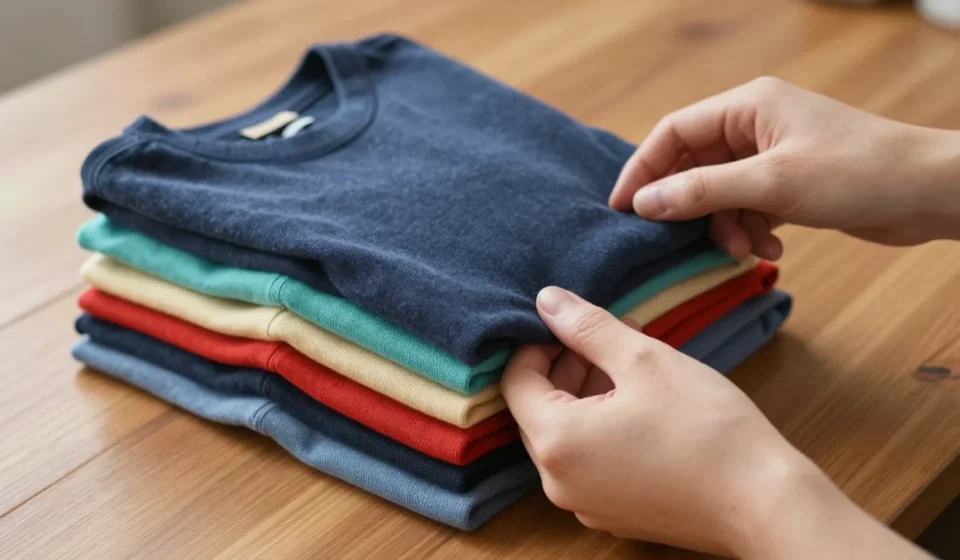

Why Thrifting Quality Items Matters for Sustainability
Buying secondhand is one of the most effective ways to reduce your environmental footprint. When you focus on thrifting quality items, you extend product lifespans and cut demand for new manufacturing. This simple habit slashes carbon emissions and keeps waste out of landfills.
The secondhand market is booming, and high-quality used goods often outperform new budget alternatives. Knowing what to look for helps build a durable wardrobe and tech collection without breaking the bank.

Inspecting Pre-Owned Apparel
Fabric and Construction Clues
Natural fibers like cotton, wool, and linen tend to age better than synthetics. Check the care label and feel the fabric—it should be dense and smooth, not pilled or frayed.
Look at seams and stitching; double-stitched hems indicate durability.
Button quality matters too: plastic buttons crack over time, while metal or shell buttons last decades. For denim, examine the rivets and zipper—metal zippers outlast plastic ones.
Mastering the art of thrifting quality items means knowing these small signs.
Stains, Odors, and Fit
Inspect under bright light for stains, especially on light fabrics. Some stains set permanently, but many can be treated.
Smell the item; mustiness often washes out, but smoke or mildew may linger.
Try items on if possible—minor alterations like hemming are easy, but major reshaping isn’t.
For high-value pieces like leather jackets, check the lining and zippers. A worn lining can be replaced, but a cracked leather surface is harder to fix.
When thrifting quality items for formal wear, pay extra attention to shoulder seams and cuff integrity.
Evaluating Used Electronics
Physical and Functional Checks
Before buying, test all buttons, ports, and screens. For phones, check the battery health in settings—anything above 80% is decent.
Inspect for dents, scratches, and water damage indicators, and ask if the device has been factory reset.
For laptops, run a keyboard test and check the trackpad. Verify that the operating system is genuine and not locked to a previous owner.
Request a photo of the system information to confirm specs.
Successful thrifting quality items in electronics often hinges on using a checklist.
Warranty and Authenticity
Many electronics have transferable warranties. Check the serial number on the manufacturer’s website to see if coverage remains, and for luxury gadgets, verify authenticity through official tools.
Avoid deals that seem too good to be true—counterfeits are common.
When buying from resale platforms, look for seller ratings and return policies. Some platforms like Gazelle and Decluttr offer certified refurbished items with warranties, reducing risk. Knowing these tips helps you focus on thrifting quality items confidently.
Best Resale Platforms for Quality Finds
Online marketplaces have transformed secondhand shopping. For clothing, thredUP and The RealReal curate pre-owned brands and inspect items for quality.
For electronics, Back Market specializes in refurbished devices with a one-year warranty.
eBay remains a vast source, but it requires careful vetting of sellers.
Local options include Goodwill bins and consignment shops. Visit frequently, as inventory changes quickly.
Many cities also have electronics recycling centers that sell tested equipment.
Estate sales are another goldmine for unique items.
Caring for Your Secondhand Treasures
Once you bring home a find, proper maintenance extends its life. Wash clothes in cold water and air dry to preserve fibers.
For electronics, keep them in a dust-free environment and update software regularly.
Storage matters too: use breathable garment bags for wool coats and padded cases for laptops. A little care ensures your thrifted goods stay functional and stylish for years.
Making Secondhand a Lasting Habit
Sustainability & Ecology thrives on mindful consumption. Start by setting a budget and a list of needed items. Over time, you’ll develop an eye for quality—saving money and the planet simultaneously.
By consistently thrifting quality items, you build a sustainable lifestyle that also saves money. For deeper guidance, check resources like thredUP’s secondhand guide and Back Market’s electronics tips. Embrace the thrill of the find, knowing each purchase is a win for a circular economy.