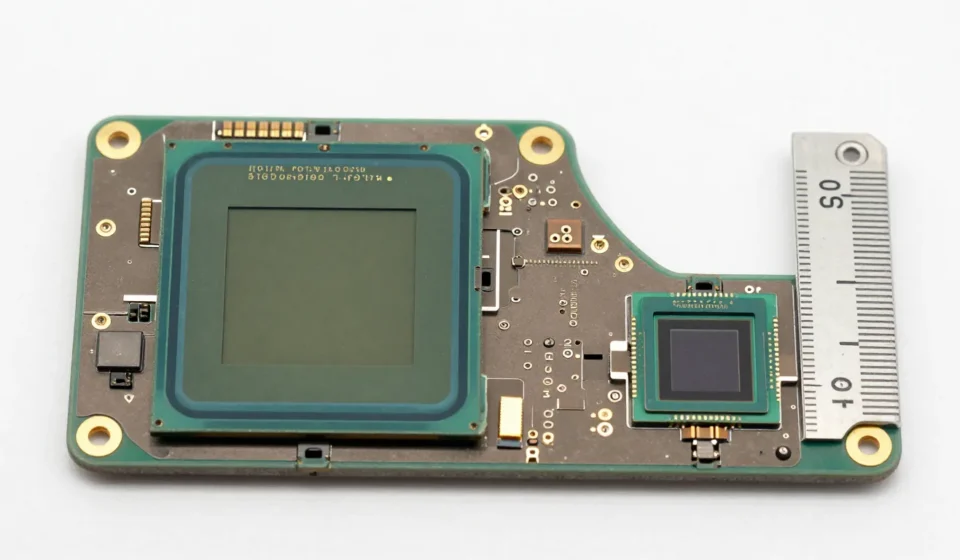

What Really Determines Image Quality?
When you shop for a smartphone, the camera megapixel count often steals the spotlight. Marketers love to boast 108MP or 200MP sensors, but phone camera megapixels are a poor indicator of real-world performance. In fact, higher megapixels can sometimes degrade image quality if other components don’t keep up.
Three factors matter far more: sensor size, pixel binning, and image processing. Understanding these will help you ignore the spec sheet hype and choose a phone that actually takes great photos.
Sensor Size: The Real Star of the Show
A larger sensor captures more light, which directly improves dynamic range and low-light performance. The physical area of the sensor—measured in inches or type (1/1.28″, 1/1.5″, etc.)—determines how much light each pixel can gather.
Compare a 12MP sensor on a large sensor (like the iPhone 15 Pro Max’s 1/1.28″) to a 108MP sensor on a tiny sensor. The larger sensor with fewer megapixels will produce cleaner, more detailed images in dim conditions.
Why Bigger Pixels Beat More Pixels
Pixel size is measured in micrometers (µm). A 1.4µm pixel collects roughly twice the light of a 1.0µm pixel.
When manufacturers cram 200 million tiny pixels onto a small sensor, each pixel is starved for light, leading to noise and poor color accuracy.
- Large sensor + larger pixels = best low-light photos
- Small sensor + high megapixels = noisy, soft images
- Example: Google Pixel 8’s 50MP sensor (1/1.31″) outputs 12.5MP pixel-binned images that rival many 108MP competitors
Pixel Binning: How Phones Cheat Megapixels
Pixel binning is a technique where the camera combines data from multiple small pixels into one larger “super pixel.” Most high-MP phones default to binning—the 108MP sensor often shoots 12MP images. The 200MP sensor on the Galaxy S23 Ultra bins to 12.5MP or 50MP depending on the mode.
This means your phone rarely uses its full megapixel count unless you manually enable a high-resolution mode. It's a reality check that phone camera megapixels are often deceptive.
And even then, the quality gain is marginal because the small physical pixels still limit light capture.
When Binning Fails
In bright daylight, binning can produce oversharpened, artificial-looking images. The computational processing can't fully compensate for the lack of true pixel-level data.
Dedicated camera apps often force full-resolution capture, but the results are noisier than expected.
Image Processing: The Secret Sauce
Smartphone cameras rely heavily on computational photography. Google's Night Sight, Apple's Deep Fusion, and Samsung's Scene Optimizer use AI to merge multiple exposures, reduce noise, and enhance detail.
This processing can make a 12MP photo look sharper than a poorly processed 48MP shot.
Software optimizations can correct lens distortion, adjust white balance, and even simulate optical zoom. The best camera phones invest as much in their ISP (Image Signal Processor) and AI algorithms as in the sensor hardware.
- Google Pixel 8: 50MP sensor, but consistently top-ranked for photo quality due to superior processing
- iPhone 15: 48MP sensor bins to 24MP default, with excellent HDR and color science
- Mid-range phones with high-MP sensors often lack the processing power to make use of those pixels
Phone Camera Megapixels: Marketing vs. Reality
Phone makers use phone camera megapixels as a simple number to sell cameras. But if you compare a 12MP flagship (like the iPhone) to a 108MP budget phone, the flagship wins in virtually every scenario.
The megapixel race is a distraction.
For social media sharing, 12MP is more than enough. 4K video requires about 8MP per frame.
Printing a large poster benefits from higher resolution, but only if the sensor and processing can deliver clean pixels. In most cases, Tech & Gadgets experts recommend prioritizing sensor size and software over phone camera megapixels.
What to Look for Instead
Ignore the MP number on the box. Focus on these specs instead of phone camera megapixels:
- Sensor size: Larger is better (look for 1/1.5″ or bigger)
- Pixel size: 1.4µm or larger is ideal
- Aperture: f/1.8 or wider for more light
- Optical stabilization (OIS): Crucial for low-light and video
- Software track record: Check reviews for processing quality
Cameras like the Sony IMX989 (1-inch sensor) on the Xiaomi 13 Ultra or the Samsung GN2 (1/1.12″) on the Galaxy S22 Ultra prove that hardware fundamentals trump megapixels. For deeper dives, check DPReview or TechRadar for sensor comparisons.
Remember: next time a salesperson brags about 200MP, ask about the sensor size. That’ll reveal the truth behind the phone camera megapixels hype.