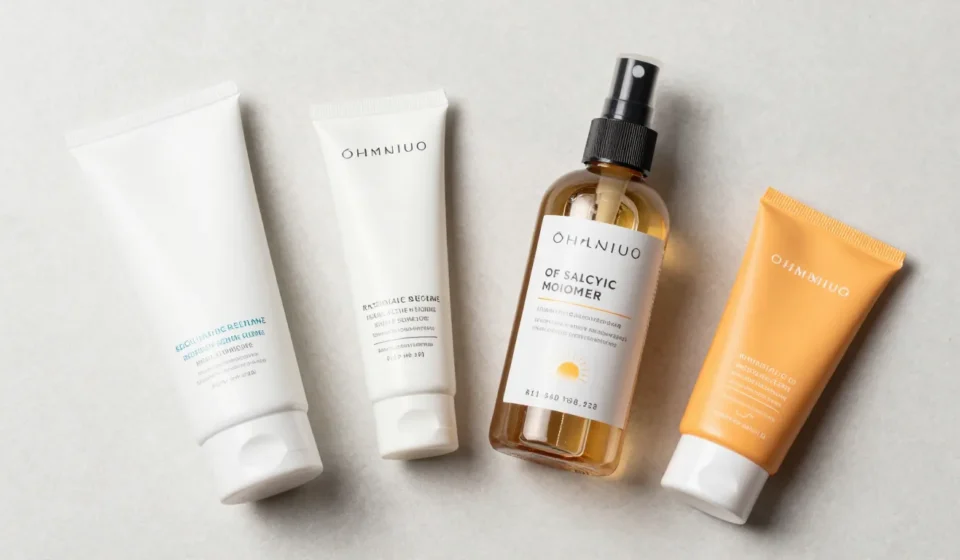

Introduction: The Balance Between Shine and Stripping
Oily skin can feel like a constant battle against shine, but aggressive scrubbing and alcohol-laden products often backfire. The key is gentle sebum control—managing oil production while preserving your skin barrier. This routine uses niacinamide, salicylic acid, and lightweight hydrators to keep your skin balanced and healthy.
Many oily skin routines strip the skin, leading to rebound oiliness and irritation. Our approach focuses on evidence-based ingredients that regulate sebum without harshness.
You'll learn a step-by-step method that respects your skin's natural functions while maintaining gentle sebum control.
Step 1: Choose a Gentle, Sulfate-Free Cleanser
Start your routine with a cleanser that removes excess oil without damaging the barrier. Look for gel or foam formulas with mild surfactants like coco-glucoside or sodium lauroyl sarcosinate.
Avoid sodium lauryl sulfate (SLS) which can over-strip.
A double cleanse at night is optional: first with a oil-based cleanser to dissolve sunscreen and makeup, then a water-based gentle cleanser. In the morning, just a splash of water or a very mild wash is enough.
This prevents unnecessary dehydration.
Step 2: Exfoliate Smartly with Salicylic Acid
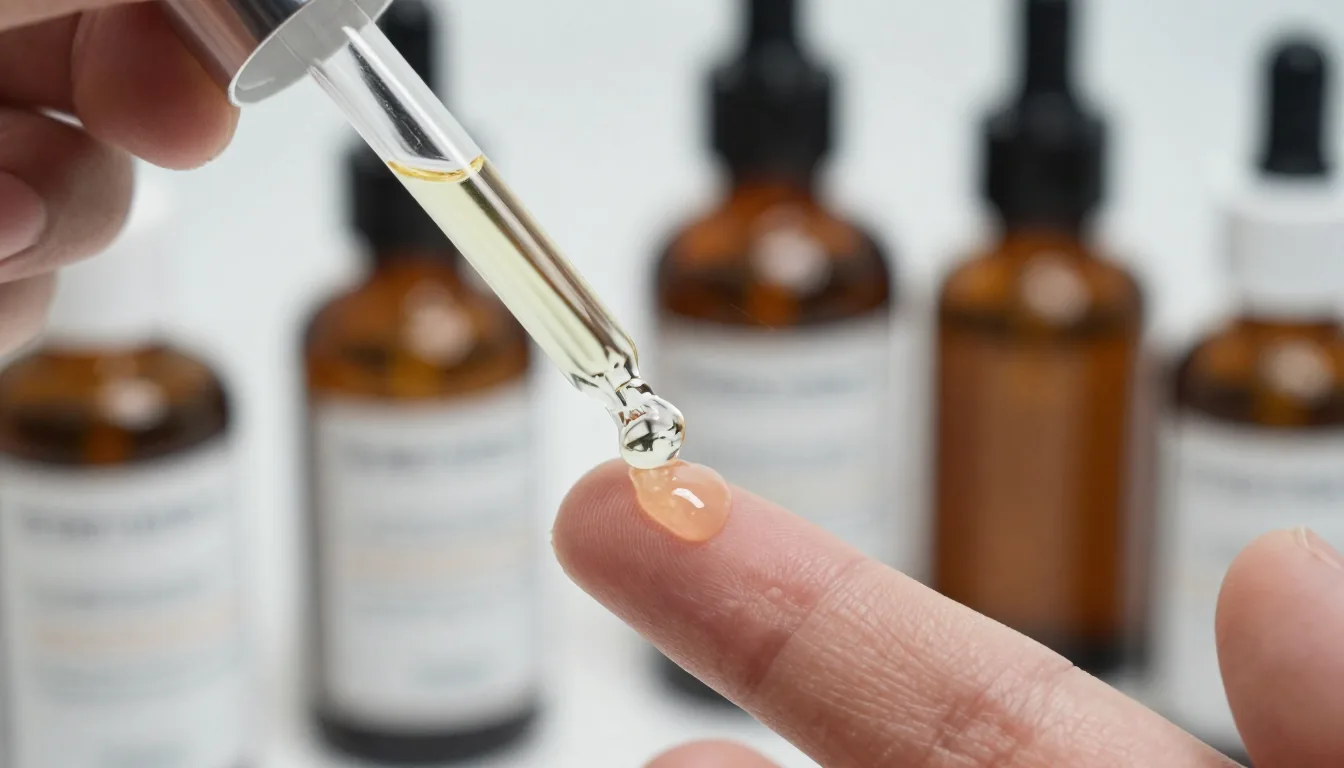
Salicylic acid (BHA) is oil-soluble and penetrates pores to dissolve sebum and dead skin cells. Use a 2% serum or toner 2–3 times per week, not daily.
Over-exfoliation can disrupt the microbiome and cause inflammation.
Always follow exfoliation with hydration to support recovery. If you have sensitive oily skin, consider starting with a lower frequency or using a wash-off BHA product.
This targeted exfoliation is a cornerstone of gentle sebum control. For more details on BHA benefits, check this dermatology study on salicylic acid.
Why Salicylic Acid Works
BHA reduces comedones and mattefies skin over time. It also has anti-inflammatory properties, ideal for acne-prone oily types.
However, balance is key—too much can lead to dryness and flaking.
Step 3: Gentle Sebum Control with Niacinamide
Niacinamide (vitamin B3) is a powerhouse for controlling oil production. At 4–5% concentrations, it reduces pore size and improves barrier function without irritation.
Apply a few drops after exfoliation or on clean skin.
This ingredient supports gentle sebum control by slowing sebocyte activity. It also boosts ceramide production, keeping the barrier strong.
Many find that regular use diminishes midday shine. For scientific backing, see this study on niacinamide for sebum control.
Step 4: Hydrate with Lightweight Humectants
Oily skin still needs hydration. Use serums with hyaluronic acid, glycerin, or beta-glucan.
These draw water into the skin without heaviness. Avoid thick creams or oils high in oleic acid, which can clog pores.
Apply while skin is slightly damp to lock in moisture. This step ensures your skin doesn't overcompensate with oil due to dehydration.
A hydrated barrier produces less sebum over time, making it a key part of gentle sebum control.
Step 5: Moisturize with an Oil-Free, Non-Comedogenic Formula
A moisturizer is essential even for oily skin. Choose gel or lotion bases containing ingredients like dimethicone, squalane (low comedogenic), or ceramides.
These seal in hydration and support barrier repair.
Look for labels like “oil-free” and “non-comedogenic.” Some users prefer a matte-finish moisturizer. Don’t skip this step—skipping can trigger excess oil production and disrupt gentle sebum control.
Step 6: Wear Sunscreen Daily That Doesn’t Clog Pores
Sun exposure worsens sebum oxidation and can thicken the outer layer of skin. Use a lightweight SPF 30+ mineral or hybrid sunscreen.
Zinc oxide and titanium dioxide are non-irritating and often less greasy.
For darker skin tones, micronized minerals or chemical filters like newer generation (Tinosorb M) work well. Reapplication is essential if you stay outdoors.
Sunscreen is non-negotiable.
Step 7: Incorporate Weekly Clay Masks for Deep Oil Control
A bentonite or kaolin clay mask once a week can absorb excess oil and impurities. Limit to 10 minutes to avoid over-drying.
Follow with a soothing sheet mask or hydrating serum.
Some clays contain sulfur, which also helps with acne. Use sparingly; too frequent use can strip the skin.
This concluding step completes your comprehensive gentle sebum control routine.
Additional Tips for Long-Term Balance
Diet and lifestyle matter: high-glycemic foods may increase sebum production. Consider a balanced diet rich in omega-3s.
Stress management also helps regulate cortisol and oil output.
Always patch-test new products. Consistency over weeks is more effective than harsh immediate fixes. For more tailored advice, explore our Beauty & Skincare category.