
Understanding UV Filter Photostability
When choosing a sunscreen, understanding UV filter photostability is crucial for effective sun protection. Photostability refers to a filter's ability to remain stable when exposed to sunlight, ensuring consistent protection throughout wear.
Without it, your sunscreen may degrade quickly, leaving skin vulnerable to damage.
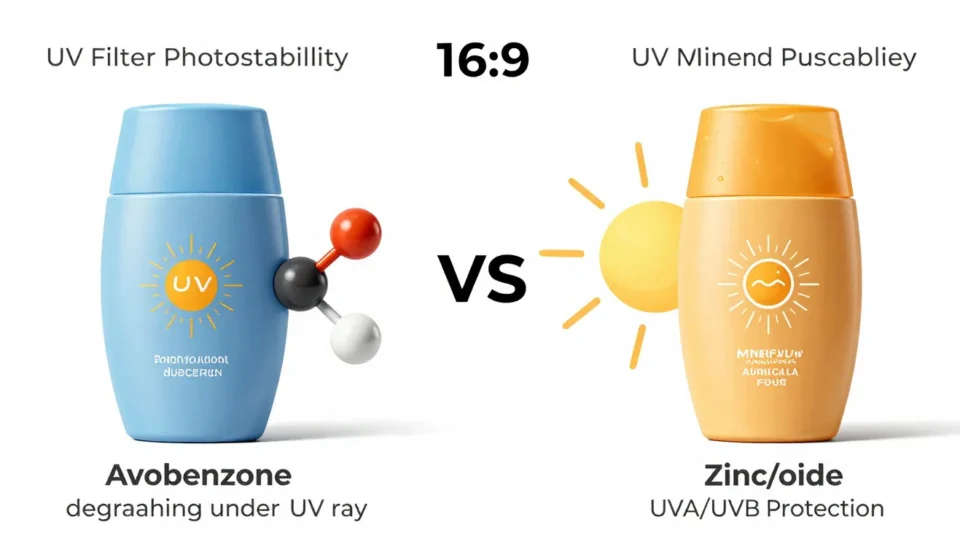
Chemical filters like avobenzone often lose efficacy within an hour, while mineral options remain largely unaffected. This knowledge helps you pick products that deliver reliable, long-lasting defense against UVA and UVB rays.
Photostability also impacts the environmental safety of sunscreens. Degraded filters can form harmful byproducts that may be absorbed into the skin or released into water sources.
By choosing photostable formulations, you protect both your health and the planet.
The Science Behind Chemical Sunscreen Degradation
Chemical UV filters absorb UV energy and convert it into heat, but some break down during this process. Avobenzone, a common UVA filter, can degrade up to 50% in sunlight if not properly stabilized.
This breakdown highlights why UV filter photostability is critical for long-lasting defense.
Formulators counter this by adding stabilizers like octocrylene or using encapsulated formulations. However, the photostability of a product depends on the entire blend, making ingredient labels essential reading for informed choices.
Newer filters like Tinosorb S and Uvinul A Plus offer superior stability, but they are not yet approved in all countries. Always look for stabilized avobenzone when using chemical sunscreens, or opt for mineral alternatives.
Mineral Filters: Inherently Stable Options
Zinc oxide and titanium dioxide are physically stable and reflect UV rays without chemical change. Their inherent UV filter photostability makes them a top choice for those seeking reliable protection.
They provide immediate broad-spectrum protection and are gentle on sensitive skin.
Micronized and nanoparticle versions improve texture, but non-nano zinc oxide offers similar stability with lower health concerns. For those prioritizing longevity, mineral sunscreens are a reliable choice.
Mineral filters also work well under makeup because they reflect light rather than absorbing it. They are less likely to cause stinging or irritation, making them ideal for post-procedure skin.
Synergistic Blends for Enhanced Defense
Combining chemical and mineral filters can optimize UV filter photostability while broadening protection. For instance, zinc oxide helps stabilize avobenzone, and newer filters like Tinosorb S and M improve overall stability.
Such blends maximize UV filter photostability and allow higher SPF and UVA-PF ratings.
Products with both filter types often deliver consistent protection over longer periods. Look for formulations that list multiple filters to maximize photostability and coverage.
Some hybrid sunscreens also include antioxidants like vitamin E or ferulic acid to reinforce photostability and neutralize free radicals. This layered approach ensures your skin stays protected throughout the day.
Practical Tips for Maximizing Sun Protection
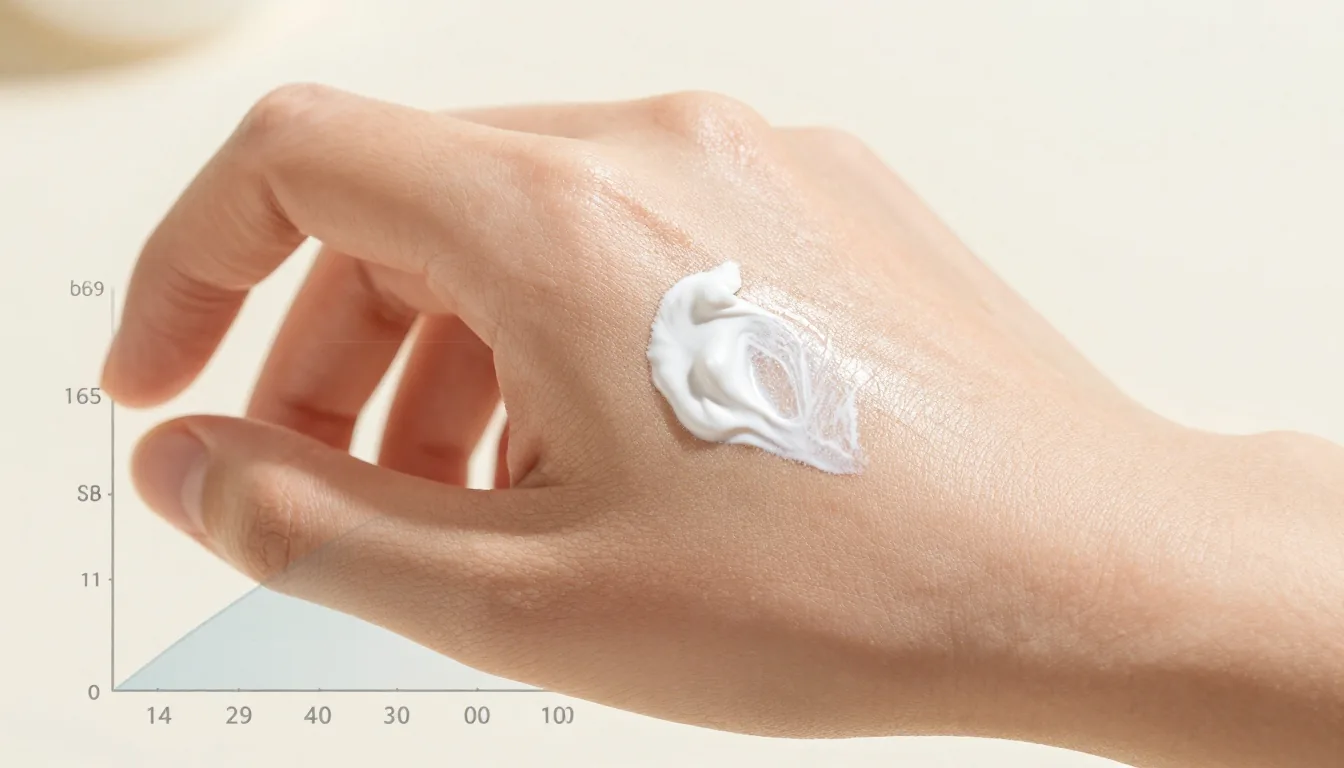
Apply sunscreen generously and reapply every two hours, especially after swimming or sweating. Even the most photostable filters can wear off physically.
Regular reapplication complements UV filter photostability. Use at least a quarter teaspoon for the face and entire neck.
Store sunscreen away from heat and direct sunlight to preserve its photostability. Expired products lose efficacy fast, so check dates regularly.
For daily use, consider a moisturizer with SPF combined with a separate sunscreen for extra security.
Tailoring Sunscreen to Your Skin Type
Oily and acne-prone skin benefits from lightweight chemical sunscreens with good photostability, such as those containing isopropyl myristate or silica. Your skin type may influence which UV filter photostability profile suits you best.
Dry skin prefers mineral sunscreens with hydrating ingredients like glycerin or hyaluronic acid. Sensitive skin should seek zinc oxide-based options with minimal chemical filters to reduce irritation risk.
Always check for “broad spectrum” labeling to ensure UVA and UVB coverage. Understanding UV filter photostability helps you select a sunscreen that matches your skin’s needs and lifestyle.
To master Beauty & Skincare knowledge, remember that UV filter photostability is key to effective sun protection. For more insights, visit the Skin Cancer Foundation and this photostability study. A detailed guide from EWG’s sunscreen report offers further reading on filter combinations.