
Understanding Texture and Intensity
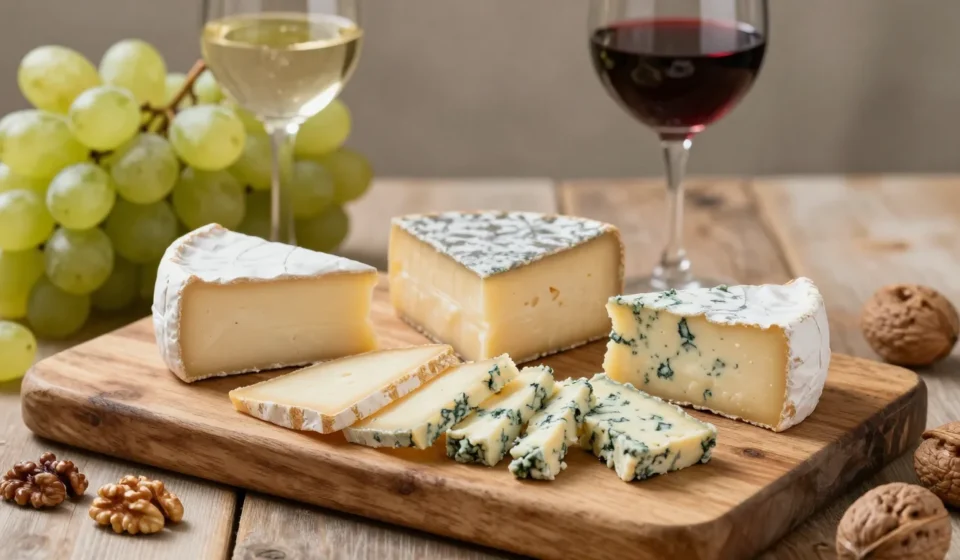
The foundation of any successful wine and cheese pairing lies in respecting the texture and intensity of each component. A delicate, creamy Brie demands a different partner than a crumbly, sharp aged Gouda. The goal is not to overpower, but to create a dialogue where neither element shouts louder than the other.
A great wine and cheese pairing respects the balance of flavors; for example, a tangy goat cheese pairs beautifully with a crisp Sauvignon Blanc. Similarly, a creamy triple-cream cheese needs a wine with enough acidity to cut through the richness—think sparkling wine or a dry Riesling.
This principle is at the heart of successful wine and cheese pairing.
Think of the cheese's fat content and saltiness. High-fat cheeses coat the palate and can mute tannins, while salty cheeses cry out for acidity or sweetness.
Remember the basic principle: hard cheeses often pair well with reds, soft cheeses with whites, but this is just the start.
The Golden Rule of Wine and Cheese Pairing: Match Body and Strength
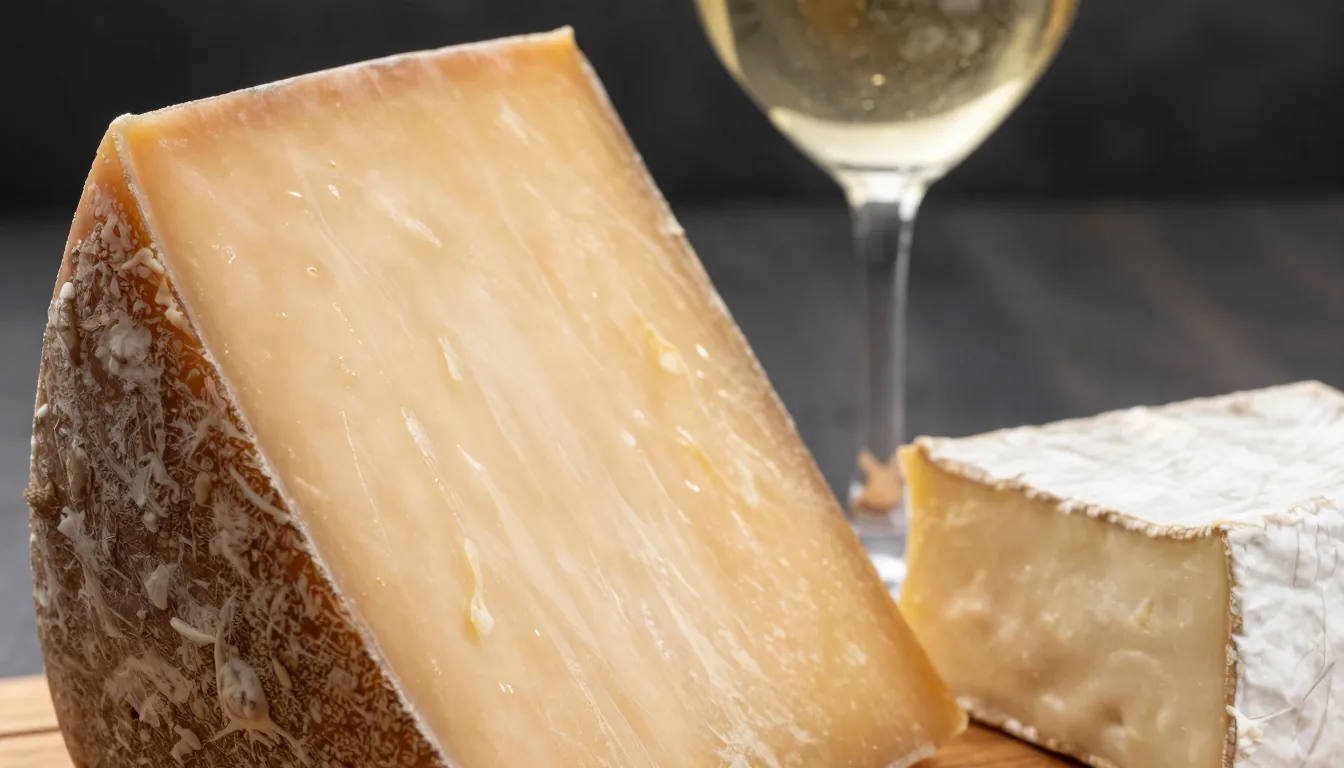
A common mistake is to assume that red wine always goes with cheese. In reality, a powerful Cabernet Sauvignon can easily obliterate a delicate chèvre.
Instead, match body to body: a soft, bloomy-rind cheese like Camembert sings with a crisp Champagne or a light Pinot Noir, while aged Comté, with its nutty intensity, can handle a medium-bodied white Burgundy or a subtle red like Beaujolais.
For blue cheeses, the classic port pairing works because the wine's sweetness tames the cheese's salt and bitterness. Similarly, a sweet Sauternes can be magical with Roquefort.
The key is to seek balance or contrast wisely, and when in doubt, choose a wine with similar intensity and flavor profile.
When in doubt, start with a cheese you love and find a wine that complements its intensity. This approach simplifies wine and cheese pairing for beginners and builds confidence to explore further.
Regional Pairings: Go Local
Nature often provides the perfect match. The same region that produces a legendary cheese also cultivates the wine that complements it.
A tangy, goat's milk Crottin de Chavignol is a natural companion for a Sancerre from the Loire Valley, as the wine's minerality and citrus notes echo the cheese's freshness.
Exploring regional wine and cheese pairing is a fun way to discover classic combinations. The terroir often aligns perfectly, as seen with Parmigiano-Reggiano and Lambrusco, or aged Manchego with Rioja.
These pairings are not accidental but evolved through centuries of coexistence.
Don’t hesitate to explore these geographical harmonies—they rarely disappoint, as the history and culture of each region enhance the experience. For a deeper dive, check out Wine Folly’s pairing guide.
Acidity and Fat: The Balancing Act
Acidity in wine acts like a palate cleanser when faced with fatty cheeses. A high-acid Sauvignon Blanc or a dry Riesling can slice through the richness of a triple-cream cheese, resetting your taste buds for the next bite.
This is why goat cheese and Sauvignon Blanc are such a beloved duo—the acid cuts the tangy fat perfectly.
Understanding acidity is fundamental to mastering wine and cheese pairing. A high-acid wine can rescue a heavy cheese, while a low-acid wine may feel flat.
Tannins in red wine interact with cheese protein and fat, sometimes creating a metallic taste. That’s why many soft-ripened cheeses clash with tannic reds; stick to white or sparkling for soft cheeses, or opt for low-tannin reds like Pinot Noir or Gamay.
Don’t Forget the Accompaniments
Nuts, fruits, and honey can bridge the gap between wine and cheese—a drizzle of honey on blue cheese mellows its sharpness, making it friendlier to a sweet wine, and fresh figs or dates provide a natural sweetness that enhances both elements. Always consider the entire board, not just the cheese and wine in isolation.
Accompaniments like honey and nuts can enhance your wine and cheese pairing, creating new flavor dimensions. Bread and crackers also matter: a neutral cracker lets the cheese shine, while a herbed or spiced variety can compete or complement. For more expert advice, see Cheese.com’s flavor wheel.
Conclusion: Trust Your Palate
Ultimately, the best wine and cheese pairing is the one that delights you. Don’t be afraid to experiment and break the rules—your taste buds are the final judge. Remember, every palate is unique, so explore our Gastronomy & Food section for more inspiration—happy pairing!