
Pizza History Evolution: Neapolitan Roots
Every bite of pizza carries centuries of tradition, migration, and innovation. Understanding pizza history evolution means tracing a simple flatbread from the alleys of Naples to the bustling streets of New York. It is a story of humble ingredients and bold reinvention.
Today, pizza is a global icon, but its soul remains rooted in Italian soil. Let’s travel back to where it all began.
Neapolitan Origins: The Birthplace of Pizza
Pizza's origins lie in Naples, a vibrant port city in the 18th century. The poor ate flatbreads topped with tomatoes, garlic, and olive oil—affordable and filling.
These early pizzas were sold by street vendors.
The modern pizza took shape in 1889 when chef Raffaele Esposito created three pizzas for Queen Margherita. The one with tomatoes, mozzarella, and basil—colors of the Italian flag—won her favor.
Thus, the Pizza Margherita was born.
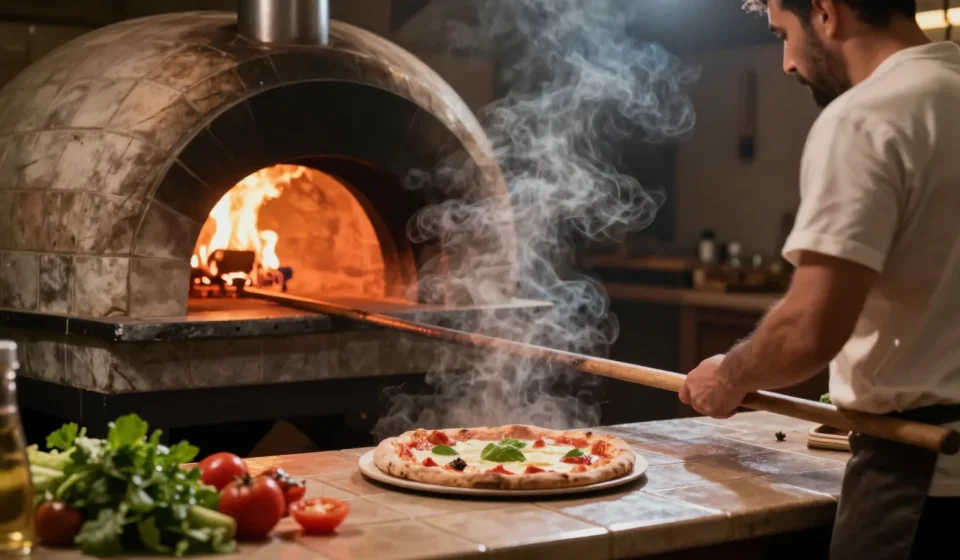
This period marks a crucial phase in pizza history evolution. Neapolitan pizza is defined by its soft, thin crust, cooked quickly in a wood-fired oven.
The ingredients are simple: San Marzano tomatoes, fresh mozzarella, basil, and olive oil, and true Neapolitan pizza has a protected status (STG).
The wood-fired oven reaches 900°F, cooking the pizza in 60-90 seconds. This high heat creates the characteristic char and puffy crust that defines authentic Neapolitan pizza.
Italian Immigration and the American Pizza Revolution
In the late 19th and early 20th centuries, millions of Italians emigrated to the United States. They brought their culinary traditions, including pizza.
This wave of Italian immigration was a pivotal chapter in pizza history evolution.
The first pizzeria in America opened in 1905: G. Lombardi's in New York City's Little Italy.
Lombardi's initially sold tomato pie, but soon added mozzarella, marking a key step in pizza history evolution in the New World. The coal-fired oven produced a thin, crispy yet chewy crust—the quintessential New York slice.
Pizza remained an ethnic food until after World War II, when returning soldiers craved the tastes they encountered in Italy. The demand exploded, and pizzerias spread nationwide.
Each region adapted pizza to local tastes, creating distinct styles.
The post-war boom led to the rise of chains like Pizza Hut and Domino’s, which adapted pizza for mass production and delivery. This made pizza accessible to a wider audience.
New York Style: Big, Foldable, and Iconic
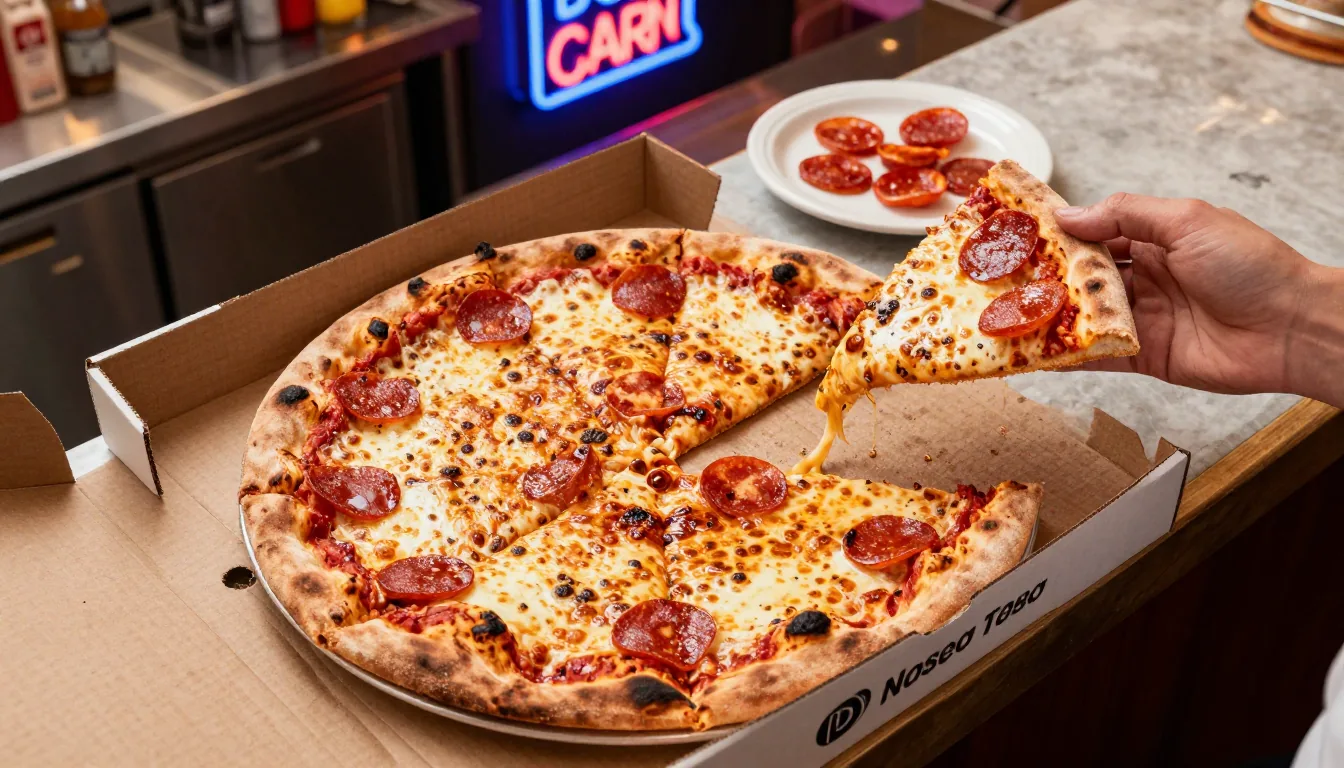
New York–style pizza is large, thin, and hand-tossed. It has a crisp outer crust and a tender interior, designed to be folded and eaten on the go.
The high-gluten flour and hard water of New York contribute to its signature chew.
Toppings are simple: a thin layer of sweet tomato sauce, mozzarella, and optional extras like pepperoni. The slices are wide, often sold by the slice.
This style dominates the Northeast and has become synonymous with American pizza.
New York style pizza is a major milestone in pizza history evolution. Its influence can be seen in pizzerias across the globe, adapting the basic formula to local preferences.
Many New York pizzerias still use coal-fired ovens, giving the crust a distinctive crispness and slight smokiness. This method is cherished by purists.
Chicago Deep Dish: The Upside-Down Pizza
In 1943, Ike Sewell and Ric Riccardo opened Pizzeria Uno in Chicago, introducing deep-dish pizza. This creation was a response to the desire for a heartier meal.
The crust is like a thick pie shell, filled with cheese, toppings, and chunky tomato sauce.
The baking process is reversed: cheese goes first, then toppings, then sauce. The deep dish requires a long bake in a pan, producing a buttery, flaky crust.
It is more a casserole than a traditional pizza, but undeniably delicious.
Chicago also offers stuffed pizza and thin-crust tavern style, but the deep dish remains its most famous contribution. This style represents a unique branch of pizza history evolution, showing how regional tastes can reshape a classic.
Deep dish pizza is often eaten with a knife and fork due to its thickness and weight. It is a meal unto itself.
Regional Adaptations and Modern Trends
Across the United States, pizza evolved further. In New Haven, Connecticut, the thin, charred crust of apizza (pronounced “a-beetz”) is a local treasure.
In Detroit, rectangular pizza with a thick, airy crust was born in auto plants.
California-style pizza, popularized by chefs like Wolfgang Puck, uses non-traditional toppings like goat cheese and sun-dried tomatoes. Meanwhile, the Neapolitan revival in America brought wood-fired ovens and DOP ingredients back to the forefront.
The continuous pizza history evolution is evident in these regional variations. Today, artisanal pizzerias honor traditions while pushing boundaries.
The journey from Naples to New York—and beyond—continues to unfold.
Internationally, pizza has been embraced with local twists. In Japan, toppings like squid and mayonnaise are popular.
In Brazil, green peas and hearts of palm are common.
Conclusion: A Global Love Affair
The pizza history evolution is a testament to cultural exchange and culinary creativity. From the streets of Naples to the skyscrapers of New York, pizza has adapted without losing its soul.
Whether you prefer a classic Margherita or a loaded deep dish, each slice tells a story.
Explore more Gastronomy & Food articles and deepen your appreciation for the world’s favorite food. For further reading, check out the Smithsonian’s history of pizza and Associazione Verace Pizza Napoletana.