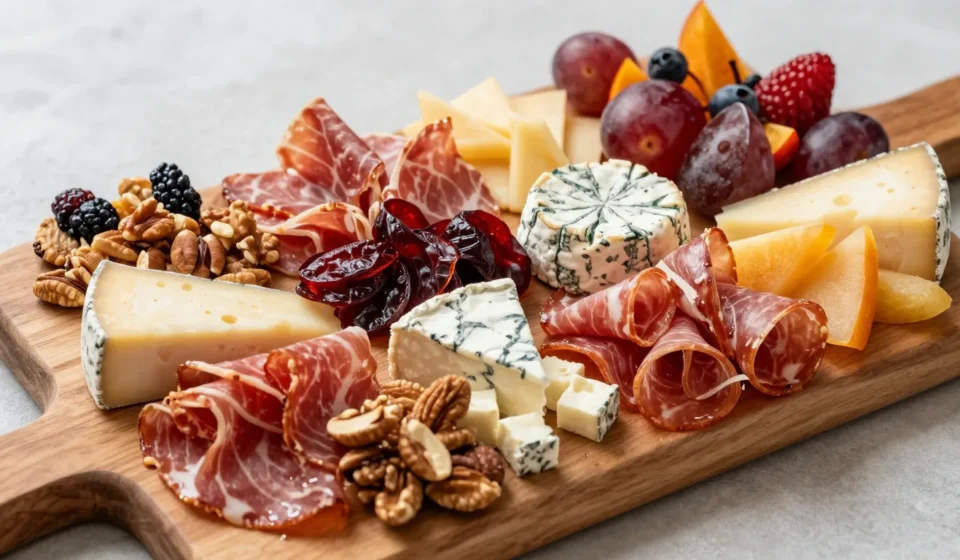

Charcuterie Board Essentials: Building a Balanced Spread
A charcuterie board is more than an appetizer; it’s a canvas of contrasts and harmonies. Understanding charcuterie board essentials transforms simple ingredients into a conversation.
The key lies in balance: salty meets sweet, creamy meets crunchy, and bold meets delicate. Each component plays a role, telling a story of terroir and tradition.
Whether hosting a casual gathering or a festive soirée, a well-built board invites exploration.
Let's unlock the secrets to curating one that dazzles the senses. With these tips, your charcuterie board will be the highlight of any gathering.
The magic happens when you treat ingredients as a symphony rather than a solo act.
Cured Meats: The Heart of the Board
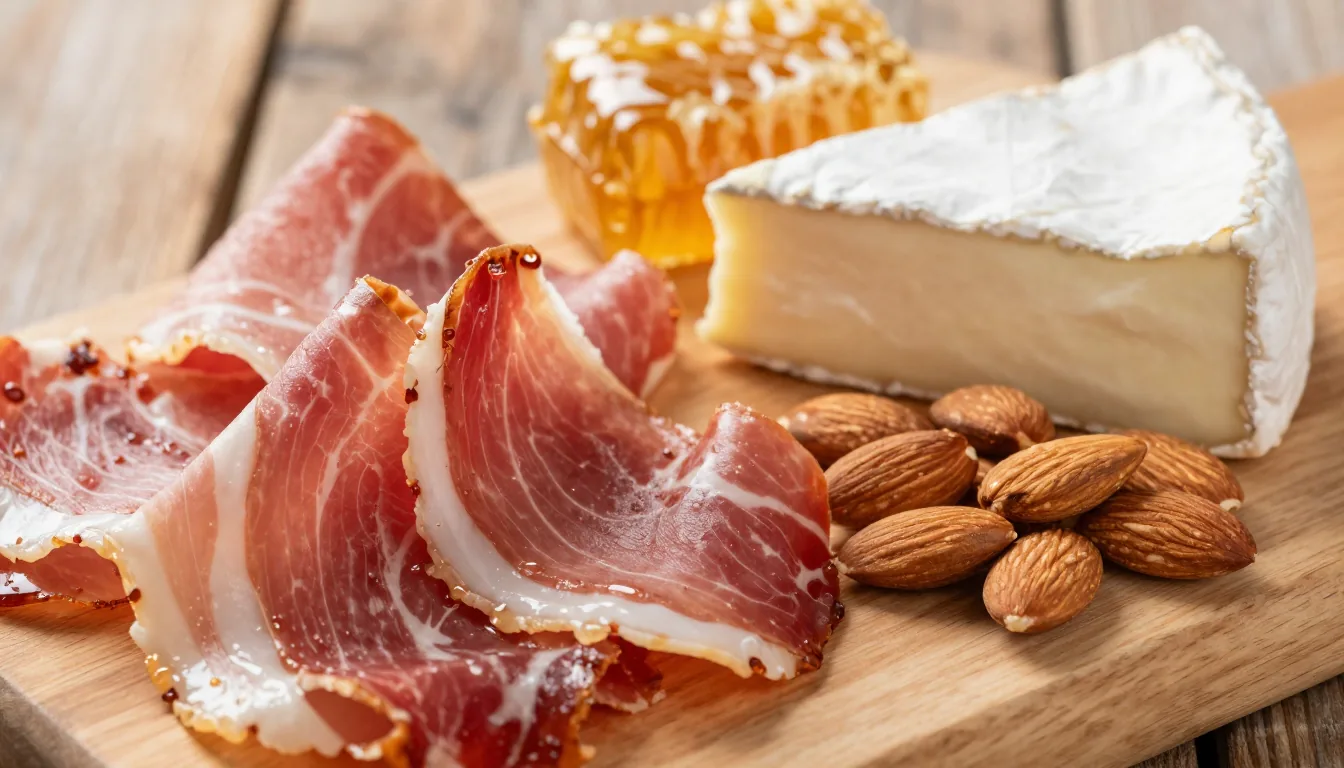
The core of charcuterie board essentials is the cured meat selection. Choose a variety of textures: silky prosciutto, robust salami, and spicy soppressata.
Fold or roll slices for volume and easy grabbing.
Aim for three to five varieties to cover a spectrum of flavors. For a unique twist, include bresaola drizzled with olive oil or duck prosciutto.
Pair each meat with a complementary condiment like fig jam or whole-grain mustard.
Selecting Quality Cuts
Look for artisanal producers who cure without artificial additives. Marbling in coppa or peppery finocchiona adds layers.
Always serve meats at room temperature for peak flavor.
Pair with tangy cornichons to cut through fat. Serve meats in a fan shape from mild to bold, allowing guests to taste a progression.
Cheeses: Crafting a Flavor Journey
Cheese is a cornerstone of charcuterie board essentials. Select a variety: soft brie, aged cheddar, and blue cheese like gorgonzola.
Include a firm cheese like Manchego for nutty notes.
Offer at least three cheeses: one soft, one semi-hard, and one blue. Cut them in different shapes—cubes, wedges, or small slices—for visual appeal.
Remember to let cheeses come to room temperature before serving for fullest flavor.
Pairing Cheeses with Accompaniments
Drizzle honey over blue cheese for sweet-savory contrast. Arrange dried figs near cheddar to echo its sharpness.
Soft cheeses adore fresh berries or a dollop of fruit preserves.
For creamy goat cheese, add roasted beets and walnuts. Label each cheese for guidance, perhaps with a small handwritten tag.
Accompaniments: Texture and Contrast
Accompaniments in charcuterie board essentials provide contrast and excitement. Include fresh and dried fruits: grapes, apple slices, apricots, or dates.
Add crunchy elements like Marcona almonds or candied pecans.
For sweetness, use honeycomb or fig jam. For tang, whole-grain mustard or tapenade.
Cornichons and pickled onions cut richness, while olives—castelvetrano for butteriness or kalamata for brine—add a Mediterranean twist.
Spreads anchor the board with bold flavors. Fig jam pairs beautifully with Manchego, and honeycomb adds a touch of elegance.
Serve with an assortment of crusty bread slices, breadsticks, or crackers.
Arrangement: The Visual Feast
Mastering charcuterie board essentials involves thoughtful arrangement. Start with largest bowls for spreads or olives, placing them at the board's edges.
Place cheeses at intervals, then fan meats around them.
Fill gaps with fruits, nuts, and pickled items. Use color and height: elevate soft cheese on a wooden block or add a small bowl of olives.
Add fresh rosemary sprigs or edible flowers for greenery.
Label each cheese or meat with a small sign. This adds sophistication without pretension.
Remember, the board should reflect generous abundance—overlap ingredients slightly for a bountiful look.
With these charcuterie board essentials, you can create a spread that delights both eyes and palate. Experiment with seasonal ingredients and personal favorites. For more inspiration, explore our Gastronomy & Food archive.
For deeper insights, read about cured meat traditions on Serious Eats and cheese pairing at Cheese.com.