The Ultimate Guide to Extra Virgin Olive Oil: Grades, Sensory Secrets, and Culinary Art

The Grades of Olive Oil: Beyond the Labels
Extra virgin olive oil is the highest grade, obtained solely by mechanical means with no chemical treatment. Its acidity must be below 0.8% and it must possess no sensory defects.
The next tier is virgin olive oil, with acidity up to 2% and minor flaws. Then comes refined olive oil, which is chemically processed to remove defects, often blended with virgin oil to create "pure" or "light" olive oil.
Knowing these distinctions matters because only extra virgin olive oil retains the full spectrum of polyphenols, antioxidants, and volatile aromas that define its character. A bottle labeled simply "olive oil" is almost certainly a blend of refined and virgin oils, offering little in terms of taste or health benefits.
For a deeper look at selecting the best oils, explore our Gastronomy & Food section.
The Art of Sensory Evaluation: Tasting Like a Pro
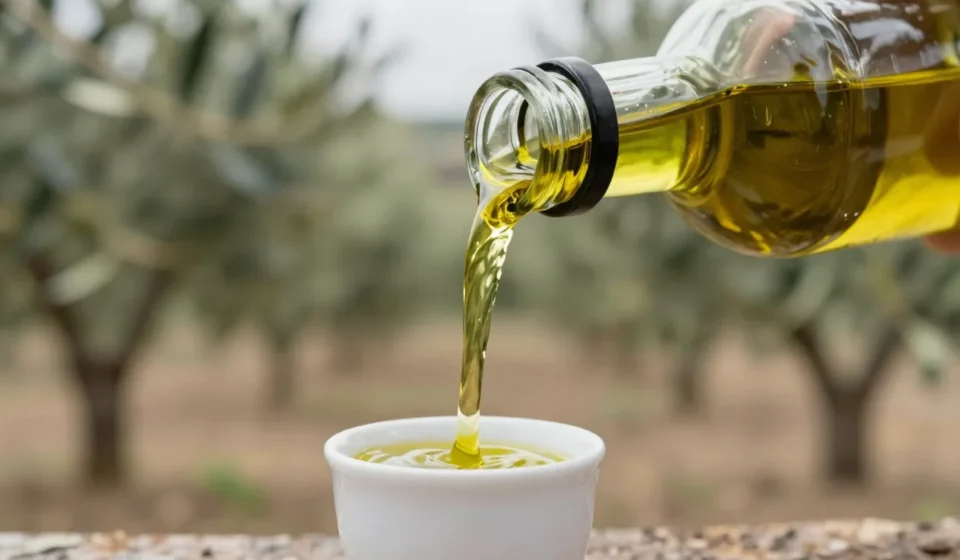
Tasting olive oil is surprisingly similar to wine tasting. Begin by pouring a small amount into a blue or opaque cup to mask color biases.
Swirl gently to release aromas, then cup your hand over the top to trap volatile compounds.
Bring the glass to your nose and inhale deeply. Fresh grass, green tomato, artichoke, and almond are positive attributes.
Off-flavors like musty, rancid, or metallic indicate defects. Next, take a small sip and slurp with air to aerate the oil across your palate.
Pay attention to bitterness (a positive sign of polyphenols) and pungency or pepperiness at the back of the throat, which indicates high antioxidant content.
Common Defects to Recognize
Rancid: leathery or crayon-like smell. Fusty: dirty, damp cloth aroma from olives stored improperly.
Winey-vinegary: reminiscent of wine, indicating fermentation. A quality extra virgin olive oil will be clean, fruity, and vibrant.
Cooking and Finishing: How to Best Use Your Oil
For high-heat cooking like sautéing or frying, choose a robust extra virgin olive oil with a smoke point around 375–410°F. Despite its reputation, good EVOO can handle moderate heat without breaking down.
For finishing, select a delicate or medium-intensity oil to drizzle over soups, grilled vegetables, or fresh bread.
Never store olive oil near the stove or in direct light. Keep bottles in a cool, dark cupboard.
Use within 18 months of harvest for maximum flavor. The golden rule: let the oil's personality guide your dish.
A grassy, peppery EVOO elevates a simple salad, while a buttery, mild one shines on fish.
Choosing the right extra virgin olive oil for a dish can elevate the entire meal. A robust, peppery oil pairs wonderfully with bitter greens or grilled meats, while a mild, buttery oil is perfect for delicate fish or desserts.
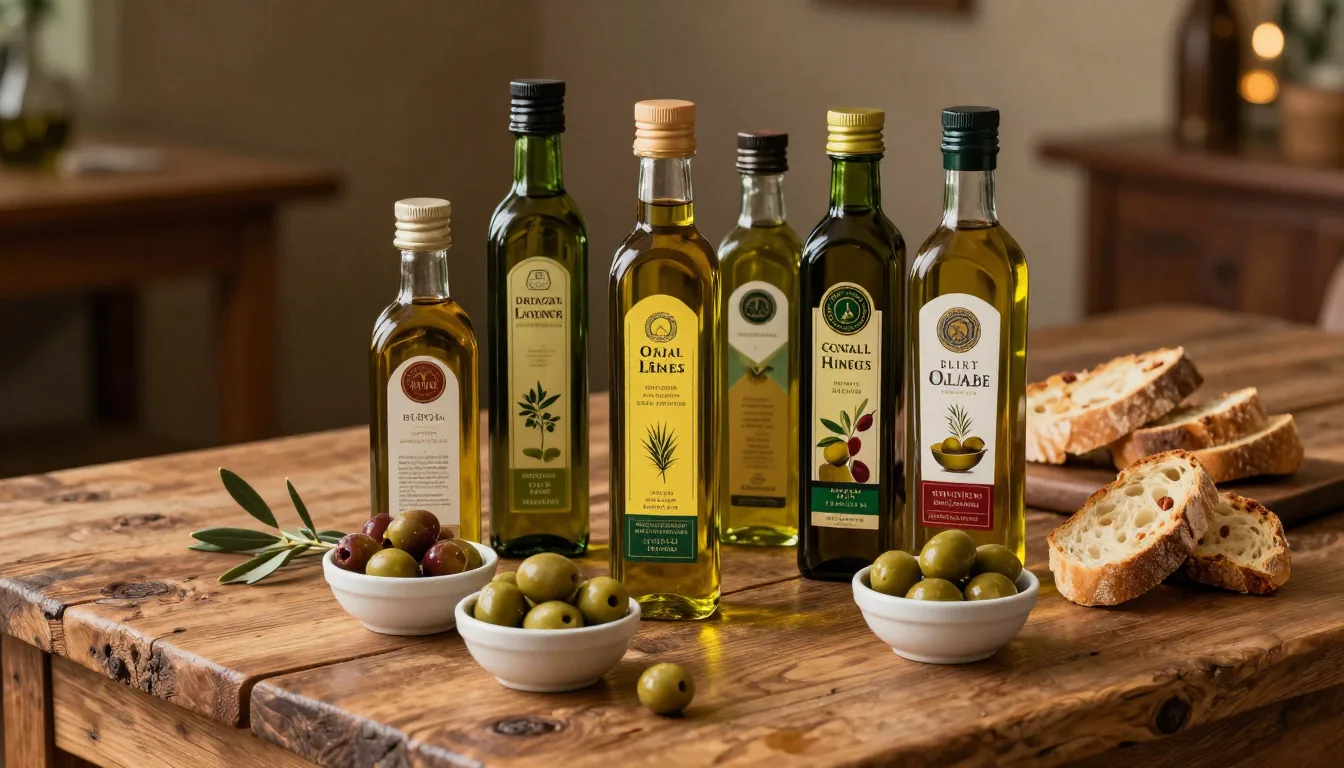
Experimenting with different varieties from around the world will expand your culinary repertoire. For instance, single-varietal oils from Italy, Spain, and Greece offer unique profiles worth exploring.
Health Benefits of Premium Olive Oil
Beyond its culinary virtues, premium olive oil offers remarkable health benefits. Rich in monounsaturated fats, it supports cardiovascular health and helps maintain healthy cholesterol levels.
The anti-inflammatory properties of oleocanthal, a unique compound in EVOO, mimic the effects of ibuprofen.
Studies have shown that a Mediterranean diet rich in olive oil can reduce the risk of chronic diseases. Including just two tablespoons daily can provide a significant dose of antioxidants.
For maximum benefit, always choose fresh, high-quality extra virgin olive oil.
To deepen your knowledge, consult resources like the Olive Oil Times or the International Olive Oil Council.
Why Terroir Matters in Extra Virgin Olive Oil
Just as with wine, the region where olives are grown imprints unique flavors. Italian oils often have herbal, grassy notes; Spanish oils may be more fruity and nutty; Greek oils tend to be robust and peppery.
Single-varietal oils from cultivars like Arbequina, Koroneiki, or Frantoio offer even more nuance. When selecting a bottle, look for a harvest date (not just a best-by date) and a seal like PDO or PGI to guarantee origin.
Try oils from different regions to discover your preferences. The diversity of extra virgin olive oil is a journey of flavor waiting to be explored.