
Why You Need a Rug Size Guide
Choosing the right rug size is a cornerstone of good interior design, and a comprehensive rug size guide can help you get it right. A rug that’s too small can make a room feel disjointed, while an oversized one can overwhelm the space.
This guide takes the guesswork out of shopping and ensures your floors look beautifully balanced. Think of a rug as the anchor for your furniture arrangement—the right dimensions tie the room together and define zones within open-concept layouts.
Without a proper guide, even the most stylish rug can fall flat. That’s why we’ve created this room-by-room breakdown.
Living Room Rug Essentials
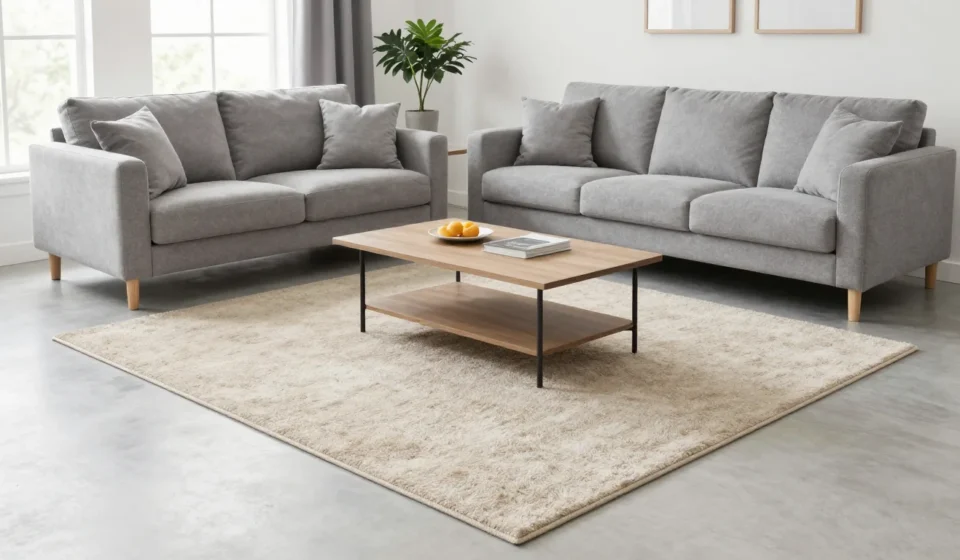
According to a comprehensive rug size guide, your living room rug should be large enough to fit all front legs of your furniture. For most sofas, an 8×10 or 9×12 rug is ideal.
In a smaller space, a 5×8 rug can work if placed under the coffee table alone.
Always leave at least 12-18 inches of bare floor around the rug's edges. This creates a visual border that keeps the room from feeling cramped.
For sectional sofas, measure the entire seating area and choose a rug that extends beyond all sides.
Pro Tip for Open Floor Plans
Use a large rug to define the living area within a larger room. Ensure the rug is proportional to the space—at minimum, it should extend under the front legs of all major pieces.
A rug that's too small will make the zone feel like an island.
Bedroom Rug Guidelines
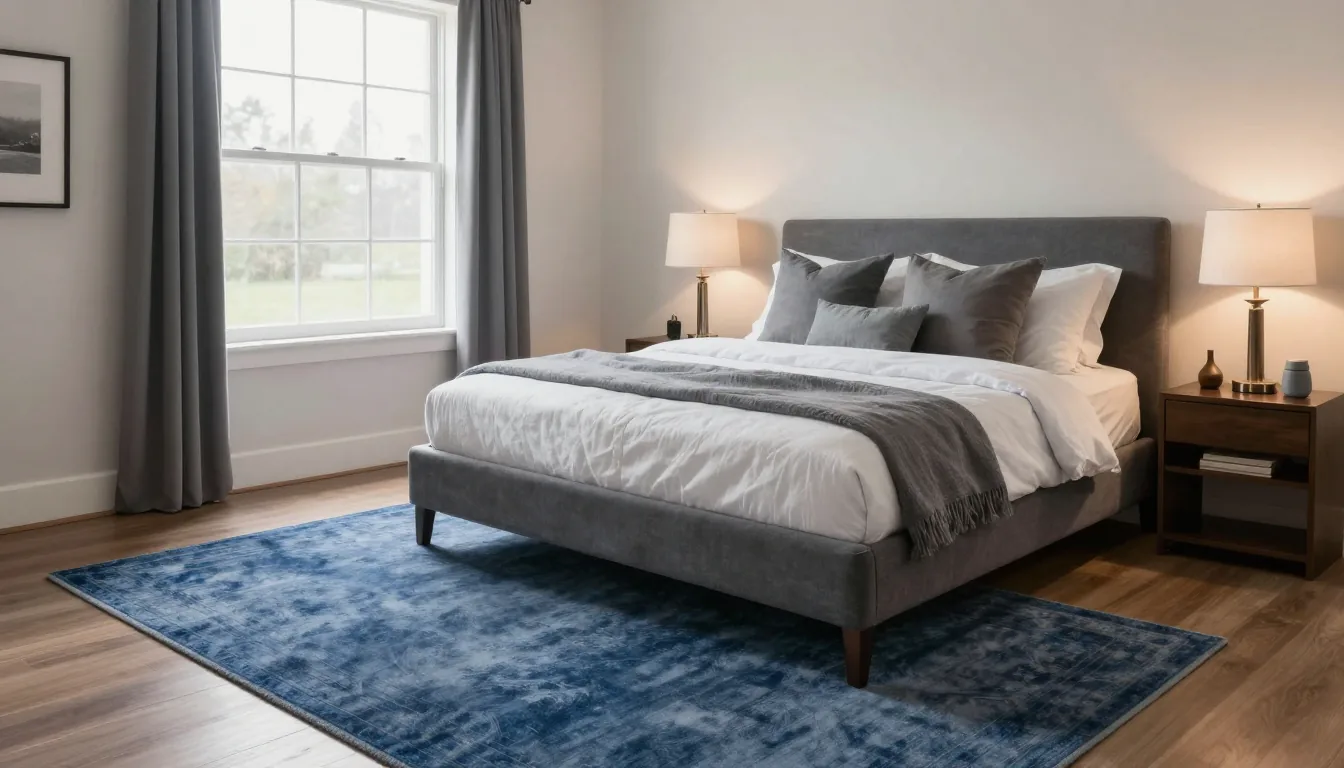
A bedroom rug should soften the floor and add warmth underfoot. For queen and king beds, an 8×10 rug placed under the bed and extending out on both sides and the foot is perfect.
Alternatively, use two runners on each side of the bed.
If you prefer a smaller rug, place it at the foot of the bed—just make sure it covers the area where you step out. A 5×8 or 4×6 rug works well for this.
Runners should be at least 24 inches wide for comfortable stepping.
Layer Rugs for Extra Style
Consider layering a smaller, textured rug on top of a larger neutral one. This adds depth and personality without committing to a bold pattern.
Just ensure the bottom rug is large enough to peek out evenly around the top rug.
Dining Area Rug Dimensions
In the dining room, your rug must be large enough to accommodate the table and all chairs—even when pulled out. As any rug size guide will tell you, measure your table and add 24 inches on each side.
For a standard 6-person table, an 8×10 rug usually works.
A rug that's too small will cause chairs to catch on the edges. Always choose a rug that extends at least 24 inches beyond the table edge on all sides.
This ensures chairs stay on the rug when in use.
Hallway and Entryway Runner Tips
For hallways, choose a runner that leaves 4-6 inches of floor space on each side. The runner should be long enough to run most of the hallway length, but not stretch from wall to wall.
A small gap prevents the runner from looking cramped.
In entryways, a 2×3 or 3×5 rug works well for small spaces. For larger foyers, a 5×7 or 4×6 can anchor the area.
Make sure the rug is durable and easy to clean since it gets heavy traffic.
General Rug Placement Rules
No matter the room, keep these rules from our rug size guide in mind: Leave 10-20 inches of bare floor around the rug’s perimeter in large rooms, and 6-10 inches in smaller spaces. Always measure your room and furniture before buying.
Finally, remember that rugs can be layered for personal style. Use the Home Decor & DIY category for more inspiration on creating balanced spaces.
For further reading, check out The Spruce’s Rug Sizing Guide or HGTV’s Expert Advice.