

Why Sibling Rivalry Management Matters
Effective sibling rivalry management starts with understanding that fighting is normal. Kids fight over toys, attention, territory, and sometimes just because they're tired or hungry.
But constant conflict can drain any parent. Understanding the root causes helps you respond smarter.
Jealousy, boredom, and unmet needs often fuel the fire. Your goal isn't zero fighting—it's teaching them how to handle disagreements.
Effective sibling rivalry management also involves setting clear expectations. Explain that hitting is never okay and that talking through problems is expected.
Consistency is key.
Set the Stage for Peace
Create a Fair Environment
Kids feel injustice sharply. Avoid comparing them or labeling one as the "good one." Give each child special one-on-one time, even if it's just 10 minutes a day.
This dedicated attention reduces jealousy and improves sibling rivalry management.
Make shared spaces work. Have enough of the high-demand toys or use timers for turns.
When kids feel their needs are met, fights decrease significantly.
Teach Emotional Vocabulary
When a child screams “He took my toy!” they might mean “I feel frustrated because I wasn’t done.” Label feelings: “You’re angry because you wanted more time.” This emotional coaching is a key part of sibling rivalry management.
Practice simple phrases: “I need space” or “Can I have a turn when you’re done?” Role-play conflicts during calm moments to build real-time skills.
Intervene With Purpose, Not Panic
Not every squabble needs your input. Minor scrapping over a blanket?
Let them figure it out. Physical aggression or name-calling?
Step in. Knowing when to act is crucial for effective sibling rivalry management.
Use the “referee method”: sit down, ask each child to state their side without interruptions, then have them propose solutions. Avoid taking sides—you’re the mediator, not the judge.
Natural Consequences Work Best
If they fight over a video game, the game goes off for 10 minutes. This natural consequence teaches cause and effect without you yelling.
Follow through calmly every time.
For older kids, create a “problem-solving jar” with written solutions—taking turns, rock-paper-scissors, or flipping a coin. They choose one and live with the outcome.
Build Bonding Moments
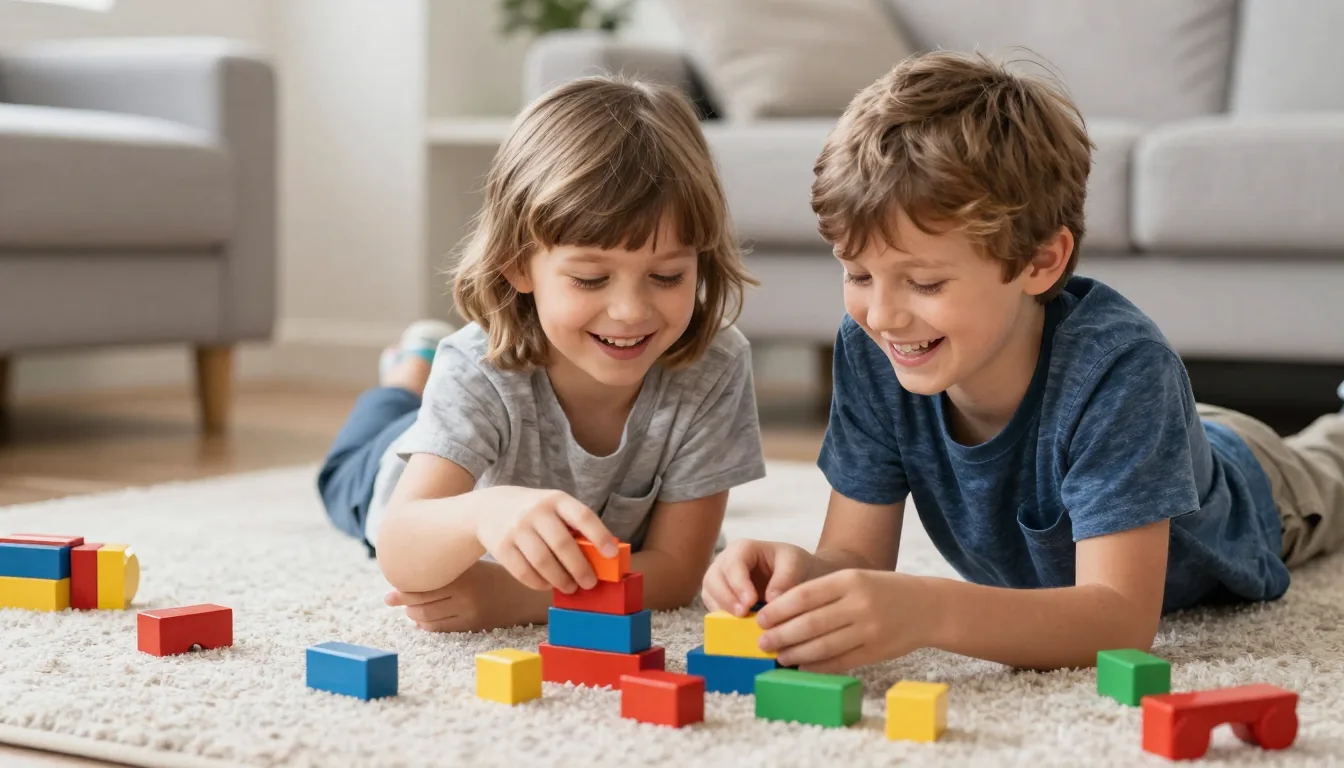
Sometimes you have to engineer peace. Plan activities where siblings must cooperate to succeed—building a fort, baking cookies, or a scavenger hunt.
These cooperative activities are a cornerstone of sibling rivalry management. Teamwork creates shared memories and reduces conflict.
Such experiences foster empathy and understanding, which are essential goals of sibling rivalry management.
Encourage them to play together by being a bit scarce. When you hover, kids compete for your attention.
Step back and let them entertain each other, even if it's messy.
The Power of Praise
Catch them being nice. "I love how you shared the crayons" reinforces positive behavior more than punishing fights.
Make a big deal out of peaceful moments. This positive reinforcement is a gentle tool for sibling rivalry management.
Use a sibling "kindness jar"—add marbles when they help each other. When full, they earn a joint reward like a pizza night.
This shifts focus from conflict to cooperation.
When to Worry
Most rivalry is normal, but if sibling rivalry management fails to reduce conflict over time, consider family therapy. Signs to watch: violent fights, power imbalance, or daily tears.
A professional can help if one child seems to be the constant victim.
Also watch for signs of stress in your own behavior. If you're constantly yelling about sibling fights, take a break.
Breathe. Come back calm.
Your reaction sets the tone. Remember, sibling rivalry management is a long-term process, not a quick fix.
For more support, browse our Parenting & Family section. External resources: Child Mind Institute sibling advice, Zero to Three strategies.