

Why the Words We Use Matter More Than We Think
We've all been there: exhausted, frustrated, and blurting out phrases we instantly regret. But research in child psychology shows that certain stop saying phrases can actually undermine a child's self-esteem and willingness to cooperate.
The good news? Small shifts in language can make a huge difference.
In this guide, we’re diving into eight stop saying phrases to avoid with your kids—and what to say instead. These swaps aren’t about being perfect; they’re about building connection and respect one conversation at a time.
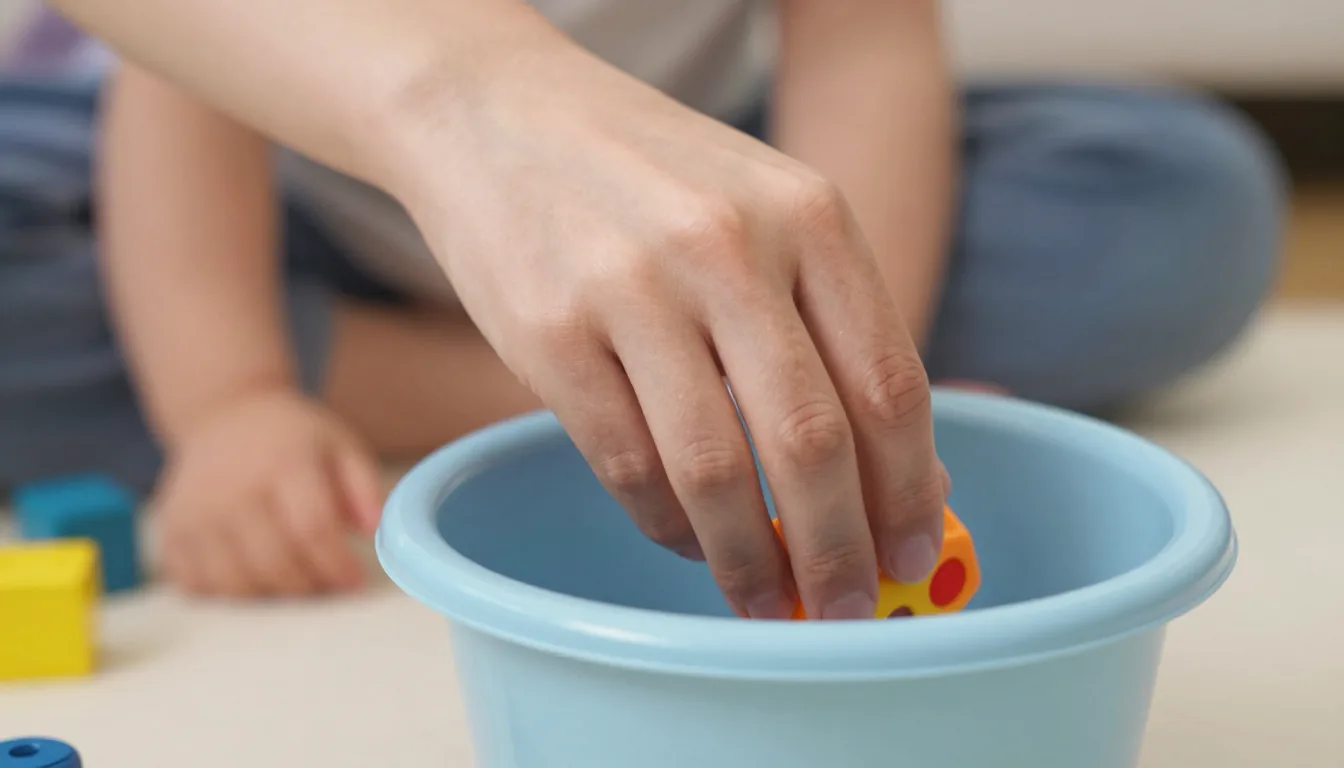
Stop Saying Phrases That Sabotage Connection
Before we get into the list, remember: you're not a bad parent for using these phrases. We all default to what we heard growing up.
But by choosing different words, you teach emotional intelligence and problem-solving skills—and by consciously replacing stop saying phrases with empowering ones, you build a foundation of trust and respect.
1. “Stop Crying”
This phrase dismisses your child's feelings and teaches them to suppress emotions. Instead, validate the emotion first.
Try: “I see you're upset. It's okay to cry.
I'm here when you're ready to talk.” That builds trust and emotional regulation.
Science backs this: when kids feel heard, their brains calm down faster. You’re not giving in; you’re teaching them that feelings are safe.
2. “Because I Said So”
This power play shuts down curiosity and breeds resentment. Kids need to understand the “why” to internalize rules, so swap it for a reason like “I need you to put your shoes away so no one trips.” That respects their intelligence.
You can even turn it into a conversation: “What do you think might happen if we leave toys on the stairs?” That engages their problem-solving skills.
3. “Good Job!”
Sounds harmless, right? But constant praise can make kids dependent on external validation.
Instead, be specific. For example, say: “I noticed you worked really hard on that puzzle.
You kept trying even when it was tough.” This fosters a growth mindset.
Praise the effort, not the outcome. Carol Dweck's research on fixed vs.
growth mindset shows this simple shift boosts resilience.
4. “You’re Okay”
When a child falls or gets upset, using stop saying phrases like 'You're okay' invalidates their pain and teaches them to ignore their own feelings. Instead, try a validating response like “That was a big fall.
Are you hurt? Let's check,” then help them assess.
If they're fine, they'll realize it on their own.
This teaches body awareness and self-compassion. You’re not coddling; you’re coaching.
5. “Big Girls/Boys Don’t Cry”
This reinforces toxic gender stereotypes and shames emotions. All humans cry, so it's better to normalize emotion.
Say something like, “It's okay to be sad. Crying helps us feel better.
What would help right now?”
Role-modeling healthy crying is one of the best gifts you can give. Let them see you tear up during a movie—it’s real.
6. “Wait Until Your Father/Mother Gets Home”
Using stop saying phrases like 'Wait until your father/mother gets home' undermines your authority and creates fear-based obedience. Address behavior in the moment: “I'm really frustrated right now.
We'll talk about this after dinner when we've all calmed down.” Then follow through together as a team.
Consistent, immediate consequences are more effective than delayed threats. It also avoids making one parent the “bad cop.”
7. “You’re So [Negative Label]”
Labels like “lazy,” “clumsy,” or “naughty” become self-fulfilling prophecies. Instead, name the behavior and offer a path forward: “It looks like you're having trouble focusing.
Let's take a break and try again.” Separate the child from the action.
For example, instead of “You’re so messy,” say “The toys need to go back in the bin. Can you start with the red ones?” It’s more respectful and effective.
8. “I’m Disappointed in You”
This phrase can feel like a withdrawal of love. Kids often internalize it as “I am bad.” Instead, try a response like, “I'm feeling disappointed about what happened.
I know you can make a better choice next time,” which focuses on the behavior and your faith in them.
Research in attachment theory shows that children thrive when they feel unconditionally accepted, even when they mess up. You can be upset without making them feel like a failure.
For more Parenting & Family tips on replacing stop saying phrases, explore our other articles on building strong family bonds and effective communication. These strategies are part of a broader positive parenting approach.
Looking for deeper insights? Check out Zero to Three for expert advice on early childhood development, or Psychology Today for science-backed parenting strategies. And if you’re curious about the power of praise, read Carol Dweck’s work on Mindset Works.