
Why Resilient Kid Parenting Matters More Than a Perfect Score
We all want our kids to thrive, but resilient kid parenting isn’t about shielding them from every bump. It’s about teaching them to get back up. Psychologists call it “mastery motivation”—the drive to overcome challenges, not avoid them.
The irony? Overprotective parenting actually weakens grit.
When you swoop in to solve every problem, your kid never learns they can handle struggle. So how do we foster toughness without becoming a helicopter?
Let’s break it down.
Let Them Fail (On Purpose)
Age-Appropriate Risks Build Confidence
Start small. Let your toddler struggle with zippers.
Let your grade-schooler forget their lunch—once. These low-stakes failures teach problem-solving faster than any pep talk.
This is a core principle of resilient kid parenting.
Research from the American Psychological Association shows that kids allowed to fail develop better emotional regulation. The key is to debrief after: “What could you try differently next time?”
Don’t Rescue, Coach
Instead of solving their frustration, ask: “What’s one step you could take?” This shifts from rescuer to coach. Avoid phrases like “I knew you’d mess up”—keep it curious.
Your calm presence during their struggle teaches self-efficacy.
For teens, step back even more. Let them plan their own study schedule, even if it means a late night.
The natural consequence—tiredness—teaches better than any lecture.
Praise Effort, Not Outcomes
The Growth Mindset Hack
Carol Dweck’s research is gold here. Instead of “You’re so smart,” say “I love how you kept trying that puzzle.” This wires kids to value effort over innate talent.
Resilient kid parenting emphasizes effort over innate talent.
But avoid empty praise. Be specific: “You used math to figure out the tip—nice work!” Kids can smell fake encouragement a mile away.
Reframe Mistakes as Data
When your kid bombs a test, don’t say “It’s okay.” Instead treat it like a scientist: “What can this tell us about your study habits?” This builds metacognition—thinking about thinking—which is a core resilience skill.
One study from Harvard Business Review found that kids whose parents discussed mistakes as learning opportunities had higher perseverance scores by age ten.
Give Them Unstructured Play Time
Boredom Is a Superpower
Resilience thrives in unstructured space. When kids have to entertain themselves, they invent games, resolve disputes, and test limits—all without adult interference.
Giving children unstructured time is a hallmark of resilient kid parenting.
Try “boredom hours” on weekends. No screens, no schedules.
At first they’ll whine, but soon they’ll build forts, create imaginary worlds, and learn to negotiate with siblings.
Let Them Solve Social Snags
When your child is left out of a game, resist the urge to call the other parent. Instead, ask: “What’s one way you could join in next time?” Sometimes they need coaching, but often they’ll find a creative solution.
The hardest part is staying silent. But every time you let them work it out, you’re building a skill that lasts a lifetime.
Create a Culture of Respectful Risk-Taking
Expose Them to Controlled Danger
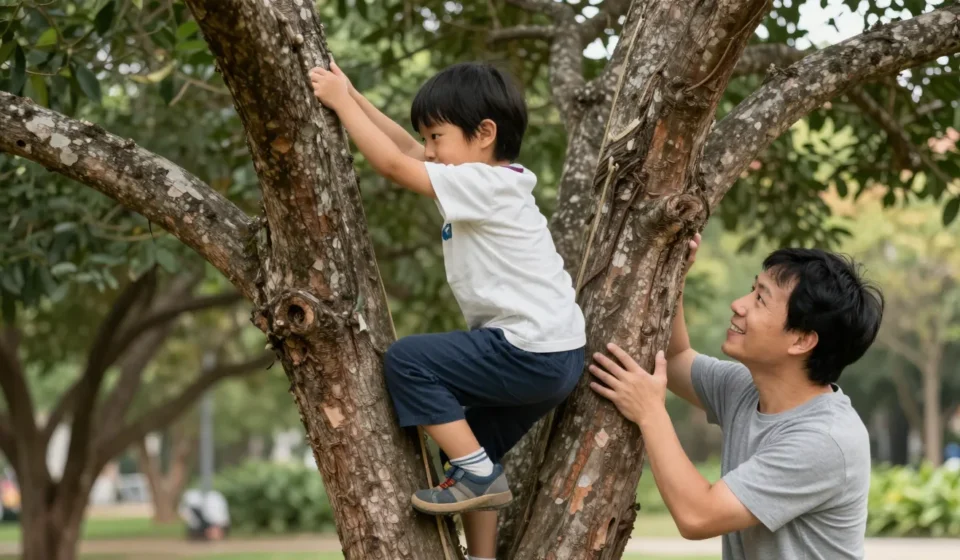
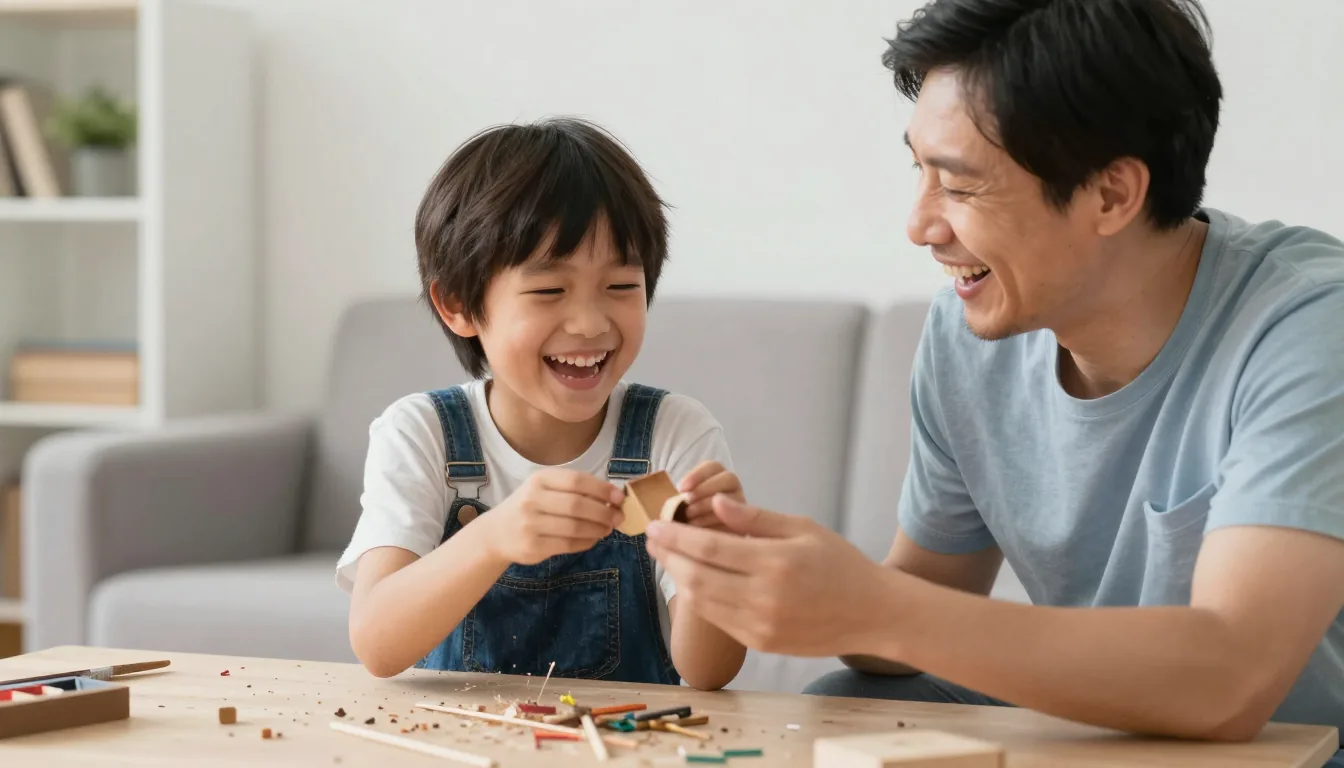
Let kids climb trees, use real tools (with supervision), and bike without training wheels early. Physical risk builds mental risk tolerance.
A kid who falls and gets back up learns that discomfort is temporary.
Check out NPR’s piece on risky play for evidence that scraped knees correlate with lower anxiety later.
Model Your Own Bumps
Kids watch how you handle failure. Talk about a mistake you made at work and what you learned.
Show them that adults also struggle—and recover. This normalizes resilience as a lifelong practice.
Even saying “I’m frustrated, but I’ll try again” out loud teaches emotional vocabulary. Your vulnerability gives them permission to be imperfect.
Set Boundaries Without Controlling
Offer Choices Within Limits
Helicopter parents often micromanage details. Instead give two options: “You can do homework before dinner or after, but it needs to be done by 8 p.m.” This teaches autonomy while maintaining structure.
Such choices are part of resilient kid parenting.
The goal is to shift from “I require this” to “You choose how to meet this requirement.” That small tweak builds ownership and problem-solving.
For more on Parenting & Family strategies, check our guide on balancing involvement and independence.
The Bottom Line: Be a Safety Net, Not a Glass Dome
Resilient kid parenting isn’t about perfection. It’s about being present when they fall, not preventing the fall.
Kids who know you have their back—but won’t catch them every time—grow into adults who can handle life’s punches.
So next time your kid struggles, bite your tongue. Wait three seconds.
Ask a question instead of offering a solution. That pause is where resilience is born.
Remember, resilient kid parenting is a journey, not a destination. Every small step builds their grit and your trust in them.