

Sleep Training Methods: The Real Story
Sleep training methods often get a bad rap, but the goal isn't to abandon your baby—it's to teach independent sleep skills. Every family's situation is different, and what works for one might fail for another.
Let's cut through the noise and look at five popular approaches with real evidence behind them.
The key is finding a method that aligns with your parenting style and your baby’s temperament. No single technique is guaranteed, but understanding the pros and cons can help you make an informed choice.
Ferber Method: Graduated Extinction
Developed by Dr. Richard Ferber, this method involves putting your baby down drowsy but awake and then checking in at progressively longer intervals.
For example, you might wait 3 minutes, then 5, then 10 before offering brief reassurance.
Pros: Research shows it’s effective within days for many families. It teaches self-soothing without total abandonment. Many parents report improved sleep for everyone.
Cons: Can be emotionally tough to hear crying, even for short bursts. Not recommended before 4-6 months. Some babies get more worked up by brief checks.
Evidence: Among sleep training methods, Ferber is one of the most researched. A 2016 study in Pediatrics found graduated extinction improved infant sleep without negative long-term effects on attachment or behaviour.
No-Cry Method: Gentle Sleep Coaching
Popularized by Elizabeth Pantley, the no-cry approach avoids any extended crying. It relies on gradual changes like fading out rocking, using white noise, and responding immediately to cues.
Pros: Very low stress for parents and baby. Builds trust and responsive care. Works well for sensitive infants.
Cons: Takes weeks to months, requires incredible patience. Often involves frequent wake-ups for longer. May not suit parents needing faster results.
Evidence: For parents who prefer gentle sleep training methods, this approach has limited formal studies, but a 2019 review in Sleep Foundation notes gentle methods have no adverse effects and support bonding.
Chair Method: Gradual Withdrawal
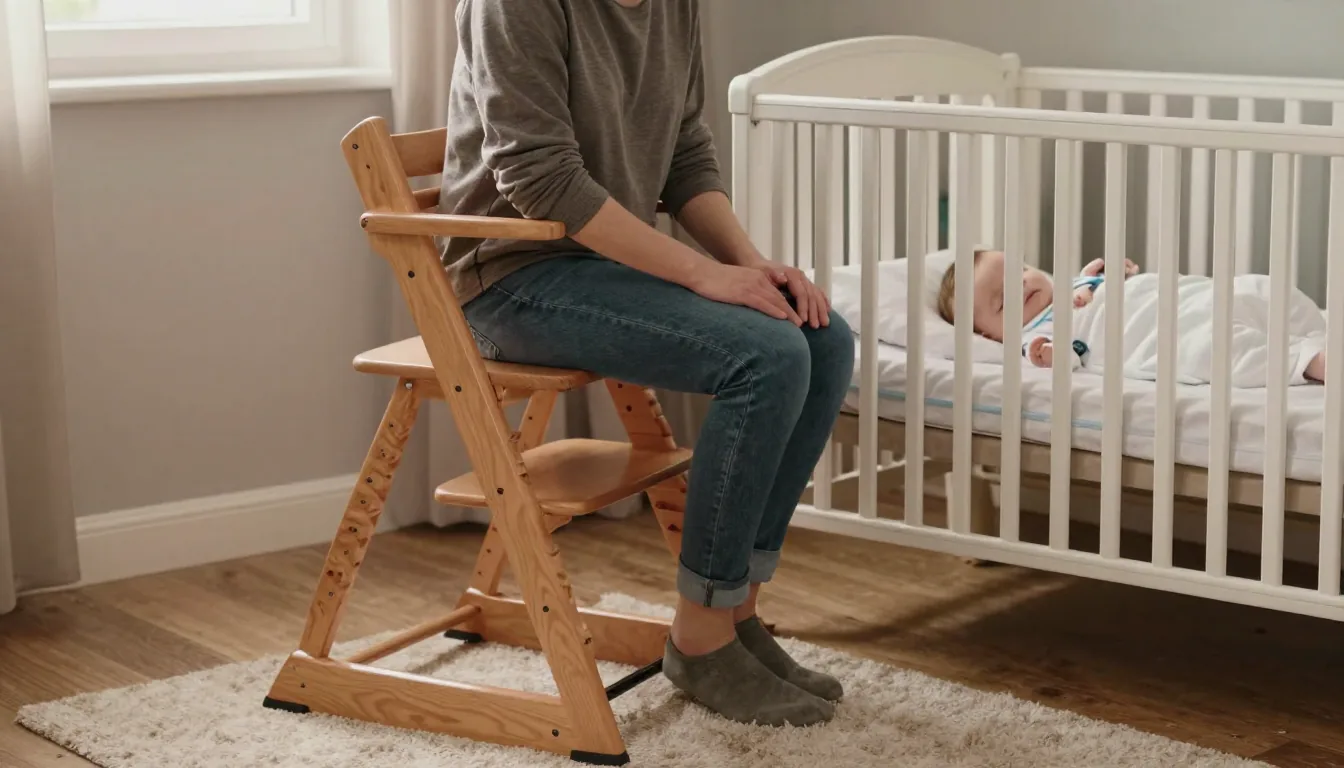
You sit in a chair next to the crib each night, moving farther away over several days or weeks until you’re out of the room. You offer verbal reassurance but avoid picking up.
Pros: Less crying than Ferber, gradual separation eases anxiety. You’re present the whole time, which feels secure.
Cons: Can be very slow (2-3 weeks). The baby may still cry because you’re not holding them. Requires consistent effort every night.
Evidence: The chair method is one of the sleep training methods that involves gradual withdrawal. A 2020 study in Journal of Clinical Sleep Medicine showed improved sleep onset and reduced night waking over two weeks.
Pick-Up-Put-Down
When your baby cries, you pick them up until calm, then put them back down. Repeat until they fall asleep.
This method is heavily hands-on and time-intensive.
Pros: No prolonged crying; responsive to baby’s cues. Works well for newborns and younger infants. Builds trust through physical comfort.
Cons: Physically exhausting for parents. Can take many repetitions (up to 50 in one session). May create dependency on being held to sleep.
Evidence: Anecdotal success is high, but research is sparse. A 2018 survey by the Sleep Training Association found 60% of parents saw improvement within two weeks, though dropout rates were high.
Fading Method: Timed Checks
You gradually reduce your presence and intervention over nights. You might pat or shush for a few minutes, then stop, and slowly do less each night until you’re just in the room, then gone.
Pros: Flexible and gentle; you adjust based on baby’s responses. Less crying than extinction methods. Works for older babies and toddlers.
Cons: This can be inconsistent if you’re not strict about fading. Some babies don’t respond well to partial attention—they want full soothing or none.
Evidence: A 2017 meta-analysis in PubMed categorized fading as effective with minimal distress compared to cry-it-out.
Which One Is Best for Your Family?
There's no one-size-fits-all answer. The best sleep training methods are ones you can stick with consistently.
Consider your baby's age, temperament, and your own tolerance for crying, and talk to your pediatrician before starting.
Remember, sleep training is temporary. Within weeks, your baby learns to self-soothe, and everyone gets more rest. If a method feels wrong, trust your gut—there are many options, so check out our Parenting & Family archive for more insights.