

Parenting Styles Outcomes: What Decades of Research Tell Us
Raise your hand if you’ve ever wondered about the parenting styles outcomes you’re creating for your kids. Good, because I’ve been there too. Parenting isn’t about being perfect—it’s about being aware.
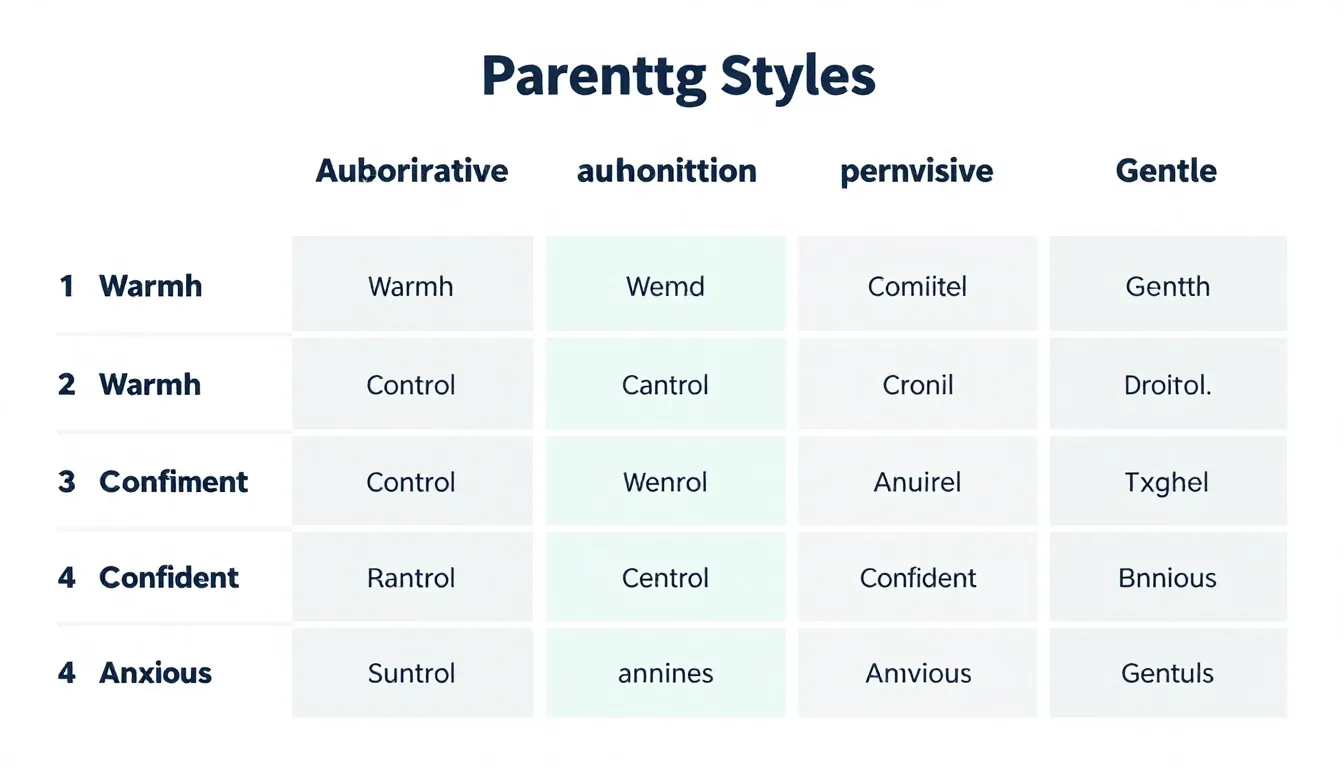
Psychologists have studied four classic styles (authoritative, authoritarian, permissive, uninvolved) plus the newer gentle parenting. The results are fascinating and directly impact your child's future.
Decades of research, starting with Diana Baumrind's studies in the 1960s, have linked these styles to specific outcomes.
Authoritative Parenting: The Sweet Spot
This style balances high expectations with tons of warmth. Think: clear rules explained with empathy.
Kids get why bedtime is non-negotiable but also feel heard when they complain.
Long-Term Effects on Kids
Children raised authoritatively tend to be confident and socially skilled. They also show strong academic motivation and self-reliance.
Research links this style to lower rates of anxiety and depression, a truly positive outcome.
Academic achievement is often higher as well, because kids internalize discipline. This balanced approach fosters both independence and cooperation, preparing them for school and relationships.
Authoritarian Parenting: High Demand, Low Warmth
Authoritarian parents demand obedience without explanation. “Because I said so” is the motto.
Rules are rigid, and mistakes often lead to punishment rather than teaching. This approach can suppress a child's individuality.
Long-Term Effects on Kids
Kids become obedient but often anxious or resentful. They may excel in structured environments but struggle with creativity and self-esteem.
As adults, some rebel while others remain overly compliant. These parenting styles outcomes show the cost of excessive control.
Permissive Parenting: Warm but Structure-Free
Permissive parents are warm and indulgent but set few limits. They avoid confrontation, so kids rarely hear “no.” It feels nice in the moment, but it backfires by not teaching boundaries.
Long-Term Effects on Kids
Children often struggle with self-control and entitlement. They may have trouble following rules at school or in relationships.
A 2019 study linked permissive parenting to higher rates of substance use in teens, highlighting risky outcomes.
Uninvolved Parenting: The Hands-Off Approach
Uninvolved parents provide basic needs but little emotional support. They're often overwhelmed by their own lives, leaving kids to fend for themselves.
This style is the least common but most damaging for child development.
Long-Term Effects on Kids
Kids face the highest risks: poor academic performance and low self-esteem. They may also develop attachment issues and struggle with emotional regulation.
Early intervention can help, but the scars are real and long-lasting.
Even small improvements, like asking about their day, can make a difference. Consistency and small doses of warmth can shift outcomes over time.
Gentle Parenting: The Modern Twist
Gentle parenting emphasizes connection over correction. It's about understanding the “why” behind behavior.
Respond with empathy, not punishment. Think of it as authoritative with extra patience and emotional validation.
Long-Term Effects on Kids
Early evidence suggests kids become emotionally intelligent and secure. However, without clear boundaries, it can slide into permissiveness.
The key is maintaining limits while validating feelings, much like authoritative parenting.
Research also shows that consistency matters more than perfection. Even if you lean permissive, adding small doses of structure can improve outcomes.
The goal is to adapt over time, not to be rigid.
Picking Your Parenting Path
No parent is 100% one style—we all mix things up. But understanding these parenting styles outcomes helps you make conscious choices that benefit your child’s future. For more on Parenting & Family, check out our other guides.
Remember: you're doing better than you think. Combine warmth with structure for the best results.
Your child's long-term development depends on the balance you strike between nurture and guidance.
External references: American Psychological Association and Child Mind Institute.