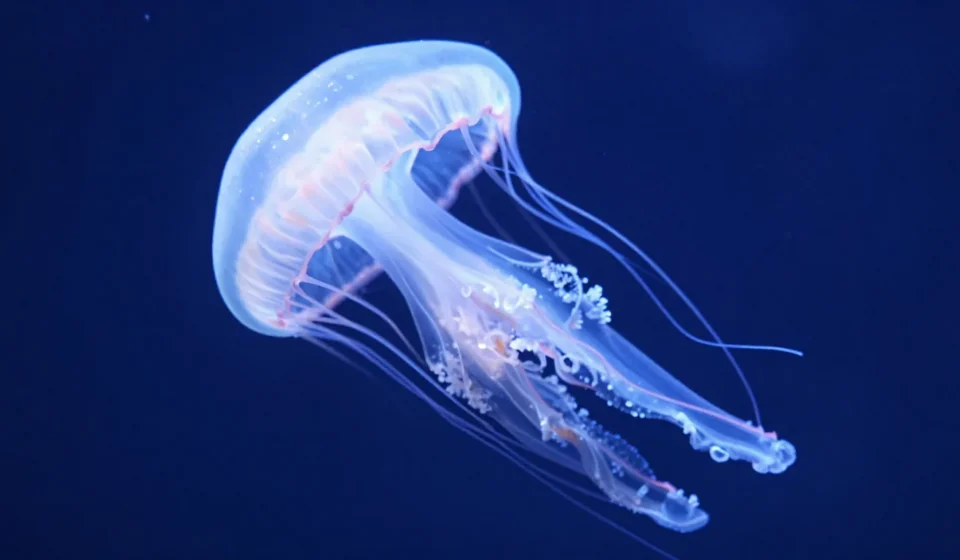

The Tiny Creature That Cheats Death
Imagine a creature that can turn back its biological clock, escaping death entirely. That creature is real—it’s called Turritopsis dohrnii, better known as the immortal jellyfish. This millimeter-wide marvel has captivated scientists because, under stress, it reverts to its juvenile polyp stage and starts life anew.
Most jellyfish live for months, but Turritopsis can theoretically live forever. Its secret lies in a process called transdifferentiation, where mature cells transform into younger cell types.
This article explores how this works and what it means for aging science, and how researchers are harnessing these mechanisms for human health.
What Makes the Immortal Jellyfish Special?
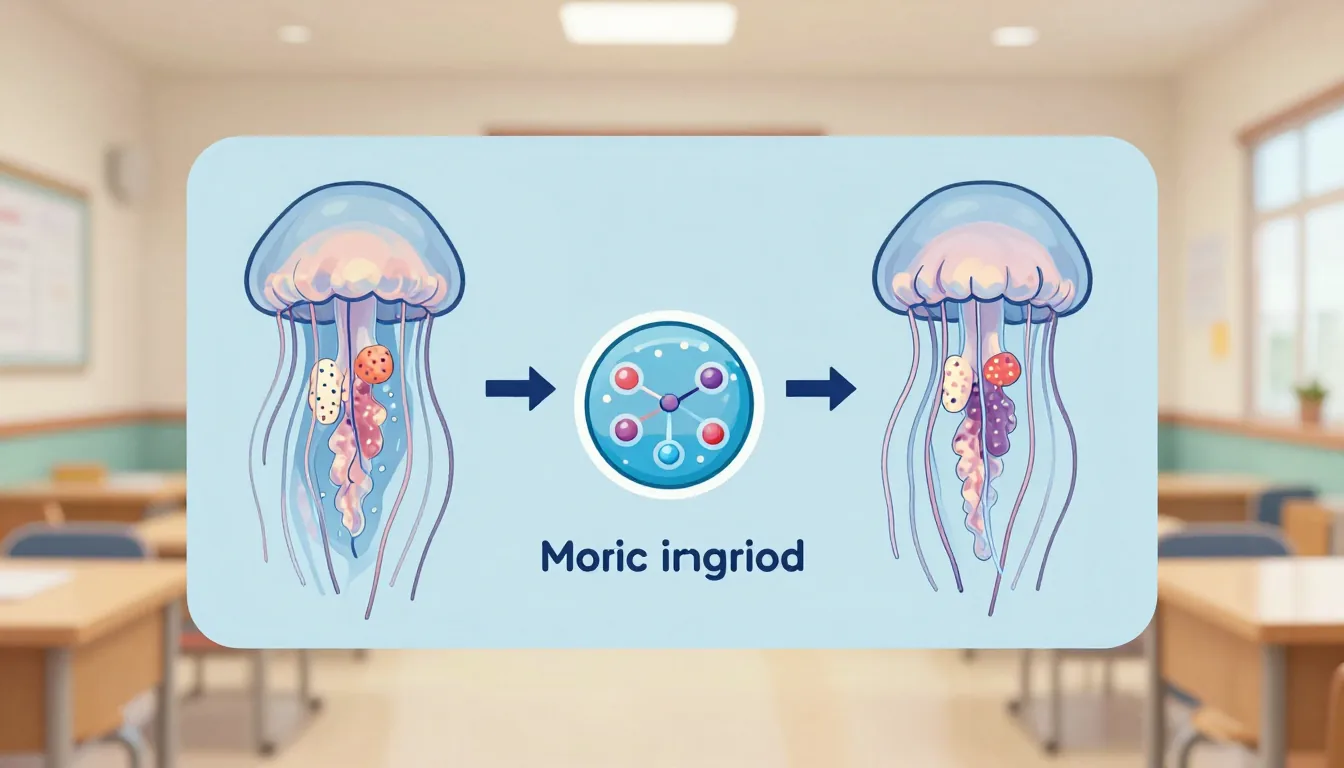
Unlike any other known animal, Turritopsis dohrnii can cycle between life stages indefinitely. When injured, starved, or facing harsh temperatures, it shrinks into a cyst-like blob and later emerges as a tiny polyp—its earliest form.
This reversal isn't just growth on pause; it's a full reset. The jellyfish's cells undergo dedifferentiation, losing their specialized identity and becoming stem cells again.
These stem cells then build a brand new body, erasing the signs of aging.
The Phenomenon of Cellular Reversal
Transdifferentiation is the key. In most animals, cells are locked into their roles—a nerve cell stays a nerve cell.
But in this jellyfish, a nerve cell can become a muscle cell or a skin cell under duress.
Scientists observed that during stress, the jellyfish's cells activate genes that halt their current identity. They break down their own structures and rebuild into younger forms.
It's like a LEGO tower that disassembles into bricks and then reassembles into a different shape.
4 Secrets of Biological Immortality
So how does this tiny creature teach us about aging? Here are four fascinating secrets revealed by the immortal jellyfish. Each secret highlights a different aspect of cellular regeneration.
- 1. Stem cell reactivation: The jellyfish keeps a pool of dormant stem cells ready to rebuild. In humans, stem cells dwindle with age—imagine if we could reactivate them like Turritopsis does.
- 2. Telomere protection: Telomeres—the caps on DNA ends—shorten with age. The immortal jellyfish can lengthen its telomeres, preventing cellular aging.
- 3. Apoptosis evasion: Programmed cell death (apoptosis) normally clears damaged cells. This jellyfish can pause apoptosis, allowing damaged cells to revert instead of die.
- 4. Environmental sensing: The trigger for reversal is stress. The jellyfish’s cells have sensors that detect danger and activate the regeneration program. Humans lack such a coordinated response.
The study of Turritopsis dohrnii has exploded since its discovery in the Mediterranean Sea in the 1880s, but its immortality was only confirmed in the 1990s. Since then, scientists have sequenced its genome to identify the genes responsible for its remarkable abilities.
This research is paving the way for potential applications in regenerative medicine.
Implications for Human Longevity
Understanding these mechanisms could inspire therapies for age-related diseases. For instance, reactivating dormant stem cells might repair damaged tissues.
Protecting telomeres could slow down cellular aging.
Researchers are also exploring how to mimic the jellyfish's stress-detection system. If we can trigger similar regeneration in humans, we might heal injuries more effectively.
However, human cells are far more complex, so translating these findings will take time. Studying the immortal jellyfish reveals how stem cells can be reactivated.
Despite the challenges, the immortal jellyfish remains a beacon of hope. Its existence proves that biological immortality is possible, at least in principle.
Each new study brings us closer to unlocking the secrets of regeneration.
The immortal jellyfish continues to inspire scientists and the public alike. Its ability to reverse aging serves as a powerful reminder that nature still holds many surprises.
As we decode its biology, we may one day apply these lessons to extend our own lifespans.
To dive deeper into other mind-expanding topics, explore our Popular Science & Space section. For more, check out National Geographic’s feature or the original research in Nature Communications.