Top 10 Energy Efficiency Upgrades for Older Homes – Save Money and the Planet

Why Focus on Energy Efficiency Upgrades for Older Homes
Older homes often lack modern insulation, leaky windows, and inefficient heating systems. Prioritizing energy efficiency upgrades can slash utility bills and reduce your carbon footprint.
Here are the top 10 retrofits with realistic ROI estimates. Investing in these energy efficiency upgrades not only saves money but also enhances comfort and home value.
These upgrades are proven to deliver results.
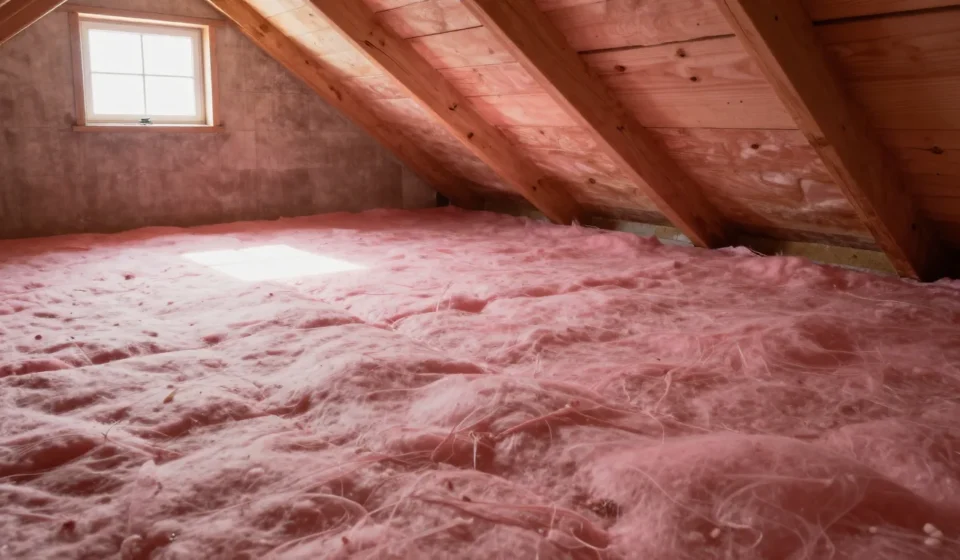
1. Attic Insulation: The Low-Hanging Fruit
Adding attic insulation is one of the most cost-effective upgrades. It can reduce heating and cooling costs by 10–50% depending on existing levels.
Professional installation costs between $1,500 and $3,500.
ROI: typically 100% within 5 years through energy savings. Proper insulation also helps maintain consistent temperatures year-round.
Blown-in vs. Batt Insulation
Blown-in cellulose or fiberglass works best for irregular spaces. Batt insulation is cheaper but requires precise fitting.
Both offer solid returns.
2. Air Sealing: Stop the Drafts
Caulking and weatherstripping around windows, doors, and ducts prevents conditioned air from escaping. This simple fix can save up to 20% on energy bills.
ROI is less than one year in many cases. Professional sealing costs $400–$1,000.
Air sealing is a fundamental measure that complements insulation. It also improves indoor air quality by reducing dust and allergens.
3. Programmable or Smart Thermostats
Installing a smart thermostat optimizes heating and cooling schedules. It can reduce energy use by 10–15% annually.
ROI is around 2 years with typical savings of $100–$150 per year. Costs range from $100 to $250.
This affordable upgrade pays for itself quickly. Many models also learn your habits and adjust automatically.
4. LED Lighting: Instant Savings
Switching to LED bulbs uses 75% less energy and lasts 25 times longer than incandescents. For a typical home, this upgrade saves $100–$200 per year.
ROI is immediate from bulb lifespan. Bulbs cost as little as $2 each.
This simple upgrade costs little and provides immediate savings. LEDs are available in various color temperatures to match any room.
5. Energy-Efficient Windows
Replacing single-pane windows with double- or triple-pane low-E glass cuts heat loss by 25–30%. ROI: 70–80% recouped on resale, plus annual energy savings of $200–$600.
This upgrade also reduces noise and UV damage. New windows cost $500–$1,000 each installed.
Consider window films or storm windows as a lower-cost alternative for historic homes.
6. Water Heater Upgrade
Tankless or heat pump water heaters are 30–50% more efficient than conventional tanks. Annual savings of $100–$300.
ROI is 3–5 years depending on usage. Installation can cost $1,000–$2,000.
This upgrade can be combined with solar for even greater savings. Some models qualify for federal tax credits.
7. Duct Sealing and Insulation
Leaky ducts can waste 20–30% of heating and cooling energy. Sealing and insulating ducts in attics or crawlspaces improves efficiency.
ROI is 2–3 years with typical savings of $100–$200 annually. Sealing costs $300–$500.
Duct sealing is a must-do upgrade in forced-air systems. It also helps balance temperatures throughout the home.
8. Energy Star Appliances
Replacing old refrigerators, dishwashers, or washing machines with Energy Star models reduces electricity and water use. Savings vary but average $100–$200 per appliance per year.
ROI is 3–5 years, and these upgrades also qualify for rebates. Replacing a fridge costs $800–$2,000.
Look for the Energy Star label when shopping. Many utilities offer instant discounts on eligible models.
9. Solar Attic Fan
A solar-powered attic fan reduces attic temperatures, lowering cooling loads. It costs $200–$500 and can save $50–$100 per year in cooling.
ROI is 5–10 years but extends roof life. Costs $200–$500.
It’s a niche upgrade effective in hot climates. Installation is straightforward with no wiring required.
10. Whole-House Energy Audit
Start with a professional audit to identify priority upgrades. Many utilities offer free or discounted audits.
A thorough audit will highlight the most effective retrofits for your home. Audits cost $200–$500 but may be free through utility programs.
ROI from actionable insights pays for itself within the first year of improvements. Audits often include blower door tests and thermal imaging.
Implementing these energy efficiency upgrades can transform an older home into a comfortable, low-energy dwelling. Remember to check local incentives and tax credits to offset costs.
Federal tax credits cover up to 10% of costs for many upgrades.
For more on sustainable living, explore our Sustainability & Ecology archive. Learn about tax credits and rebates at Energy.gov and Energy Star.