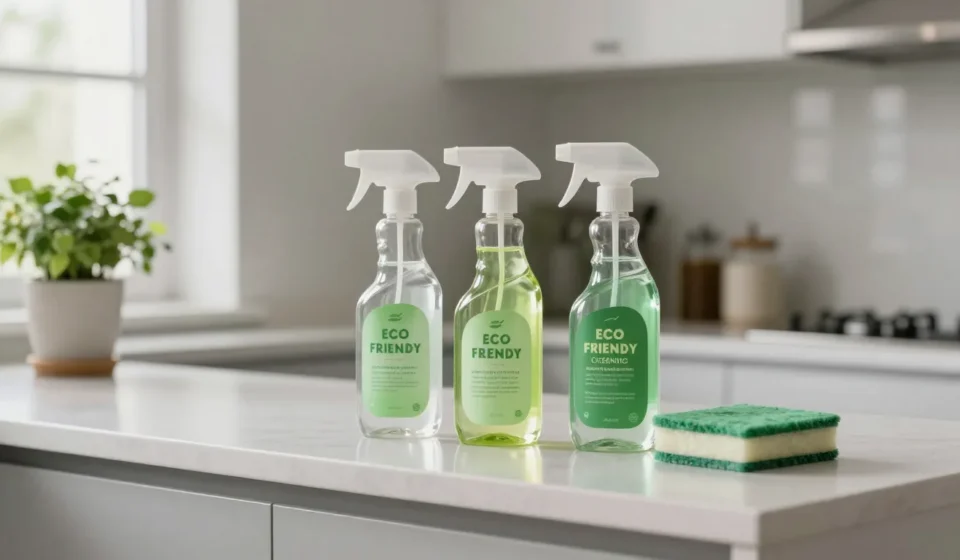

Why Eco-Friendly Cleaning Products Matter
Many conventional cleaners contain harsh chemicals that can irritate skin, pollute indoor air, and harm aquatic life when washed down the drain. Switching to eco-friendly cleaning products reduces your exposure to toxins and lessens your environmental footprint. But not all products marketed as “green” are truly safe or effective.
This guide will help you cut through the noise, read labels critically, and find cleaners that actually work without compromising your health or the planet. Making informed choices about green cleaners is a key step toward a sustainable home.
How to Read Cleaning Product Labels for Truly Green Options
Labels can be misleading. Terms like "natural" and "non-toxic" are not regulated, so manufacturers can use them loosely.
Look beyond the front of the bottle and check the ingredient list.
When evaluating eco-friendly products, focus on third-party certifications.
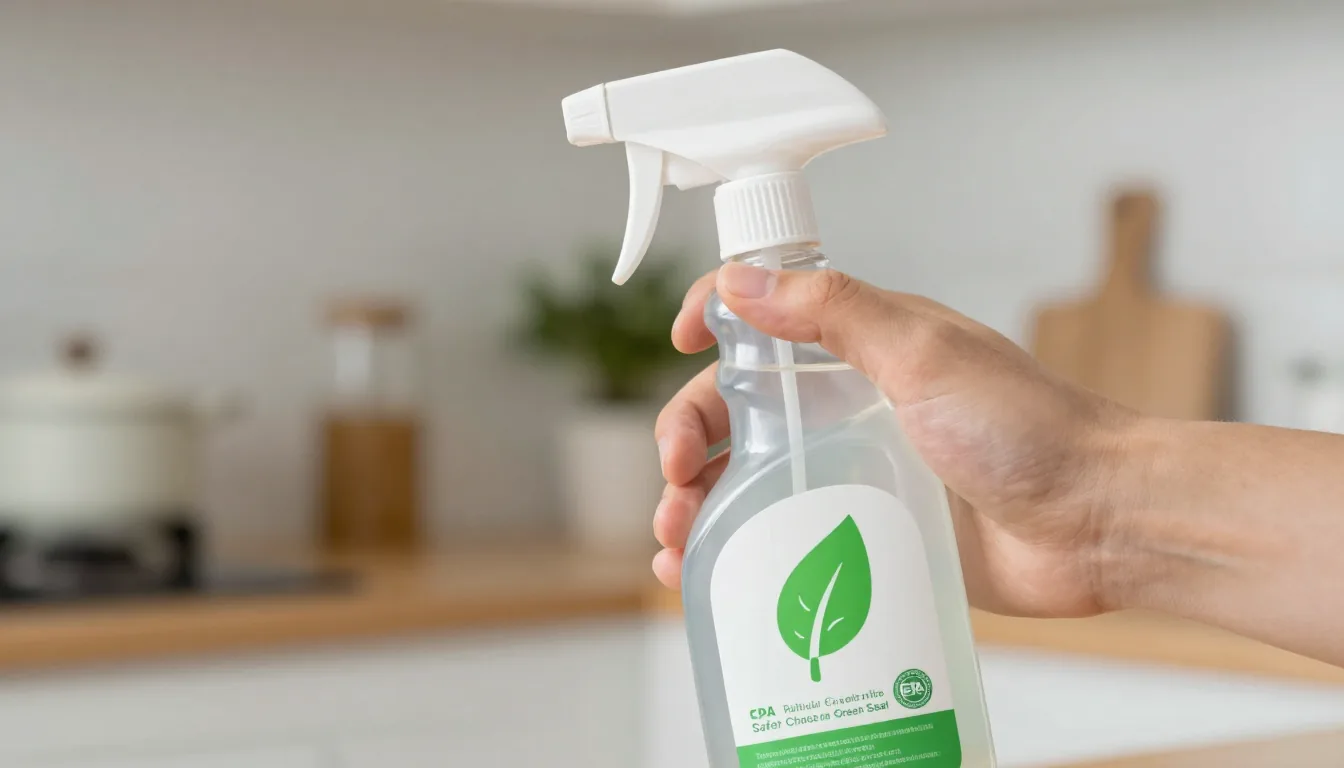
Ingredients are usually listed in descending order by weight. Water is often first, followed by surfactants, solvents, fragrances, and preservatives.
If a label hides ingredients behind terms like "proprietary blend" or "fragrance," it's a red flag.
Greenwashing Tactics to Watch For
Greenwashing is when a company exaggerates or lies about its environmental claims. Common tactics include using fake certifications, vague buzzwords, or irrelevant images of leaves and trees.
Be skeptical of any product that claims to be "100% chemical-free"—everything is a chemical, including water.
Instead, look for third-party certifications that have clear, transparent standards. The most reliable ones are listed below.
Trustworthy green cleaners will proudly display these seals.
Key Certifications for Eco-Friendly Cleaners
Certifications help you spot products that meet rigorous environmental and health criteria. The most trusted labels include:
- EPA Safer Choice – Ensures ingredients are safer for human health and the environment, without sacrificing performance. Visit their site for a list of certified products: EPA Safer Choice.
- Green Seal – Verifies that a product reduces toxicity, wastes less packaging, and meets strict performance standards. Green Seal offers a searchable database.
- Leaping Bunny – Confirms no animal testing was used in any stage of product development.
- USDA Certified Biobased – Indicates the product contains a certain percentage of renewable biological ingredients.
Products with these seals are much more likely to be genuinely eco-friendly. Avoid certifications that are self-created or have no publicly available standards.
When shopping for green cleaning products, always check for at least one of these seals.
Ingredients to Avoid in Cleaning Products
Even some products labeled “green” contain problematic ingredients. Steer clear of:
- Phthalates – Often hidden under “fragrance,” they are linked to hormone disruption.
- Quaternary ammonium compounds (quats) – Antibacterial agents that contribute to antibiotic resistance and can irritate lungs.
- 2-Butoxyethanol – A solvent that can cause blood and liver issues with repeated exposure.
- Chlorine bleach – Toxic to aquatic life and can release harmful fumes.
Instead, look for plant-based surfactants (like decyl glucoside), natural preservatives (like citric acid or grapefruit seed extract), and essential oil fragrances if you need scent. Choosing eco-friendly products means avoiding these hazardous chemicals.
Do Eco-Friendly Cleaners Work as Well?
Yes, when formulated correctly. Many green cleaners rely on the cleaning power of plant-based enzymes, vinegar, hydrogen peroxide, or baking soda. For tough jobs like grease or mildew, look for products with citric acid or sodium percarbonate, which are effective without harsh chemicals.
User reviews and independent tests (like those from EWG’s Guide to Healthy Cleaning) can help you gauge real-world performance. Many brands now match or exceed conventional cleaners in independent tests. Effective green cleaning products are widely available.
DIY Alternatives: Simple and Effective
You can also make your own cleaners with pantry staples. All-purpose cleaner: mix 1 part white vinegar with 1 part water, add lemon peels for a fresh scent.
Glass cleaner: 1 cup water, 1 cup rubbing alcohol, 1 tablespoon vinegar. For scrubbing, baking soda paste works wonders.
DIY options are cheap, zero-waste, and let you control every ingredient. However, they may not be as strong for disinfecting—use hydrogen peroxide or castile soap for that.
Homemade solutions are a great complement to store-bought green cleaners.
Start small: replace one or two products at a time. For more sustainable lifestyle tips, explore our Sustainability & Ecology category. With a little effort, you can maintain a sparkling home without the toxic chemicals.