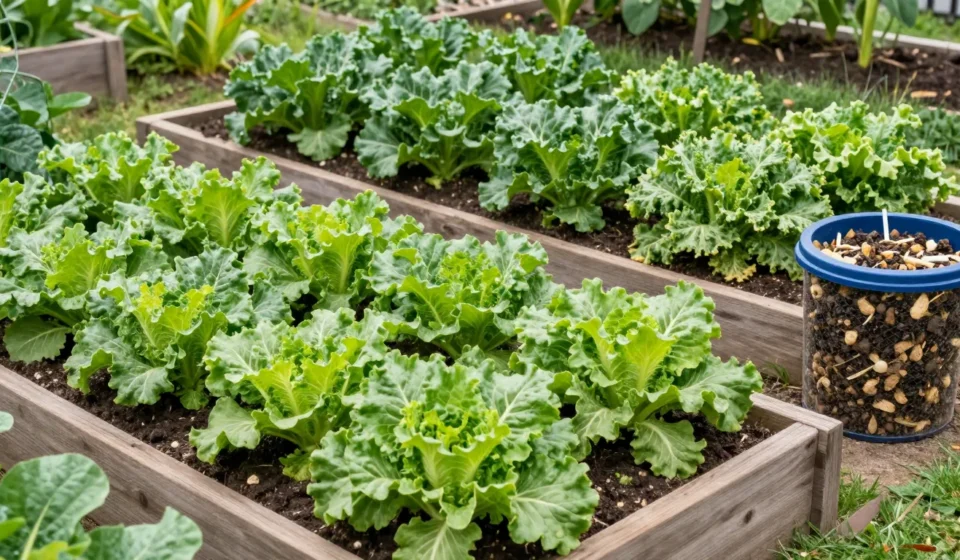

Sustainable Gardening Pitfalls: Soil Preparation Errors
Starting a home garden is rewarding, but many beginners fall into sustainable gardening pitfalls that can derail their efforts. One of the biggest mistakes is skipping soil testing, leading to nutrient imbalances.
Without a test, you might over-fertilize, which harms plants and pollutes runoff. Another common error is tilling too deeply, disrupting soil structure and beneficial organisms.
Instead, start with a simple pH and nutrient test. Amend based on results with organic compost rather than synthetic fertilizers.
Use no-till methods to preserve soil health and reduce carbon release. Healthy soil is the foundation of a productive garden, so investing time here pays off.
2. Watering Missteps That Waste Resources

Overwatering is one of the frequent sustainable gardening pitfalls that drowns roots and encourages disease. Underwatering stresses plants and reduces yields.
Watering at midday causes rapid evaporation, wasting water and promoting fungal issues.
Install drip irrigation or soaker hoses to deliver water directly to roots. Water early morning to minimize evaporation and allow leaves to dry.
Mulch around plants to retain moisture and suppress weeds. This approach not only saves water but also promotes healthier growth.
3. Pest Control Blunders That Harm Beneficial Insects
Reaching for broad-spectrum pesticides is a major sustainable gardening pitfall because it kills both pests and beneficial insects like bees and ladybugs. This disrupts natural pest control and can lead to pesticide resistance.
Ignoring companion planting misses an opportunity to repel pests naturally.
Use targeted controls like neem oil or insecticidal soap only when necessary. Encourage beneficial insects by planting flowers and herbs such as dill, marigold, and basil.
Rotate crops to break pest life cycles. By avoiding this pitfall, you create a balanced ecosystem in your garden.
4. Overlooking Crop Rotation and Diversity
Planting the same crops in the same spot year after year is a common sustainable gardening pitfall that depletes specific nutrients and builds up soilborne diseases. Monoculture also attracts persistent pests that rely on one plant family.
Practice crop rotation by grouping plants into families and moving them annually. Include a variety of vegetables, herbs, and flowers to create a resilient ecosystem.
Interplanting can maximize space and reduce pest pressure. Diversity is key to long-term garden health.
5. Forgetting Seasonal Timing and Hardiness
Planting too early or too late exposes seedlings to frost or heat stress. Ignoring hardiness zones leads to poor growth and wasted effort.
Some gardeners skip succession planting, missing opportunities for continuous harvests. These are subtle sustainable gardening pitfalls that can reduce your yield significantly.
Check your local frost dates and match planting times to your climate. Use row covers or cold frames to extend the season.
Stagger plantings of fast-growing crops like lettuce every two weeks for a steady supply. Proper timing ensures you make the most of your growing season.
6. Neglecting Soil Fertility Maintenance
After planting, many gardeners forget to replenish nutrients, leading to poor plant health. Relying solely on chemical fertilizers is one of many sustainable gardening pitfalls, as it can harm soil life and leach into waterways.
Organic matter breaks down over time and needs to be replaced.
Top-dress with compost or use cover crops to add nitrogen and organic matter. Apply balanced organic fertilizers according to plant needs.
Regularly monitor plant health to catch deficiencies early. Healthy soil equals healthy plants with better yields.
7. Ignoring Local Growing Conditions
Every garden has unique microclimates, sun exposure, and wind patterns. Ignoring these is another of the sustainable gardening pitfalls that leads to poor plant placement and wasted effort.
For example, shade-loving plants in full sun will struggle and require more water.
Observe your garden throughout the day to understand sunlight patterns. Choose plant varieties suited to your specific conditions.
Group plants with similar needs together. By working with your environment, you reduce inputs and increase success.
Avoiding these sustainable gardening pitfalls will help you grow food more efficiently and in harmony with nature. For more eco-friendly tips, explore our Sustainability & Ecology category. Learn more about soil health from Extension.org, water conservation from EPA WaterSense, and companion planting from The Old Farmer’s Almanac.