
The Problem with Bathroom Plastic Waste
Each year, billions of plastic bottles from shampoo, conditioner, and body wash end up in landfills. Your bathroom is a prime source of single-use plastics that take centuries to decompose. Reducing bathroom plastic waste doesn’t require a complete overhaul—just a few strategic swaps.
Start by examining your daily routine. From toothbrushes to shower gels, many items come in unnecessary packaging.
The good news: alternatives are now widely available and often save money over time.
Swap Shampoo Bottles for Bars
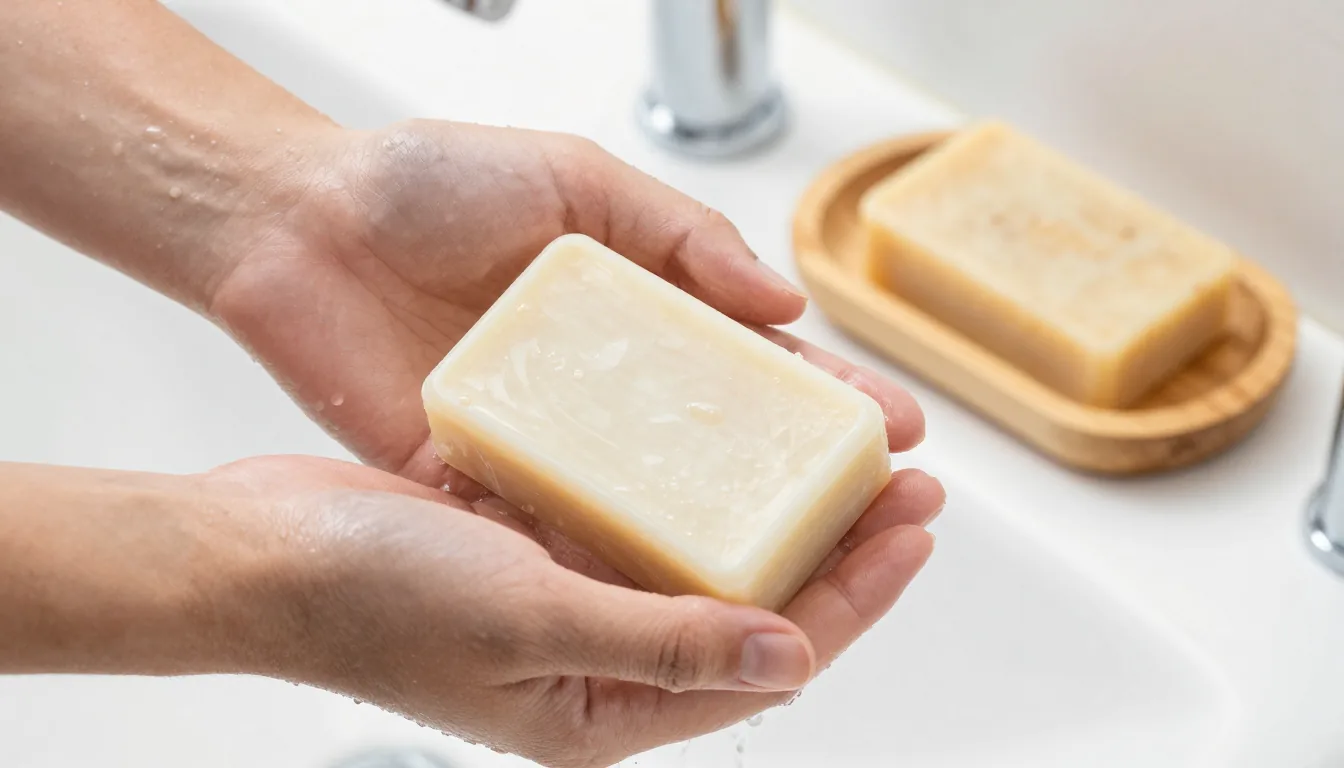
Shampoo bars have evolved far beyond the drying soap bars of the past. Today's formulas rival liquid shampoos in lather and conditioning, minus the plastic bottle.
Many brands offer bars for different hair types—oily, dry, curly—so you won't sacrifice performance.
A single bar typically lasts 60–80 washes, outlasting two to three liquid bottles. Look for bars wrapped in paper or cardboard to keep your routine plastic-free.
Conditioner bars work just as well, and some double as shaving cream.
Refillable Containers
If solid bars aren't your thing, many stores now offer refill stations for liquid soaps and lotions. Bring your own container—preferably glass or aluminum—and fill up exactly what you need.
This cuts packaging waste by up to 90% and often costs less per ounce.
Online, several subscription services deliver concentrated refills in compostable pouches. Just add water at home to reconstitute.
It's a simple way to maintain routine without the guilt of discarded bottles.
For more refill ideas, check out EcoWatch for tips on reducing bathroom plastic waste.
Plastic-Free Dental Care
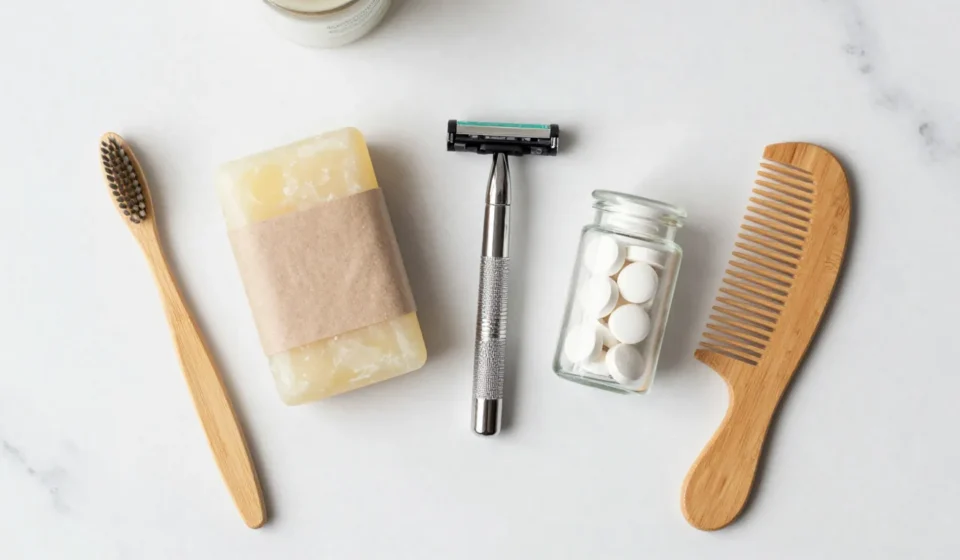
Toothbrushes are a major source of bathroom plastic waste. Switch to bamboo handles—they're compostable after removing bristles (check if your local facility accepts).
For the bristles, some brands use castor oil or recyclable nylon; others offer fully biodegradable options.
Toothpaste tablets in glass jars eliminate tubes entirely. Chew one tablet, brush with a wet toothbrush, and spit.
They often contain fluoride and natural whitening agents, matching conventional paste performance.
Floss can be silk or corn-based, housed in metal dispensers.
Eco-Friendly Hair Care Outside the Shower
Hairbrushes and combs made from bamboo or wood last for years and break down naturally at end of life. Avoid plastic-handled brushes with synthetic bristles; look for natural boar or sisal bristles.
These reduce static and distribute scalp oils better.
Hair ties and clips often shed microplastics. Choose fabric scrunchies made from organic cotton or silk, and metal hair clips without plastic coatings.
They're gentler on hair and won't end up as pollution.
Sustainable Shaving
Disposable razors are among the worst offenders—millions are thrown away annually. A safety razor with replaceable steel blades cuts waste to nearly zero.
The initial investment is modest, and blades cost pennies each.
For women or those shaving larger areas, a straight-edge or cartridge-style safety razor works well.
Shaving soap in a metal tin replaces aerosol cans. Use a brush to lather, which exfoliates and lifts hair for a closer shave.
Post-shave balms in glass jars or solid sticks round out the routine without plastic.
Green Cleaning and Laundry
Toilet cleaners often come in plastic trigger bottles. Switch to toilet bombs or tablets made with citric acid and essential oils, sold in cardboard boxes.
For daily cleaning, reusable microfiber cloths and castile soap concentrate (refillable) handle most surfaces.
Laundry detergent sheets or pods in cardboard are another easy swap. They dissolve completely in water, require no plastic jug, and are lightweight for shipping.
Fabric softener can be replaced with white vinegar and a few drops of essential oil.
For more on cutting bathroom plastic waste, visit the Plastic Pollution Coalition.
Remember, every swap counts. You don't need to change everything overnight.
Start with the items you use most—shampoo, toothpaste, razor—and build from there.
Your bathroom can become a model of sustainability with just a few small shifts. For more tips, explore our Sustainability & Ecology section.