
When you shop for renewable energy or eco-friendly buildings, you encounter terms like RECs, Green-e, and LEED. These green energy certifications are meant to verify sustainability claims, but their meanings and trustworthiness vary. Navigating this landscape requires clarity on what each label truly validates.
Understanding Renewable Energy Certificates (RECs)
RECs represent the environmental attributes of one megawatt-hour of renewable electricity. Buying green power includes the REC, ensuring you own the rights to that clean generation.
Not all RECs are equal. Some come from new renewable projects that add capacity, while others from existing plants may not drive additional decarbonization. Look for RECs certified by Green-e to guarantee additionality and strict criteria.
For businesses, purchasing unbundled RECs is a common way to claim renewable energy use. However, paired RECs with power purchase agreements offer stronger environmental impact.
Always verify the vintage and source of your RECs to avoid double-counting.
Green-e Certification: A Premier Green Energy Certification
Green-e is a voluntary program that audits renewable energy products. It ensures electricity comes from eligible sources like solar or wind and that RECs aren’t double-counted.
When you see the Green-e logo, your purchase supports new projects and meets rigorous standards. This certification is vital for businesses or individuals buying certificates or green power plans.
Green-e also verifies that the renewable energy is delivered to the grid, not merely sold as a paper claim. Their annual reports disclose audits and enforce compliance.
Pairing RECs with Green-e certification strengthens your green energy claims.
LEED: Beyond Energy to Holistic Sustainability
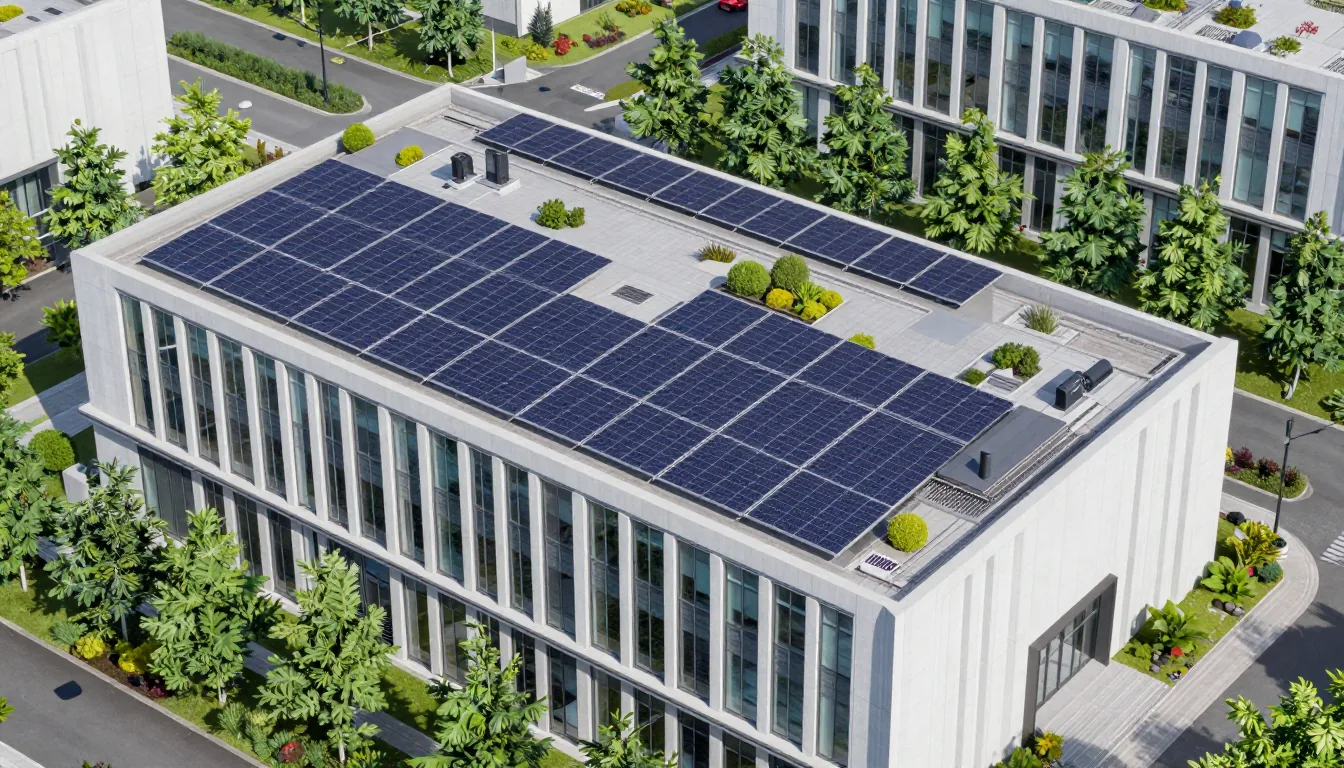
The Leadership in Energy and Environmental Design (LEED) certification evaluates buildings on energy, water, materials, air quality, and location. A LEED building uses less energy and water, but energy is just one factor.
For energy-specific assurance, combine LEED with trusted green energy certifications like Green-e or on-site renewables. LEED even offers a “Green Power” credit for purchasing RECs, linking the systems.
LEED has multiple levels: Certified, Silver, Gold, and Platinum. Each level requires a higher number of points, incentivizing deeper integration of renewable energy and efficient design.
Energy Star: Simple Efficiency for Appliances and Homes
Energy Star is a government-backed label for efficient products and buildings. While not strictly a green energy certification, it reduces demand and emissions.
For consumers, Energy Star appliances cut bills reliably. Businesses can pursue Energy Star for buildings, benchmarking energy use against similar structures.
The program covers over 70 product categories.
Other Notable Labels and Their Limitations
Green Seal certifies cleaning products, and FSC covers wood products. These aren't energy-specific but overlap with green building.
Beware of self-declared labels claiming to be green energy certifications without third-party verification.
BREEAM, originating in the UK, is another building certification that emphasizes energy performance. It uses a similar rating system to LEED but is more common in Europe.
Understanding regional labels is key for global projects.
Always check the certifying body’s standards and accreditation. Combining multiple trustworthy labels strengthens your sustainability strategy and reduces greenwashing risk.
How to Make Informed Choices
Start by identifying your priority: renewable electricity, home efficiency, or building project. For electricity, choose Green-e certified RECs or a green power plan.
Focus on accredited green energy certifications for maximum credibility.
For buildings, aim for LEED or Energy Star. Combine multiple certifications for maximum impact.
No single certification covers everything—use them as tools in a broader strategy.
To dive deeper, explore our Sustainability & Ecology section. For official details, visit the EPA’s Green Power Partnership or the U.S. Green Building Council.
- RECs verify renewable energy use, but ensure they are Green-e certified for additionality.
- Green-e provides robust auditing for renewable energy products.
- LEED covers multiple sustainability aspects, including energy.
- Energy Star focuses on efficiency and is widely available for appliances.
By understanding these green energy certifications, you can avoid greenwashing and support real progress. Use them as a compass, not a destination, on your low-carbon journey.
Remember that no label is perfect—continuous improvement and verification are essential.